
A recent surge of support for lawyer and public figure Abelardo de la Espriella from prominent figures in the Colombian popular music and vallenato industries has sparked significant public debate regarding the intersection of celebrity influence and political campaigning. As the nation prepares for electoral processes, the involvement of artists who have publicly aligned with De la Espriella’s platform has drawn both support from followers and criticism from those questioning the role of entertainment figures in high-stakes political messaging, according to reports from El Tiempo.
The mobilization of these artists, which includes the adaptation of well-known musical themes to promote political messaging, marks a shift in how campaign outreach is conducted in the digital age. While fans of the genre often engage with these artists for their entertainment value, the pivot toward explicit political endorsement has created a divide, with some observers noting that such associations can polarize an artist’s established fan base, as detailed by Semana.
The Intersection of Vallenato and Political Messaging
At the center of the recent controversy is the re-recording of popular songs, most notably versions of the track “Que te coma el tigre,” which have been repurposed to align with De la Espriella’s political objectives. This strategy, which leverages the viral nature of popular music, has been utilized to solidify a base of support in the lead-up to election cycles. The use of established cultural symbols to convey political narratives is a tactic that has been observed in various Latin American campaigns, though its execution in this instance has been particularly noted for its visibility on social media platforms, as reported by Publimetro Colombia.
Critics of this approach argue that the commercialization of political support through popular music risks diluting the substance of the political debate. Conversely, supporters of the artists involved maintain that musicians, like any other citizens, possess the right to express their political preferences openly. The debate remains centered on the influence of “influencer culture” within the music industry and how that influence translates—or fails to translate—into voter behavior, a trend analyzed by regional outlets such as El Pilón.
Public Reactions and the Role of Celebrity Endorsements
The involvement of artists such as Yeison Jiménez and others linked to the campaign has been a focal point for media scrutiny. Specifically, reports concerning the support expressed by family members of these artists for De la Espriella have added a layer of complexity to the narrative. According to Semana, the public declaration of support from figures close to these artists has forced a broader conversation about the boundaries between private political opinion and public brand management.
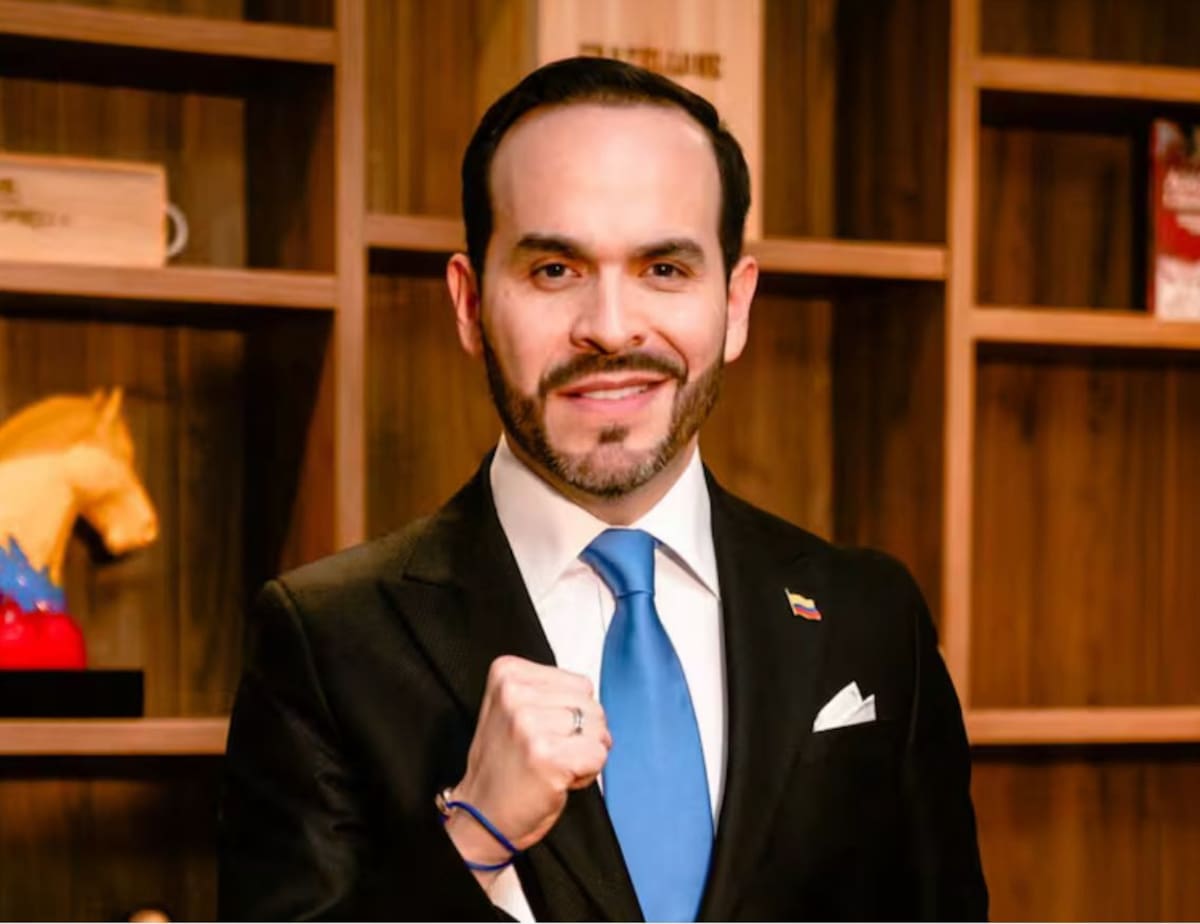
For many followers of the genre, the primary concern remains the authenticity of the message. When an artist transitions from performing at concerts to participating in political rallies or social media campaigns, the reaction from the audience is often mixed. Data from social media engagement metrics suggest that while such endorsements can increase visibility for a political candidate, they also invite intense scrutiny of the artist’s professional integrity. This phenomenon is consistent with broader global trends where artists are increasingly pressured to take public stances on social and political issues, as noted in recent industry analysis.
Understanding the Political Context
The support for Abelardo de la Espriella occurs within a broader, often volatile, political landscape. As a prominent legal figure who has frequently engaged in public discourse, De la Espriella’s platform often emphasizes themes of security, legal reform, and institutional stability. For the artists aligning with him, this represents a choice to support a specific vision of governance that they believe aligns with their personal values or the interests of their communities.

It is important to distinguish between organized campaign efforts and individual expressions of support. While some artists have formally participated in campaign materials, others have expressed their views through personal social media accounts. This distinction is vital for voters attempting to evaluate the extent to which these endorsements are coordinated political strategies versus genuine, individual political alignment. As the election cycle continues, observers expect to see further developments regarding how these endorsements influence polling numbers and public perception of the candidate’s platform.
Next Steps in the Electoral Process
The next major checkpoint for the campaign involves official regulatory filings with the National Electoral Council (CNE) of Colombia, which oversees the transparency of campaign financing and the usage of media in political advertising. Any formal complaints regarding the use of copyrighted music or the nature of these endorsements will likely be handled through these established administrative channels, according to the official guidelines provided by the Consejo Nacional Electoral.

As the campaign progresses, the focus is expected to shift back toward policy debates and the formal presentation of government programs. Readers interested in the official verification of campaign expenditures and the regulatory status of political movements can find ongoing updates through the official portals of the Registraduría Nacional del Estado Civil. We encourage our readers to share their perspectives on the role of cultural figures in politics in the comments section below, ensuring that all discourse remains respectful and grounded in verified reporting.
Related reading