
The Thai government is currently reviewing a contentious proposal to redraw the boundaries of Thap Lan National Park in Nakhon Ratchasima and Prachin Buri provinces, a move that would excise 155,865 rai of land from protected status. This ongoing dispute over Thap Lan land boundaries centers on the overlapping claims between long-term agricultural occupants and state conservation efforts, with the Department of National Parks, Wildlife and Plant Conservation (DNP) facing mounting pressure to reconcile forest protection laws with local habitation rights.
According to the DNP, the proposed adjustment stems from a 2000 cabinet resolution intended to resolve land-use conflicts by utilizing the One Map project—a national initiative aimed at creating a unified land-use database to eliminate discrepancies between different government agencies. While proponents of the boundary adjustment argue it provides security to residents who have occupied the land for decades, environmental advocates express concern that the reclassification could set a precedent for the erosion of protected forest areas across the country.
The Origins of the Overlapping Claims
The conflict over Thap Lan National Park is rooted in historical land-use patterns that predate the formal designation of the park. Established in 1981, Thap Lan is Thailand’s second-largest national park and serves as a critical corridor for wildlife, including endangered tigers and elephants. However, the park’s boundaries were later found to overlap with areas that had been designated for agricultural reform or occupied by local communities under various state-sanctioned programs.
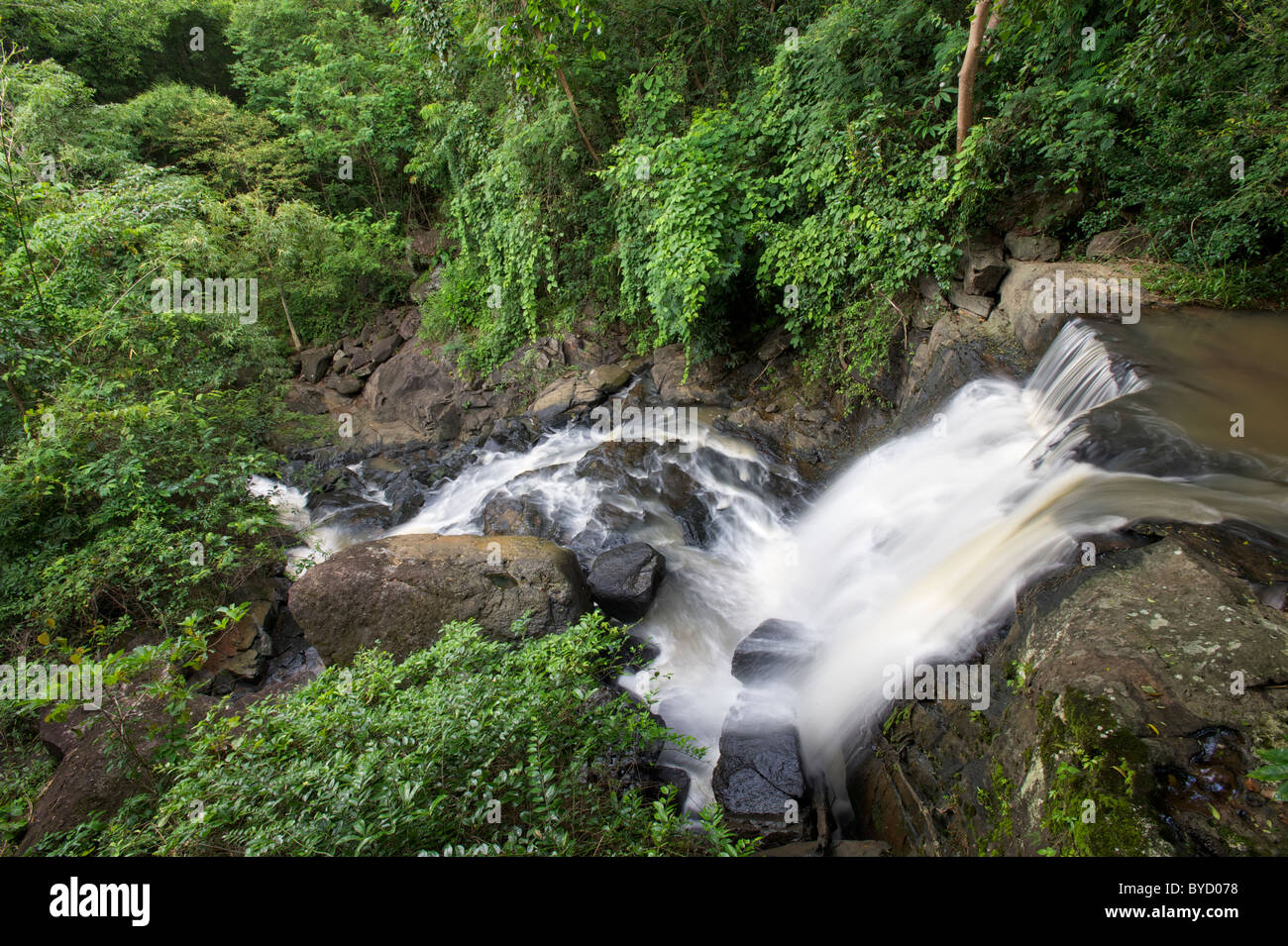
The current impasse involves the 155,865-rai parcel, which the Agricultural Land Reform Office (ALRO) and the DNP have historically classified differently. Under the National Park Act, land within a park boundary is strictly regulated, prohibiting private ownership or permanent agricultural development. Conversely, the ALRO mandate is to distribute land to landless farmers for cultivation. The Royal Thai Government has sought to resolve these competing mandates through the National Land Policy Committee (NLPC), which oversees the One Map project to finalize the contested boundaries.
Environmental Impact and Public Opposition
The prospect of removing over 155,000 rai from the park has ignited significant public debate. Environmental organizations, including the Seub Nakhasathien Foundation, have publicly questioned the necessity of the boundary revision. They argue that the land in question serves as a vital buffer zone and a habitat for biodiversity. According to reports from the Bangkok Post, the DNP has faced intense scrutiny regarding whether the land is truly occupied by small-scale farmers or if it has been encroached upon by resort operators and large-scale commercial interests.
In July 2024, the DNP launched a public hearing process to gather input from stakeholders. The department stated that the goal is to ensure that the final decision aligns with both the legal requirements of the National Park Act and the social necessity of supporting local livelihoods. The Department of National Parks, Wildlife and Plant Conservation maintains that it will strictly verify the eligibility of any residents claiming rights to the land to ensure that public forest resources are not privatized for commercial gain.
The Role of the One Map Project
The One Map project serves as the technical foundation for the proposed changes. By integrating survey data from the Royal Thai Survey Department, the DNP, and the ALRO, the project aims to create a definitive map that resolves the “overlapping” status of the land. However, critics point out that the methodology used to define these zones can be subject to interpretation.
For residents, the uncertainty of their legal status has been a persistent burden. Many families have lived on the land for generations, often holding documents issued by various state agencies that were later superseded by the park’s expansion. The current dispute highlights the broader struggle in Thailand to balance the preservation of the nation’s remaining 31% forest cover with the socio-economic needs of rural communities, as documented in Food and Agriculture Organization (FAO) forestry assessments for the region.
What Happens Next
The DNP is expected to compile the findings from the public hearings and present a final recommendation to the National Land Policy Committee. There is no fixed deadline for the finalization of the map, though the government has signaled an intent to resolve the conflict within the current legislative term. Any formal change to the national park boundaries would require a royal decree, following approval from the Cabinet.

For those tracking the status of the land, the DNP provides regular updates via their official portal and local provincial offices in Nakhon Ratchasima. Observers expect that the final decision will likely include strict zoning regulations that differentiate between residential use and commercial development to mitigate environmental damage. Readers interested in the progress of these hearings are encouraged to monitor upcoming government gazettes for legal notices regarding boundary amendments.
We welcome your perspectives on this issue. Please share your thoughts or questions in the comments section below to join the ongoing discussion regarding land rights and conservation in Thailand.
Keep reading