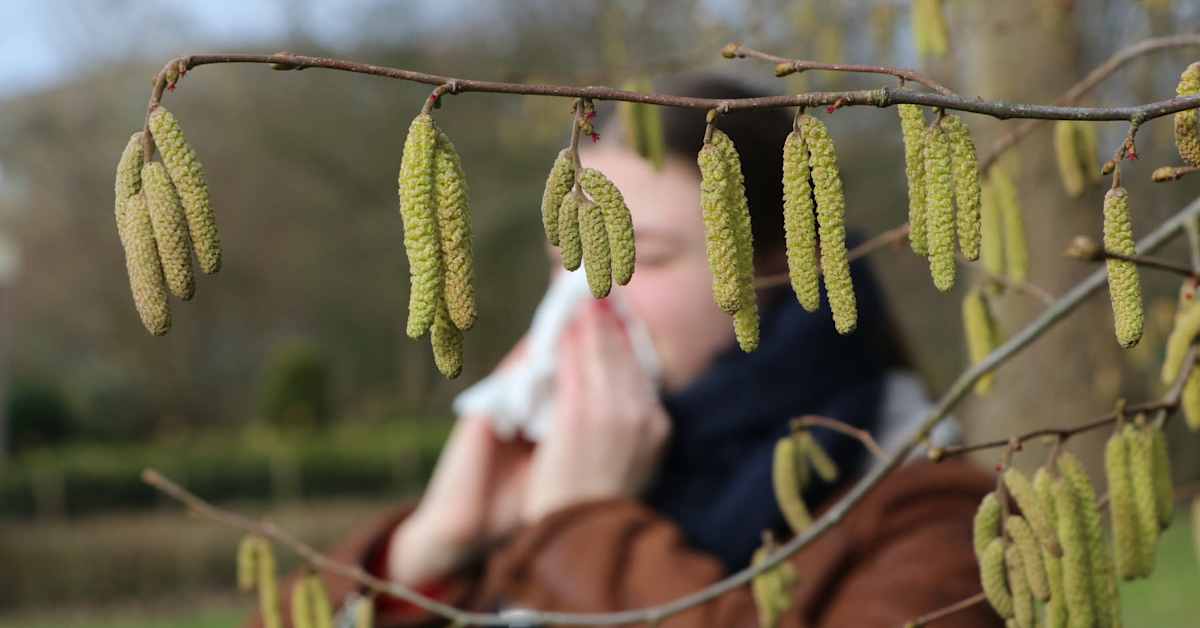
Pollen allergies are becoming increasingly common among adults in Finland, with approximately one in five Finns now affected, according to recent health reports. While the condition can develop at any age, experts note that the risk of severe reactions tends to decline after the age of 60 as the immune system naturally weakens with age.
This trend reflects a broader pattern seen across all age groups over the past 40 to 50 years, during which all types of allergies have risen significantly. Contributing factors include urbanization, excessively clean indoor environments, and climate change, which is causing pollen seasons to start earlier and last longer each year.
Katariina Ijäs of the Finnish Allergy, Skin and Asthma Federation explains that while it is not uncommon for adults to suddenly develop pollen allergies, the body’s immune response typically becomes less aggressive over time. “When we get older, our immune system weakens somewhat, and therefore it does not react as aggressively to, for example, pollen,” she states.
The so-called hygiene hypothesis suggests that reduced exposure to bacteria and microbes in modern, urban lifestyles may impair immune system development. Ijäs emphasizes that the immune system needs regular contact with microorganisms to function properly and warns that overly sterile homes and urban environments may contribute to rising allergy rates.
She advises parents to support their children’s immune development by encouraging outdoor play in nature, minimizing excessive indoor cleaning, and considering pet ownership, which increases microbial exposure. While those raised in rural areas are not immune to allergies, their risk remains lower compared to urban dwellers.
Climate change is too playing a significant role, with warmer temperatures leading to earlier and more intense pollen production from trees such as hazel, alder, and birch — the latter being the most common trigger for allergic reactions in Finland. In some years, pollen has arrived early due to air currents carrying spores from southern Sweden.
Urban air quality further complicates the issue, as street dust stirred up by melting snow can mix with pollen and exacerbate symptoms such as nasal congestion, coughing, sore throat, and irritated eyes. Barbro Hult, chair of the Borgånejdens Allergy and Asthma Association, notes that while living in rural areas offers some relief, moving into towns can quickly trigger breathing difficulties and other allergy symptoms.
During allergy season, Hult recommends starting with antihistamine medications, eye drops, and nasal sprays as first-line treatments. She warns that untreated pollen allergies increase the risk of developing asthma over time, underscoring the importance of early intervention.
Allergy awareness campaigns, such as Allergy Week held annually in March, aim to provide information, brochures, and personal support through outreach events at pharmacies in regions like Östnyland. These efforts support individuals distinguish allergy symptoms from those of colds or flu and guide them toward appropriate care.
While pollen allergies can develop later in life and may persist for years, they often become milder with age, particularly in those who first experienced symptoms during childhood or young adulthood. Medical consultation and allergy testing are recommended for anyone suspecting a new sensitivity to pollen.
As pollen seasons continue to intensify due to environmental changes, public health experts stress the need for greater awareness, preventive strategies, and access to effective treatments to manage the growing burden of allergic diseases in adult populations.
Worth a look