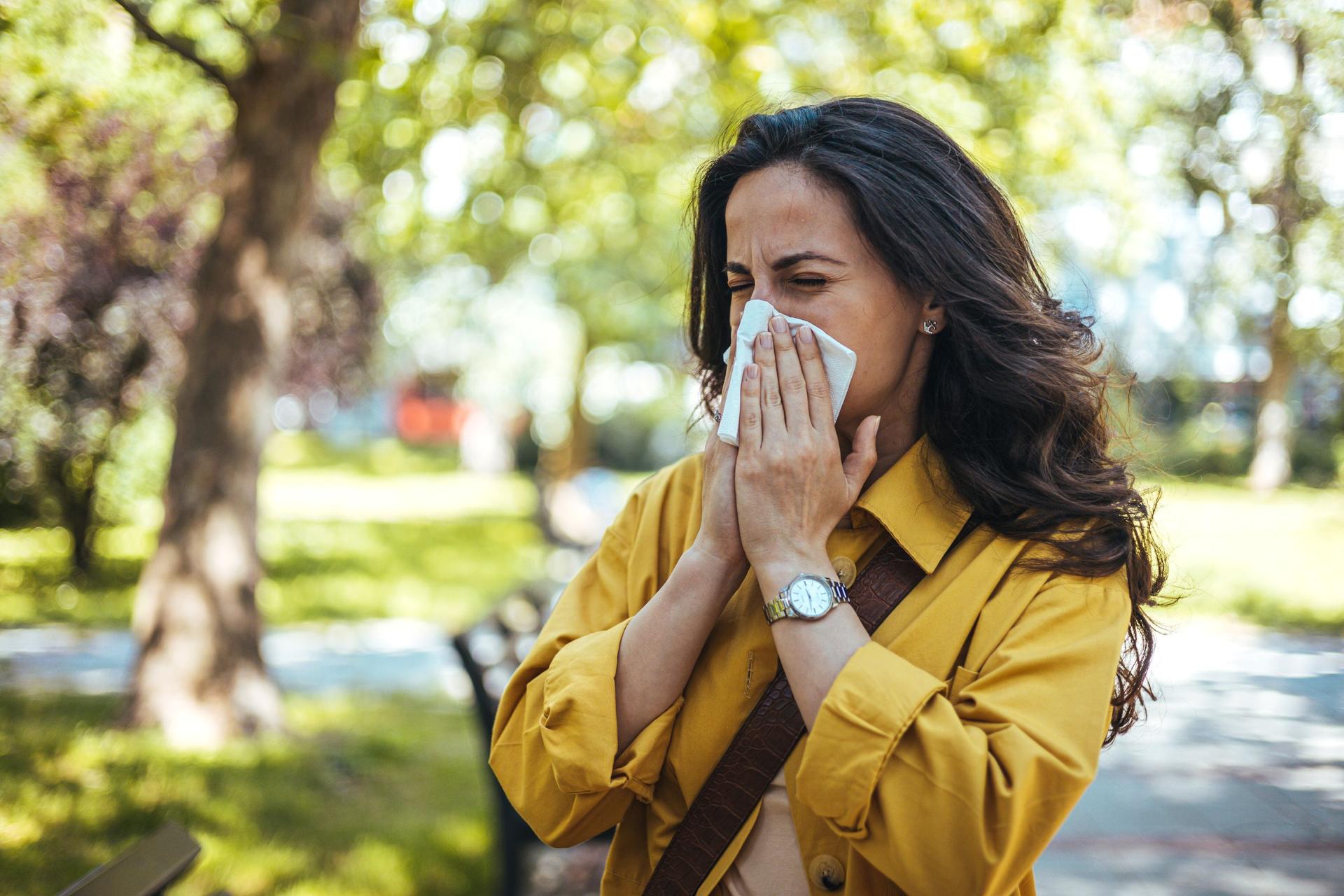
For millions of people, the arrival of spring and summer brings a predictable but exhausting cycle of sneezing, itchy eyes, and nasal congestion. However, many allergy sufferers find that their symptoms don’t simply fade when they head indoors for the evening. Instead, they experience a frustrating intensification of symptoms just as they are trying to sleep, often waking up feeling as though they have a severe cold despite no fever or infection.
This phenomenon is not a coincidence. While we often think of pollen as an outdoor problem, the particles that trigger seasonal allergies are remarkably adhesive. They cling to hair, skin, and clothing, effectively turning the human body into a transport system that carries outdoor allergens directly into the most intimate space of the home: the bedroom. For those seeking nighttime pollen allergy relief, the solution often lies not in a new medication, but in a simple, overlooked hygiene gesture performed every evening.
As a physician with over a decade of experience in internal medicine and medical journalism, I have seen how small behavioral shifts can significantly alter the quality of life for patients struggling with chronic inflammation. When the goal is to stop waking up with a clogged nose and watery eyes, the objective is simple: break the chain of allergen transport before your head hits the pillow.
Why Allergy Symptoms Intensify After Dark
It is common for patients to report that their allergies feel “worse” at night. Here’s rarely because pollen counts magically spike in the bedroom, but rather a combination of physiological changes and environmental accumulation. One of the primary drivers is the effect of gravity on the respiratory system. When you lie flat, mucus that has accumulated in the nasal passages during the day begins to drip down the back of the throat—a process known as post-nasal drip. This can trigger coughing, wheezing, and a feeling of increased congestion, making it hard to achieve deep, restorative sleep.
the body’s natural cortisol levels—which help suppress inflammation—tend to drop in the evening and early morning hours. This dip can make the immune system more reactive to the allergens already present in the environment. When you combine this physiological vulnerability with the allergens you have collected on your body throughout the day, the result is a nighttime flare-up.
Beyond the body, the bedroom itself can become a reservoir for triggers. Pollen enters the home through open windows, on the fur of pets that move between the garden and the sofa, and on the very clothes we wear. If these particles are not removed, they settle into pillows and mattresses, ensuring that the sufferer is inhaling triggers for eight hours straight.
The Essential Evening Gesture: The Decontamination Shower
The most effective “simple gesture” to prevent nighttime allergy symptoms is a thorough shower and a complete change of clothing immediately before getting into bed. This is not about general cleanliness, but about mechanical removal of microscopic proteins.
Pollen grains are designed by nature to stick to surfaces. Throughout the day, they accumulate in the hair—which acts as a highly efficient filter—and on the skin. If you go to bed without showering, you are effectively transferring a day’s worth of collected pollen directly onto your pillowcase. Once there, the pollen remains in close proximity to your nose and eyes all night, maintaining a state of constant immune provocation.
To maximize the benefits of this routine, follow these steps:
- Wash your hair: The scalp is one of the primary collection points for airborne pollen. Washing your hair ensures you aren’t depositing allergens onto your bedding.
- Use lukewarm water: This helps clear the nasal passages through steam while rinsing the skin.
- Change into “clean-zone” clothing: Put on pajamas that have been kept in a closed drawer or wardrobe, away from open windows or high-traffic areas of the house.
- Avoid “day clothes” in the bedroom: Do not leave the clothes you wore outdoors on the bedroom chair or bed; move them immediately to a laundry hamper.
Optimizing the Sleep Environment
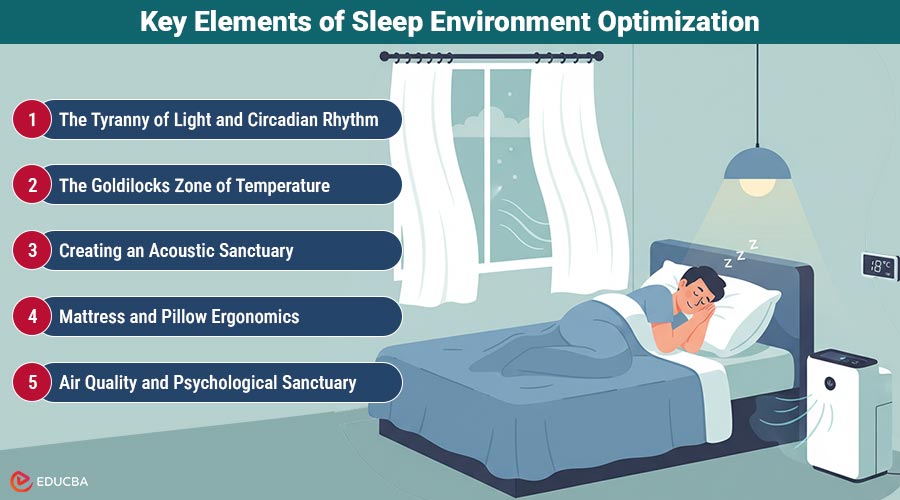
While the evening shower addresses the allergens you bring in, managing the room itself is crucial for long-term nighttime pollen allergy relief. Creating a “clean zone” in the bedroom reduces the overall allergen load the immune system must handle.
Window and Air Management
It is tempting to open windows for a cool breeze, but during peak pollen seasons, this is often counterproductive. Pollen concentrations can fluctuate based on wind and humidity, and open windows allow a steady stream of triggers to settle on your linens. Keeping windows closed and using air conditioning or a fan can help keep the air filtered. For those with severe sensitivities, using a High-Efficiency Particulate Air (HEPA) filter can significantly reduce the concentration of airborne pollen and dust mites in the sleeping area.
Bedding and Textiles
Fabrics are magnets for allergens. To prevent the buildup of pollen and dust, consider the following adjustments:
- Hypoallergenic covers: Use dust-mite-proof and allergen-impermeable covers for mattresses and pillows.
- Frequent laundering: Wash sheets and pillowcases at least once a week in hot water (at least 60°C or 140°F) to kill dust mites and remove trapped pollen.
- Limit soft surfaces: If possible, minimize the number of decorative pillows and heavy blankets that can trap particles.
The Role of Pets
Pets are often the unwitting couriers of pollen. A dog or cat that has been outside carries pollen in their fur, which is then deposited on the bed. To mitigate this, wipe your pet’s paws and coat with a damp cloth before they enter the bedroom, or ideally, keep pets out of the sleeping area entirely during high-pollen months.
When to Seek Professional Medical Guidance
While hygiene and environmental controls are powerful tools, they are often complementary to medical treatment rather than a replacement for it. If you find that you are still waking up with severe congestion despite a strict evening routine, it may be time to consult an allergist.
Medical professionals can help distinguish between seasonal allergic rhinitis and other conditions, such as non-allergic rhinitis or chronic sinusitis. Depending on the severity, a physician may recommend:
- Intranasal corticosteroids: These help reduce inflammation in the nasal passages and are often most effective when used consistently rather than sporadically.
- Oral antihistamines: These can block the histamine response, though timing is key; some are sedating, while others are non-drowsy.
- Immunotherapy: For those with severe reactions, allergy shots or sublingual tablets can desensitize the immune system to specific pollens over time.
It is also critical to monitor the timing of your medications. Some patients find that taking their allergy medication in the early evening, rather than the morning, helps prevent the “morning crash” of congestion and sneezing that occurs when cortisol levels are at their lowest.
Key Takeaways for a Pollen-Free Morning
| Action | Why it Matters | Frequency |
|---|---|---|
| Evening Shower | Removes pollen from skin and hair before bed | Daily (Peak Season) |
| Fresh Pajamas | Prevents re-introducing outdoor allergens to bed | Daily |
| Close Windows | Blocks airborne pollen from entering the room | Nightly |
| HEPA Filtration | Clears existing particles from the air | Continuous |
| Hot Wash Linens | Eliminates trapped pollen and dust mites | Weekly |
Managing pollen allergies is less about a single “cure” and more about a strategy of reduction. By treating the transition from the outdoor world to the bedroom as a process of decontamination, you can significantly lower the inflammatory load on your body. The simple act of showering and changing clothes may seem minor, but for the respiratory system, it is the difference between a night of struggle and a night of restorative sleep.
As we move further into the pollen season, stay tuned for our upcoming guide on identifying regional pollen peaks and the latest in non-pharmacological allergy management. We invite you to share your own strategies for dealing with seasonal allergies in the comments below—what small changes have made the biggest difference in your sleep quality?
Keep reading