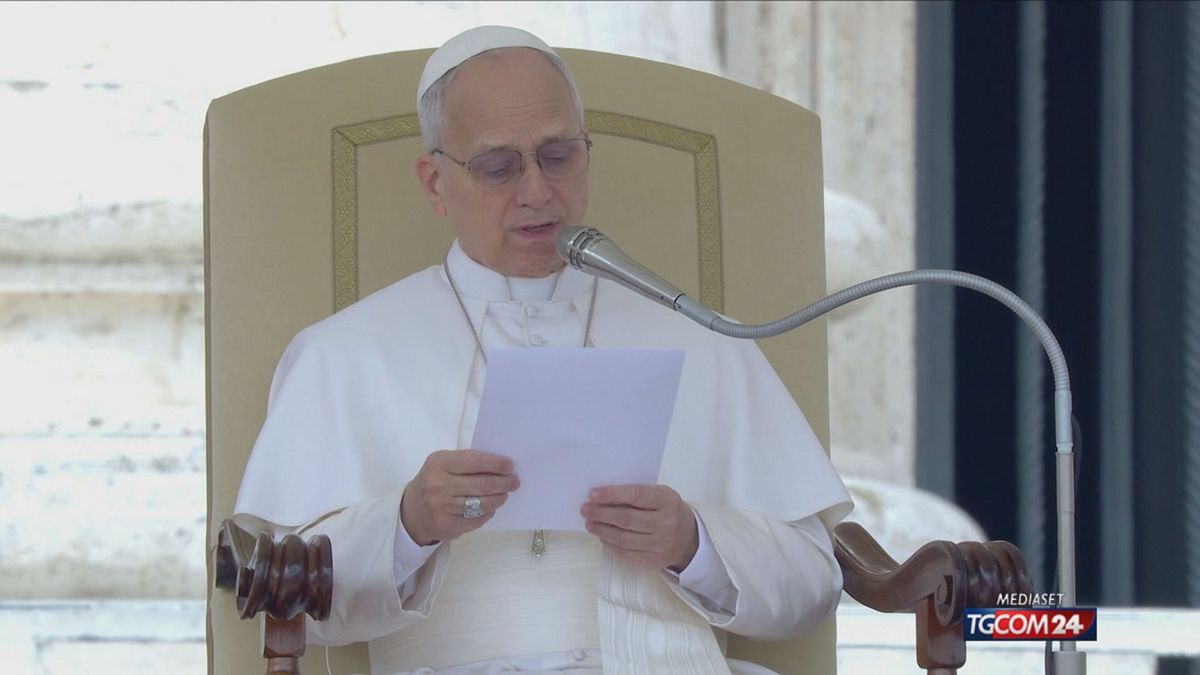
Pope Leo Urges Global Prayer for Peace Amidst Worldwide Conflicts
Vatican City – Pope Leo issued a heartfelt plea for peace across the globe on Monday, March 4, 2026, emphasizing the importance of embracing a spirit of penance and conversion during the Lenten season. Addressing the faithful during his general audience, the Pope called for fervent prayers for mercy and peace, not only for individuals but for the entirety of humanity, acknowledging the urgent need for solace in a world grappling with numerous conflicts. This appeal comes as international tensions remain high, with ongoing crises in Ukraine and elsewhere demanding attention and resolution. The Pope’s message underscores the Catholic Church’s consistent commitment to peaceful dialogue and the pursuit of justice for all.
The Pontiff’s call to prayer resonates deeply within the context of a world facing escalating geopolitical challenges. While specific details of the Pope’s address were initially reported by Italian media outlet Tgcom24, the sentiment reflects a longstanding tradition of papal advocacy for peace. Pope Leo’s emphasis on penance and conversion during Lent – a period of reflection and spiritual renewal for Christians – suggests a belief that inner transformation is a crucial component of achieving lasting peace. This message is particularly poignant given the complex web of political, economic, and social factors contributing to global instability. The need for a collective shift in mindset, prioritizing compassion and understanding, is a recurring theme in the Pope’s public statements.
The Spiritual Significance of Lent and the Call for Conversion
Lent, observed by many Christians, is a 40-day period of fasting, prayer, and almsgiving leading up to Easter. It commemorates the 40 days Jesus spent in the desert, enduring temptation, and is considered a time for spiritual preparation and renewal. Pope Leo’s framing of his peace appeal within the Lenten context is significant. He is not simply asking for an end to hostilities, but also for a deeper, internal shift towards empathy and reconciliation. This emphasis on personal transformation aligns with the core tenets of Catholic social teaching, which stresses the dignity of the human person and the importance of building a just and peaceful society. The concept of conversion, extends beyond individual piety to encompass a collective commitment to non-violence and social justice.
Papal Advocacy for Peace: A Historical Perspective
The Catholic Church, and its leaders, have a long history of advocating for peace and mediating conflicts. Pope Francis, Leo’s predecessor, consistently called for dialogue and diplomacy in resolving international disputes, notably during the ongoing conflicts in Ukraine and Gaza. In April 2024, Pope Francis stated that “a negotiated peace is better than a war without end,” urging all parties involved to seek peaceful resolutions. This tradition of peacemaking continues with Pope Leo, who is building upon the legacy of his predecessors by emphasizing the moral imperative of pursuing peace through non-violent means. The Vatican has often served as a neutral ground for negotiations, and the Pope’s moral authority carries significant weight on the international stage.
Pope Leo’s recent statements echo concerns raised earlier in 2026 regarding the sanctity of life. On January 31, 2026, Pope Leo stated that “the greatest destroyer of peace is abortion,” arguing that a commitment to peace requires protecting the vulnerable and marginalized. This perspective, rooted in Catholic doctrine, highlights the interconnectedness between respect for human life and the pursuit of a peaceful world. The Pope’s stance on this issue has drawn both support and criticism, reflecting the deeply divisive nature of the debate surrounding abortion rights globally.
Global Conflicts and the Urgent Need for Dialogue
The Pope’s appeal for peace comes at a time when numerous conflicts are raging across the globe. The war in Ukraine, which began in February 2022, continues to inflict immense suffering and destabilize the region. The conflict in Gaza, sparked by the October 7, 2023, attacks by Hamas, has resulted in a devastating humanitarian crisis and raised fears of a wider regional war. Beyond these high-profile conflicts, numerous other disputes and instances of violence are occurring in various parts of the world, including ongoing tensions in the Horn of Africa, the Sahel region, and parts of Asia. These conflicts are driven by a complex interplay of political, economic, and social factors, including competition for resources, ethnic and religious tensions, and the rise of extremist ideologies.
The interconnected nature of these conflicts underscores the need for a comprehensive and coordinated approach to peacemaking. Pope Leo’s call for prayer is not intended to replace diplomatic efforts or humanitarian aid, but rather to complement them by fostering a climate of empathy and understanding. The Pope’s message serves as a reminder that peace is not merely the absence of war, but a positive state of justice, reconciliation, and mutual respect. Addressing the root causes of conflict requires a long-term commitment to promoting human rights, economic development, and inclusive governance.
Recent reports indicate a growing sense of desperation among civilians caught in conflict zones. A report from Zazoom.it in December 2025 highlighted the plight of residents in Kyiv, Ukraine, who pleaded for the world to intervene and end the war. These voices of anguish underscore the human cost of conflict and the urgent need for a peaceful resolution. The Pope’s appeal for peace is a direct response to these cries for facilitate, and a call for all people of goodwill to work towards a more just and peaceful world.
Looking Ahead: Continued Papal Advocacy and International Efforts
Pope Leo is expected to continue his advocacy for peace in the coming months, utilizing his platform to raise awareness about ongoing conflicts and to encourage dialogue among world leaders. The Vatican is actively involved in diplomatic efforts to mediate conflicts and provide humanitarian assistance to those affected by violence. The next major event on the papal calendar is likely to be Easter, which will provide another opportunity for the Pope to reiterate his message of peace and hope.
The international community also has a crucial role to play in promoting peace. Efforts to strengthen international institutions, such as the United Nations, and to uphold international law are essential. Increased investment in conflict prevention and peacebuilding initiatives is also needed. Achieving lasting peace requires a collective commitment to addressing the root causes of conflict and to building a more just and equitable world.
As the world navigates these challenging times, Pope Leo’s message of peace serves as a powerful reminder of the shared humanity that binds us together. His call for prayer, penance, and conversion is an invitation to all people to reflect on their own role in building a more peaceful future.
What are your thoughts on the Pope’s message? Share your comments below and help spread the word by sharing this article.
Related reading