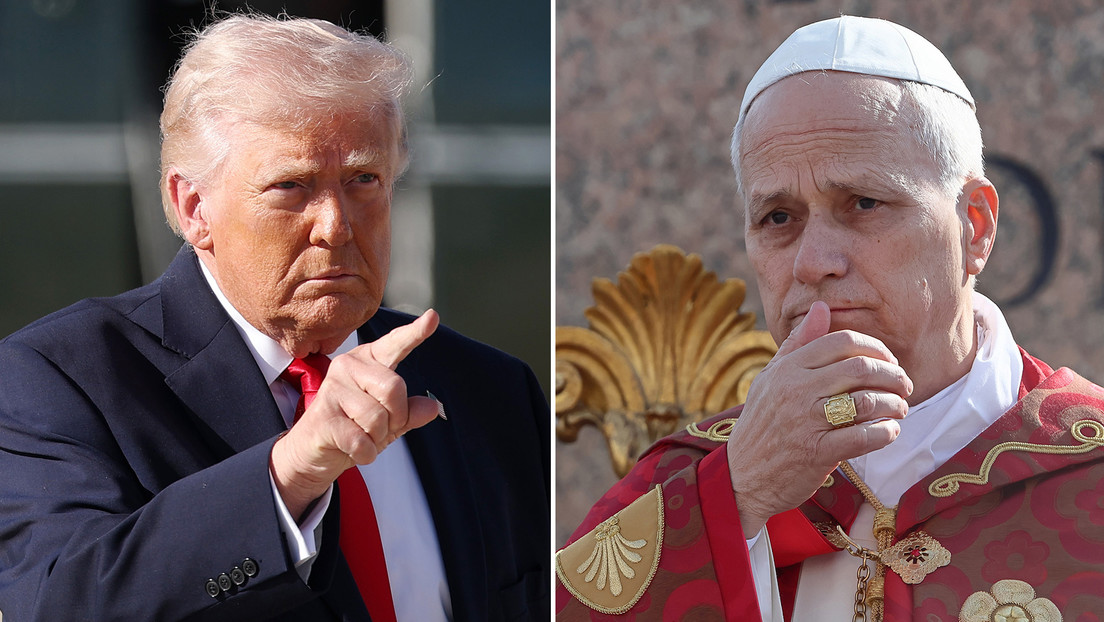
The leadership of the Catholic Church has voiced significant concerns regarding the current trajectory of international conflicts and the implementation of global migration policies. These statements underscore a growing tension between humanitarian imperatives and the political frameworks governing the movement of displaced persons.
In an era marked by increasing geopolitical instability, the Church has emphasized the need for a compassionate approach to those fleeing violence and persecution. The focus remains on the protection of human dignity and the necessity of maintaining open channels for those seeking refuge from international crises.
These concerns are not limited to the central administration of the Church but are echoed by regional leadership. The discourse highlights a consistent plea for policies that prioritize human rights over restrictive border mandates, reflecting a broader institutional commitment to social justice and the support of marginalized populations.
The Stance of the Catholic Church on Migration Policies
The Catholic Church has consistently advocated for a holistic approach to migration, arguing that the movement of people is often a symptom of deeper international conflicts and systemic inequalities. By expressing concern over current policies, the Church leadership aims to draw attention to the human cost of restrictive legislation and the volatility of global conflict zones.
The core of the Church’s argument rests on the belief that migration is a human reality that requires a coordinated, humanitarian response rather than a purely security-driven approach. This perspective emphasizes the moral obligation of wealthy nations to assist those in desperate need, regardless of their legal status or origin.
Concerns Within the United States
The regional manifestation of these concerns is evident in the United States, where the Church’s hierarchy has been vocal about the impact of domestic migration strategies. Specifically, 18 bishops have expressed concern over migration policies, as reported by Vatican News.

These bishops have highlighted the precarious situation of migrants and the need for policies that reflect the dignity of the human person. Their collective voice serves as a call to action for policymakers to reconsider the legal and social frameworks that govern how the U.S. Treats those arriving at its borders.
The intersection of religious leadership and public policy continues to be a focal point for humanitarian advocacy. As international conflicts persist and migration patterns shift, the Catholic Church remains a primary institutional voice calling for a shift toward empathy and legal protections for the displaced.
Further updates regarding official statements from the Vatican or the U.S. Conference of Catholic Bishops are expected as migration policies continue to evolve. We encourage our readers to share their perspectives on these humanitarian issues in the comments below.