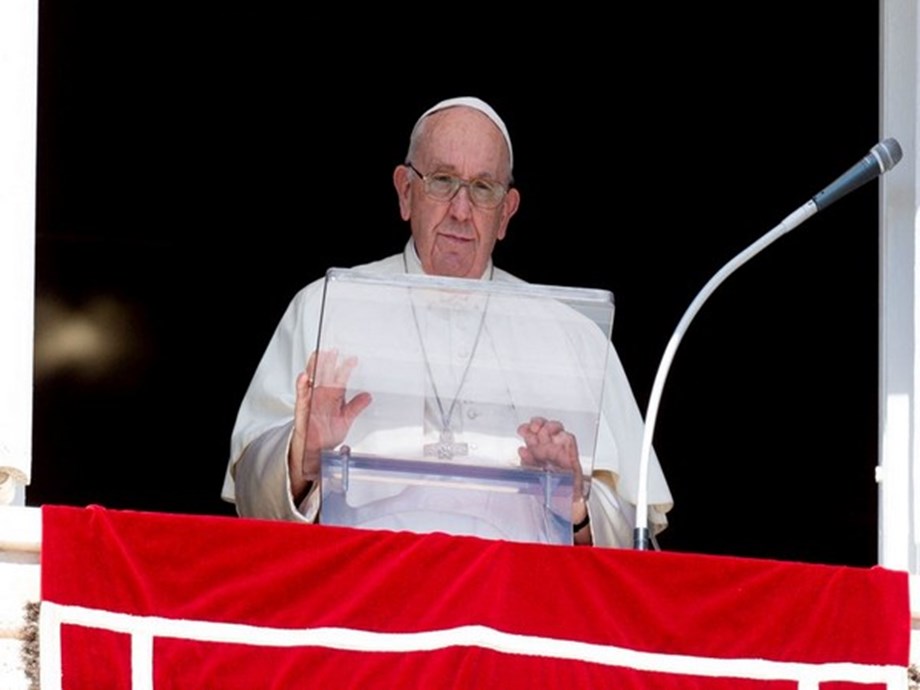
The intersection of global political power and religious authority often produces a delicate diplomatic dance, but the relationship between Pope Francis and Donald Trump has frequently defied traditional protocol. Whereas the Vatican typically maintains a posture of neutral mediation, the current pontiff has demonstrated a distinct willingness to engage in direct challenges, often blending stern critique with a surprising sense of humor.
This dynamic has created a volatile atmosphere in international relations, where the traditional boundaries of diplomatic courtesy are frequently tested. For journalists and diplomats attempting to navigate this landscape, the challenge lies in accessing a leader who is as comfortable with a pointed political critique as he is with a lighthearted joke, particularly when dealing with the polarizing figure of the former U.S. President.
The friction between the two leaders has not been confined to private meetings or formal diplomatic channels; it has spilled over into the public eye, manifesting in sharp rhetorical exchanges and unconventional social media activity that has captured global attention.
A Pattern of Public Friction and Backlash
The tension between the Vatican and the Trump administration was often characterized by a clash of fundamentally different worldviews. This friction reached several boiling points, with reports indicating that the President erupted at the Pope, an action that subsequently drew a significant backlash.
Analysts have noted that this was not a standard diplomatic disagreement but rather a collision of personalities. The Pope’s approach—marked by a willingness to challenge established power structures and a tendency to speak candidly on human rights and migration—often place him at odds with the “America First” rhetoric of the Trump era. Some observers have suggested that in attempting to steer the narrative, Donald Trump may have miscalculated the nature of the current papacy.
Unlike predecessors who might have avoided direct confrontation to preserve diplomatic ties, Pope Francis has shown a propensity for addressing political leaders on their own terms, refusing to be intimidated by the stature of the office or the aggression of the rhetoric.
The Digital Front: Roasts and Religious Imagery
The conflict between the two figures extended into the digital realm, where the communication became increasingly erratic and unconventional. In a series of posts that baffled observers and critics alike, Donald Trump engaged in a “roast” of the Pope, blending political grievances with unexpected religious references.

According to reports, these posts included the phrase “Praise be to Allah” and, most strikingly, an image depicting himself as Christ. This mixture of provocative imagery and religious juxtaposition highlighted the unconventional nature of the conflict, moving it beyond policy disputes into the realm of symbolic and personal warfare.
Such actions underscore the breakdown of traditional diplomatic norms. When the head of a state uses social media to mock or mimic religious figures, it creates a ripple effect that impacts not only the relationship between the two individuals but also the broader rapport between the United States and the Holy See.
Navigating the Pontiff’s Unpredictability
For those tasked with covering the Vatican, the current papacy presents a unique challenge. The Pope is known for his ability to pivot from a solemn theological discourse to a sharp, pointed critique of global leadership, often using humor as a tool for disarming his interlocutors or highlighting the absurdity of a situation.
This willingness to challenge authority figures—including a U.S. President—suggests a strategic shift in how the papacy interacts with global superpowers. By remaining unpredictable and refusing to adhere to a rigid script, the Pope maintains a level of autonomy that allows him to address systemic issues without being completely subsumed by the diplomatic requirements of the state.
For journalists attempting to get a pointed answer from the Pope, the experience is often one of navigating these contradictions. The pontiff’s use of humor can be as much a shield as it is a weapon, allowing him to deflect certain inquiries while delivering a clear moral message on others.
Key Dynamics of the Vatican-Trump Relationship
| Area of Friction | Nature of Conflict | Outcome/Impact |
|---|---|---|
| Public Rhetoric | Direct challenges to policy and leadership | Public backlash and strained diplomacy |
| Digital Communication | “Roasts” and unconventional religious imagery | Confusion and criticism from global observers |
| Diplomatic Style | Traditional protocol vs. Candid, humorous critique | Shift in how the papacy engages with superpowers |
As the world continues to monitor the influence of the Catholic Church on global affairs, the precedent set by these interactions remains significant. The ability of a religious leader to stand their ground against a powerful political figure, while maintaining a sense of levity, redefines the role of the papacy in the 21st century.

The next official update on Vatican-U.S. Diplomatic relations will likely emerge during the next scheduled state visit or formal apostolic address. We encourage our readers to share their thoughts on the intersection of faith and politics in the comments below.
- Australia’s Century of Fire Knowledge Tested by Worsening Wildfires
- US Completes Sixth Night of Airstrikes Against Iranian Military Infrastructure
- Key to Power Grid Resilience Found in Technology, Says Latest Survey (world-today-news.com)
- Trump’s Longtime Teleprompter Operator Suspension over Alleged Insider Trading (time.news)