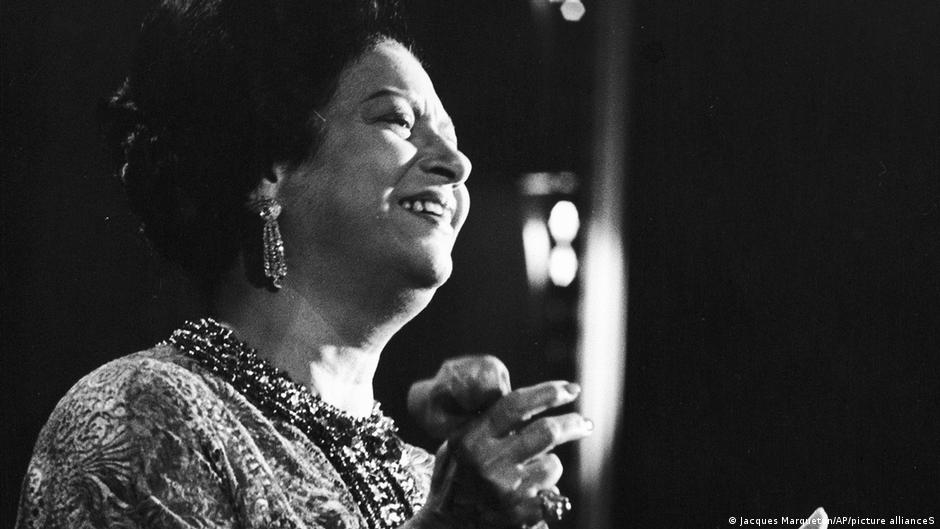
In the pantheon of Arabic music, few works command as much reverence as “Al-Atlal” (The Ruins). Now marking 60 years of cultural endurance, the masterpiece remains a definitive pillar of the legacy of Umm Kulthum, often referred to as the “Fourth Pyramid” of Egypt. The song is not merely a musical composition but a complex intersection of poetry, orchestral precision, and vocal mastery that continues to resonate across generations.
The creation of “Al-Atlal” was a meticulous process of curation and collaboration. Umm Kulthum and the legendary composer Riad Al Sunbati carefully selected 32 verses from two different poems written by Ibrahim Nagi to craft the final version. This editorial precision ensured that the emotional arc of the song mirrored the profound sense of loss and nostalgia inherent in the poetry.
The song’s public debut took place on April 7, 1966, at the Cinema Qasr El Nil following two years of intensive preparation. During this development phase, the poetry underwent further refinements with adjustments made by the poet Ahmed Rami. The result was a sonic experience that solidified the partnership between the singer and her composer, though the path to perfection was not without its tensions.
The Creative Synergy of Kulthum and Al Sunbati
The professional relationship between Umm Kulthum and Riad Al Sunbati was one of destiny and enduring creativity. Although Kulthum began her recording career in Cairo in 1924—starting with “Al-Hubb Tafdahhu Uyoonuh” composed by Abu Al-Ula Muhammad—it was not until 1935 that Al Sunbati entered her musical history to begin a decade-spanning collaboration.
In “Al-Atlal,” this synergy reached its zenith. Al Sunbati’s composition provided a sophisticated orchestral backdrop that allowed Kulthum’s voice to navigate the extremes of longing and despair. However, the pursuit of perfection led to a well-documented disagreement between the two artists. Reports indicate a specific conflict regarding the “qafla” (the musical closing or cadence) of the song, highlighting the rigorous standards both artists held for this particular work and the tension that often accompanies high-level artistic creation.
A Legacy of Poetic Immortality
The enduring power of “Al-Atlal” lies in its roots in classical Arabic poetry. By blending the works of Ibrahim Nagi, the song captures a timeless human experience: the visitation of ruins and the recollection of a lost love. The phrase “هل رأى الحب سكارى” (Has love seen the intoxicated) has become an iconic motif in Arabic culture, representing a state of emotional overwhelm that transcends the specific era of the song’s release.
To mark the 60-year anniversary of this achievement, cultural institutions have continued to honor the work. This includes academic and artistic seminars, such as those held at Beit Al-Sinnari, which analyze the song’s impact and the technical brilliance of its composition. These discussions emphasize that “Al-Atlal” is not just a relic of the past, but a living piece of art that continues to be studied by musicians and historians globally.
Key Artistic Components of “Al-Atlal”
| Element | Contribution/Detail | Primary Figure |
|---|---|---|
| Lyrics | 32 selected verses from two poems | Ibrahim Nagi |
| Musical Composition | Complex orchestral arrangement | Riad Al Sunbati |
| Vocal Performance | The “Fourth Pyramid” execution | Umm Kulthum |
| Lyric Refinements | Post-composition adjustments | Ahmed Rami |
The song’s longevity is further attributed to the meticulous nature of its recording. Studio versions and live performances reveal a level of discipline in timing and breath control that remains a benchmark for vocalists in the Middle East. The tension between the composer’s vision and the singer’s interpretation created a dynamic energy that is palpable even six decades later.

As “Al-Atlal” continues to be streamed and performed, it serves as a reminder of a golden age of Arabic music where poetry and melody were inextricably linked. The work remains a testament to the ability of art to capture the essence of human sorrow and transform it into a timeless expression of beauty.
Cultural discussions surrounding the work continue through ongoing seminars and retrospectives dedicated to the legacy of Umm Kulthum and Riad Al Sunbati. We invite readers to share their thoughts on the enduring influence of “Al-Atlal” in the comments below.
Keep reading