
Pope Leo XIV has called upon Spain’s Catholic hierarchy to implement a comprehensive “culture of care” and provide reparations to survivors of clergy sexual abuse. Speaking in Madrid on Monday, June 8, 2026, the pontiff emphasized that the church must prioritize transparency and sincere listening as it continues to grapple with a long-standing legacy of abuse and systemic cover-ups within the country.
The Pope’s appeal comes as he begins a weeklong visit to Spain, during which he held a meeting with six abuse survivors at the Vatican embassy in Madrid. According to the Vatican, the hour-long session was part of an ongoing effort to address the institutional response to the crisis, with the Pope pledging to consider the survivors’ recommendations for future reform.
Addressing a Legacy of Silence
For decades, the Spanish Catholic Church faced criticism for dismissing the severity of clerical abuse scandals. This pattern of silence began to shift only after investigative reporting, most notably by the newspaper El País, brought the scale of the crisis to public light. The resulting scrutiny forced a reckoning that continues to shape the relationship between the Spanish church and the public today.

In 2023, the Spanish government’s ombudsman released an 800-page report that underscored the breadth of the issue. Based on a survey of 8,000 individuals, the report estimated that there were hundreds of thousands of potential victims of clerical abuse in Spain over several decades. The document also conducted a detailed examination of 487 specific, known cases, providing a formal basis for the current national discourse on justice and accountability.
The Evolution of Reparations
Earlier this year, Spain introduced a new reparations system designed to address historical cases of clerical abuse that fall outside the statute of limitations for criminal prosecution. This framework is distinct from models adopted in other nations because it requires active participation from both the Spanish government and the Catholic Church. While the system is not legally binding, it grants the state a significant role in the process and final authority regarding compensation payouts.

The initiative has sparked a varied response from advocacy groups and survivors. While many view the government’s involvement as a necessary step toward transparency, some have expressed skepticism regarding the long-term effectiveness of the program. Survivors now have a one-year window to submit applications for consideration under these new guidelines.
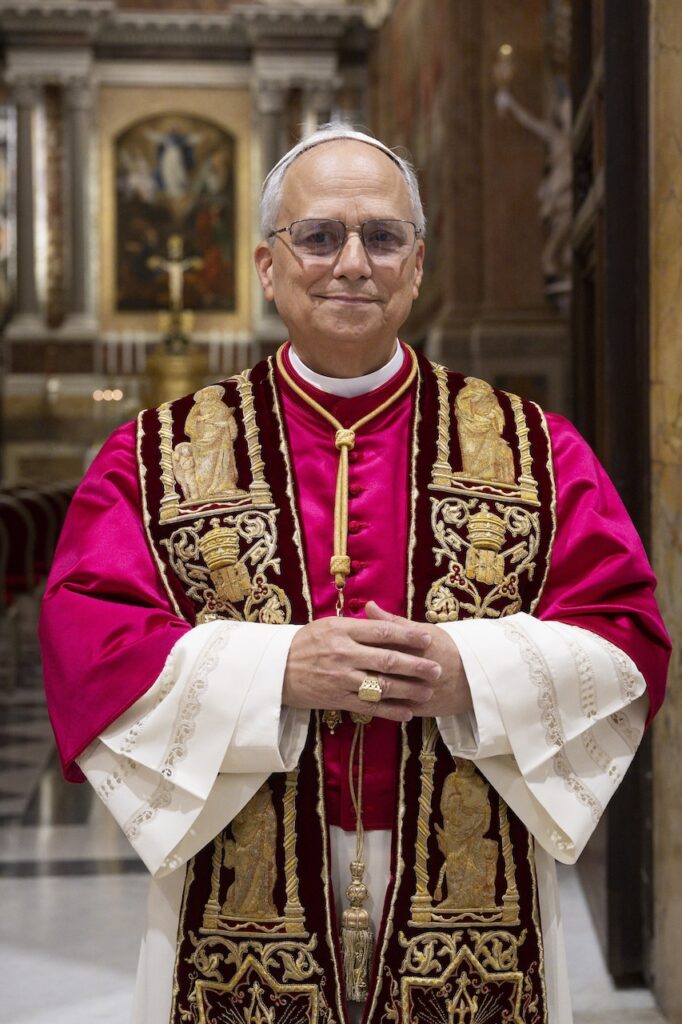
Pope Leo XIV meets with Spain’s bishops at the Spanish Episcopal Conference, in Madrid, Monday, June 8, 2026. (AP Photo/Alessandra Tarantino)
Commitment to a Culture of Care
During his address to the Spanish bishops, Pope Leo XIV stated, “Faced with this scourge, the ecclesial community is called to respond with listening, truth, justice reparation.” He argued that the church must foster an environment where every individual who has been harmed feels protected and heard. “Every wounded person must be able to find sincere listening, welcome, protection and real paths to healing,” the Pope added, urging the bishops to maintain a more determined commitment to prevention.
Despite these high-level discussions, tensions remain on the ground. Ahead of the Pope’s meeting with survivors, several advocacy groups reported feeling excluded from the process, with some staging a small protest outside the Vatican’s embassy in Madrid to signal their dissatisfaction with the lack of communication regarding the encounter.
As the Pope continues his weeklong visit, the focus remains on whether these public declarations will translate into systemic institutional change. The church’s next steps will likely be measured against the progress of the government-backed reparations system and the ongoing dialogue between survivors and the Spanish Episcopal Conference.
Check back for further updates as the Pope’s visit to Spain concludes. We invite you to share your thoughts on these developments in the comments section below.
Related reading