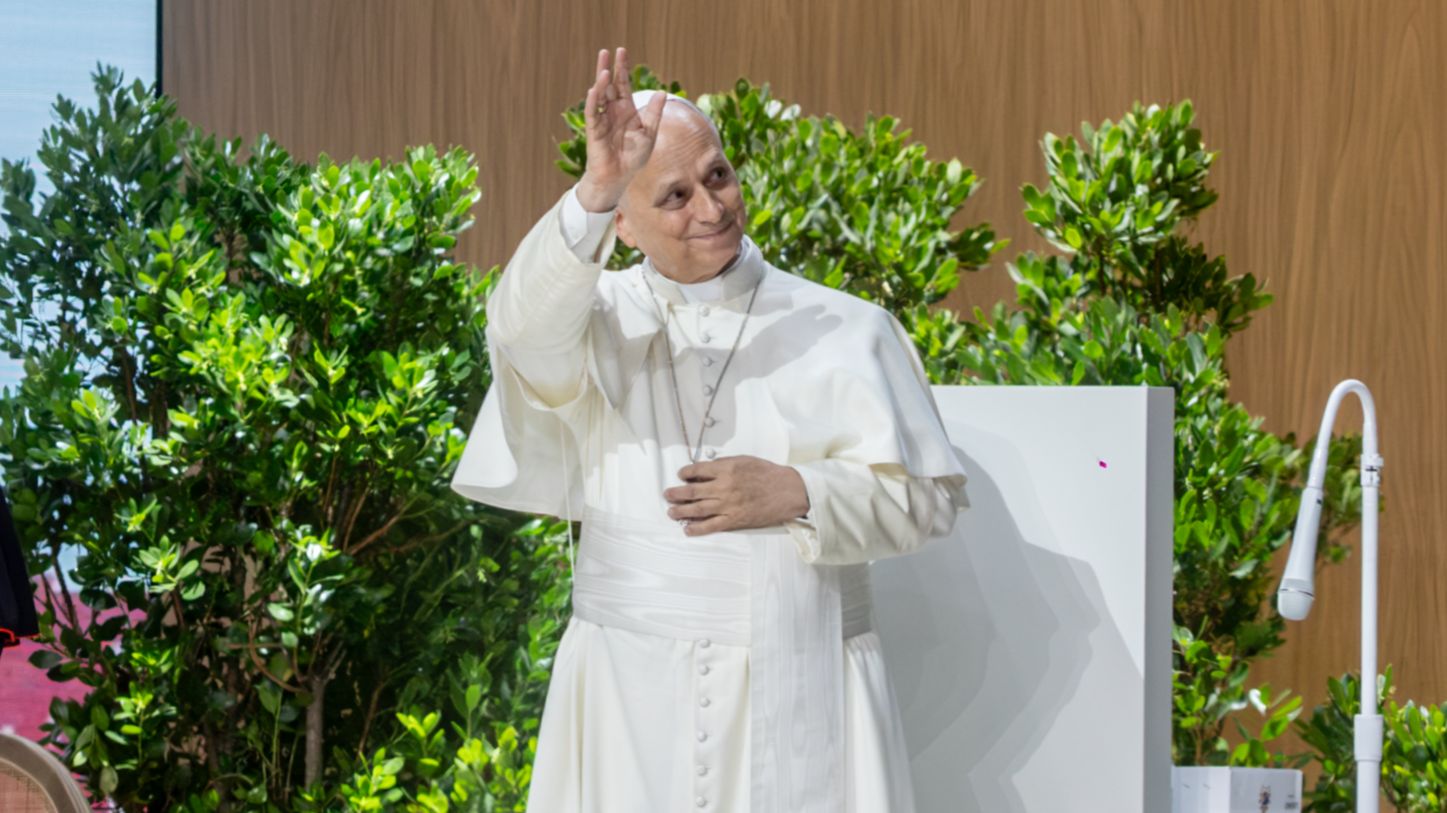
Pope Leo XIV concluded his second day of a high-profile apostolic journey to Spain on June 7, 2026, marking a significant moment in the pontiff’s visit to the country. The day was punctuated by a formal mass in Madrid’s Plaza de Cibeles, followed by a private dinner with the Cardinal Archbishop. This visit represents the first time the head of the Catholic Church has traveled to the Spanish capital in 15 years, according to official tourism documentation from the City of Madrid.
The apostolic journey, which began on June 6 and is scheduled to continue through June 12, serves as the centerpiece of a multi-city itinerary that includes stops in Madrid, Barcelona, and the Canary Islands. The visit is conducted at the invitation of King Felipe VI and the Catholic Church in Spain. As part of the logistical preparations, local authorities implemented transit measures, including free access to the EMT Madrid bus network and the “bicimad” public bicycle service for visitors and residents from June 3 through June 9, as confirmed by the Madrid City Council’s official tourism portal.
Events at Plaza de Cibeles
The central event of the weekend took place on Sunday, June 7, at the Plaza de Cibeles. The location served as the primary site for the papal mass, drawing significant public attention and requiring extensive security coordination. The municipal government, led by the Mayor of Madrid, issued specific regulatory orders, or “bandos,” to manage the influx of attendees and ensure the safety of the apostolic proceedings throughout the capital.
The scale of the event necessitated a temporary suspension of certain traffic routes to accommodate the passage of the “papamóvil” (popemobile). Authorities have provided detailed maps and digital resources to assist the public in identifying restricted zones and alternative transport options during the pontiff’s stay. These resources are available through the official city website, which serves as the primary hub for real-time updates regarding the papal itinerary and public service availability.
Logistical Coordination and Public Access
The logistical footprint of the visit has been extensive, involving cooperation between the Holy See and the Spanish government. Beyond the religious ceremonies, the visit has impacted the daily operations of the city’s infrastructure. For instance, the exclusion of the Airport Express line from the temporary free-transit mandate highlights the specific limitations placed on public service adjustments during the visit. Detailed information regarding accessibility, including a “Sacred Madrid” map, has been provided to the public to facilitate movement around the city’s religious landmarks.
The visit is characterized by a high level of institutional involvement. Beyond the royal invitation, local political figures, including the President of the Community of Madrid, have participated in the liturgical events, such as the Corpus Christi mass. The coordination between the Archdiocese and civil authorities has been a recurring theme in the reporting of the visit’s progress, emphasizing the intersection of religious observance and urban management in a major European capital.
Moving Forward
As of June 8, 2026, the papal delegation continues its schedule, having moved past the initial Madrid-based ceremonies. The pontiff is expected to maintain his travel schedule across the country, with subsequent stops in Barcelona and the Canary Islands. Official communication channels, including the Vatican’s press office and local government portals, remain the primary sources for updates regarding the remainder of the trip.
For those attending remaining events or seeking further information, the Madrid City Council advises checking the official tourism website for any changes to public transport or street closures. We invite our readers to share their observations or questions regarding the ongoing visit in the comments section below, as we continue to monitor the developments of this apostolic journey throughout the coming week.
Related reading