
Pope Leo XIV arrived in Algeria on April 13, 2026, marking the beginning of his apostolic journey across Africa. The visit, which spans from April 13 to April 23, includes stops in Cameroon, Angola, and Equatorial Guinea, with Algeria serving as the first destination. During his time in Algiers, the Pope paid tribute at the Martyrs’ Memorial (Maqam Echahid), a monument honoring those who lost their lives during Algeria’s war for independence from 1954 to 1962.
On the morning of his arrival, Pope Leo XIV proceeded directly to the Great Mosque of Algiers (Djamaa El Djazair) in the Mohamed Belouizdad commune. There, he was welcomed by the mosque’s rector, Mohammed Al-Mamoun Al-Qasimi Al-Hassani, and walked alongside him through the sacred grounds. The Pope greeted those present with the Islamic salutation “Assalamualaikum,” a gesture noted by multiple regional outlets as a meaningful sign of interfaith respect.
Later that day, after visiting the presidential palace and meeting with Algerian President Abdelmadjid Tebboune, Pope Leo XIV returned to the Great Mosque in the afternoon for a period of quiet reflection. He was accompanied by Imam Mohamed Mamoun Al Qasimi during this time of personal prayer and contemplation inside the mosque.
The Pope’s visit to Algeria underscores the Vatican’s ongoing commitment to fostering dialogue between Catholics and Muslims, particularly in nations where Islam is the predominant faith. Although Catholics constitute less than 10,000 of Algeria’s approximately 48 million inhabitants, the Pope described his presence as an opportunity to offer “a very important bridge” in interreligious dialogue.
Speaking to gathered crowds later in the day at the Basilica of Our Lady of Africa, Pope Leo XIV emphasized themes of peace, unity, and mutual respect. He praised the harmonious coexistence of communities in Algeria as a living example of fraternity, stating that humility and simplicity can serve as powerful forces in spreading messages of reconciliation.
In his address, the Pope also issued a pointed critique of what he described as “neocolonial” violations of international law by powerful global nations. This remark came just hours after U.S. President Donald Trump publicly criticized the Pope, framing the Vatican’s moral stance as politically motivated.
Throughout his engagements, Pope Leo XIV reiterated that his journey across Africa is intended to serve as a “witness to peace and hope” for the world. Vatican data indicates that over 20% of the global Catholic population now resides in Africa, underscoring the continent’s growing significance within the Church.
Significance of the Great Mosque Visit
The Great Mosque of Algiers, officially known as Djamaa El Djazair, is the largest mosque in Africa and features the tallest minaret in the world. Its inclusion in the Pope’s itinerary highlights the symbolic weight of the visit, particularly in a country where religious coexistence has been both historically complex and increasingly collaborative in recent years.
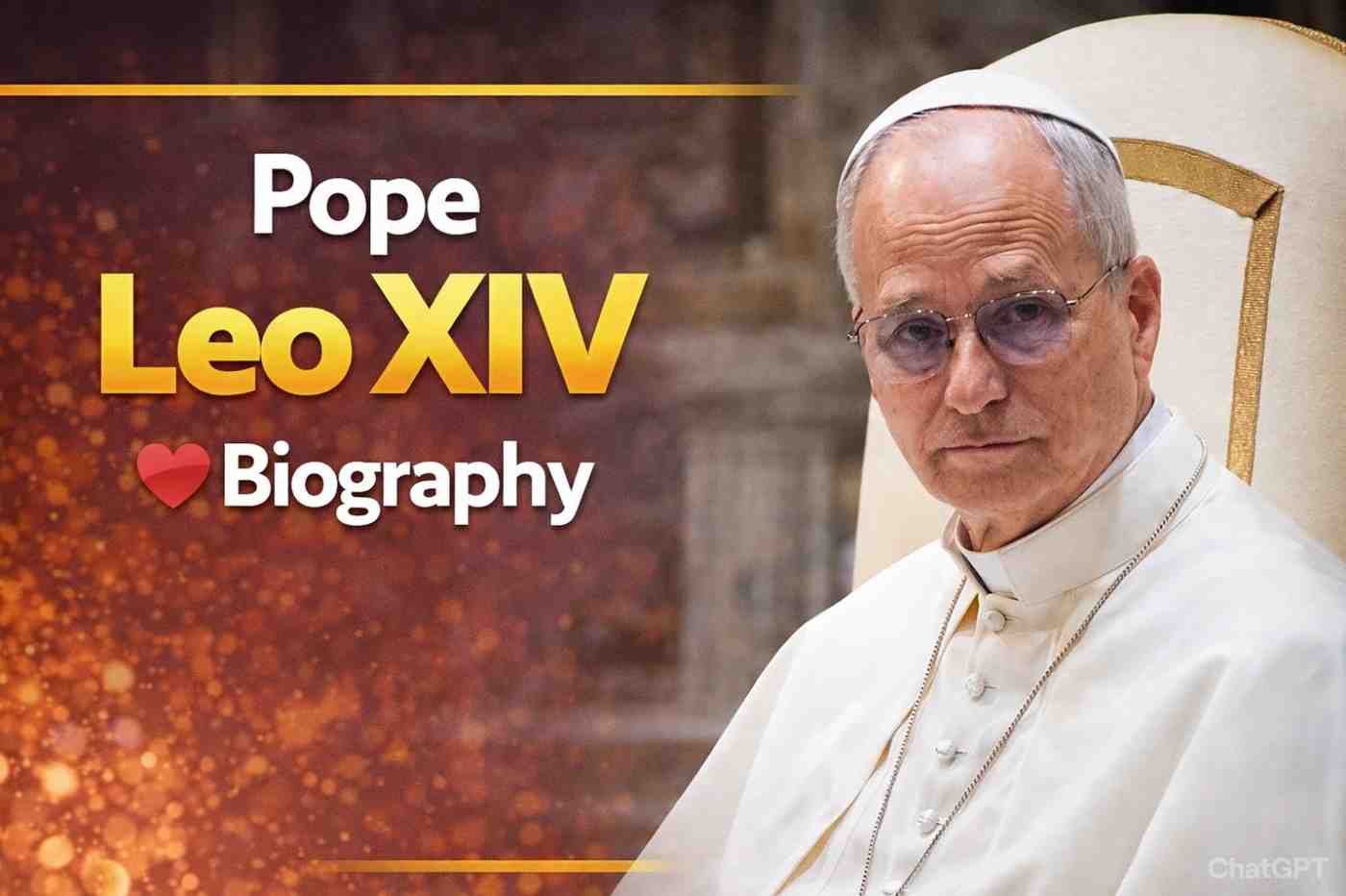
By engaging directly with Muslim religious leaders and participating in moments of silent prayer within the mosque, Pope Leo XIV followed a precedent set by his predecessors in promoting Catholic-Muslim understanding. Such gestures are viewed by theologians and diplomats alike as vital components of sustained interfaith engagement, especially amid rising global tensions related to religion and identity.
Context of the Apostolic Journey
Pope Leo XIV’s African tour reflects a broader strategic focus by the Vatican on strengthening ties with the Global South. With rapid growth in Catholic communities across sub-Saharan Africa, papal visits to the region have become more frequent in recent pontificates. The current journey includes high-level meetings with heads of state, visits to humanitarian projects, and addresses focused on peacebuilding, anti-corruption, and human dignity.
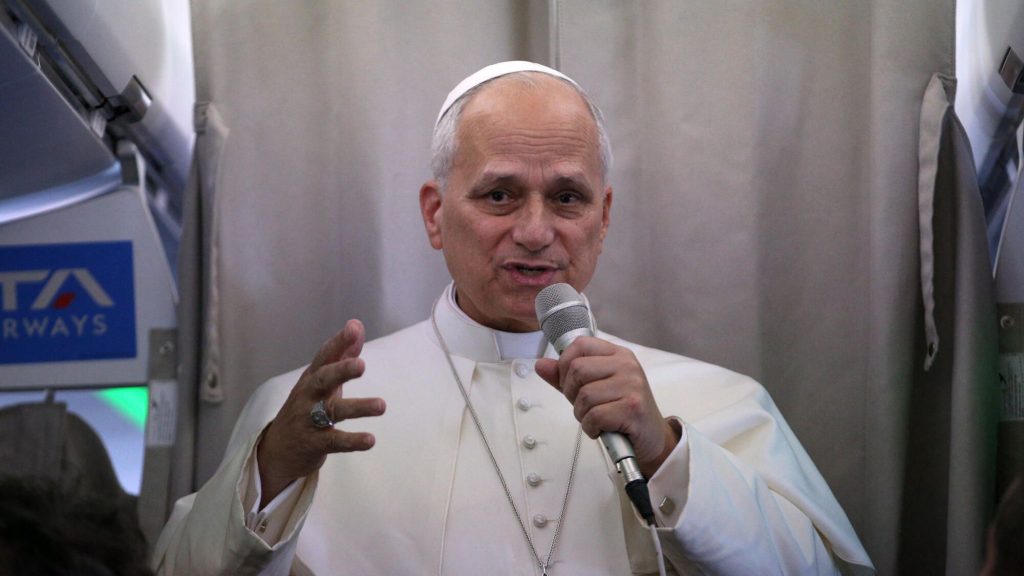
In Cameroon, the Pope is expected to address government officials on the need to combat corruption and uphold human rights, continuing a theme from his Algerian remarks about justice and ethical leadership. Similar topics are anticipated in Angola and Equatorial Guinea, where governance challenges and social inequality remain pressing concerns.
The timing of the visit—mid-April 2026—coincides with heightened international attention on the Pope’s public statements, particularly those contrasting with political rhetoric from Western leaders. His emphasis on peace, humility, and solidarity has positioned him as a moral counterpoint to narratives of division and confrontation.
Interfaith Dialogue in North Africa
Algeria has maintained a constitutionally recognized framework for religious freedom, though the state religion is Islam. Despite the small size of the Catholic community, the Church operates schools, clinics, and charitable organizations that serve people of all faiths. The Pope’s acknowledgment of Algeria’s spirit of coexistence reflects ongoing efforts by both religious and civil institutions to nurture mutual respect.
His visit contributes to a legacy of papal engagement with the Muslim world, including historic trips by Pope John Paul II to Morocco and Pope Francis to the United Arab Emirates and Iraq. Each journey has sought to affirm shared values whereas addressing points of theological and social difference with honesty and respect.
The Vatican’s approach emphasizes that dialogue does not require doctrinal compromise but rather a commitment to listening, recognizing common ground, and working together on issues such as poverty, conflict resolution, and environmental stewardship.
Next Steps in the Pilgrimage
Following his departure from Algeria, Pope Leo XIV is scheduled to travel to Yaoundé, Cameroon, where he will meet with President Paul Biya and deliver a major address on ethical governance and social justice. The Cameroonian leg of the journey is expected to draw significant attention due to the country’s ongoing struggles with corruption allegations and calls for democratic reform.
Updates on the Pope’s movements, speeches, and meetings are being published in real time by Vatican News and relayed through global Catholic media outlets. Official transcripts, photographs, and video recordings of his addresses are typically made available within 24 hours of each event on the Holy See’s press office website.
As the journey progresses through Central Africa, observers will be watching for how the Pope balances pastoral encouragement with prophetic critique—offering comfort to the faithful while challenging leaders to uphold the dignity of every person.
For ongoing coverage of Pope Leo XIV’s apostolic visit to Africa, including schedules, texts of speeches, and reactions from local communities, readers can refer to the Vatican’s official information portal.
We invite you to share your thoughts on this historic interfaith moment in the comments below and to spread the word by sharing this article with others who value peaceful dialogue across cultures and religions.
Worth a look