
In a historic first for the Catholic Church, Pope Leo XIV arrived in Algiers on Monday, April 13, 2026, marking the first time a pontiff has visited Algeria. The visit, which serves as the opening of an eleven-day apostolic journey across Africa, began with a powerful gesture of reconciliation as the Pope called for “pardon” while honoring the victims of the Algerian War of Independence.
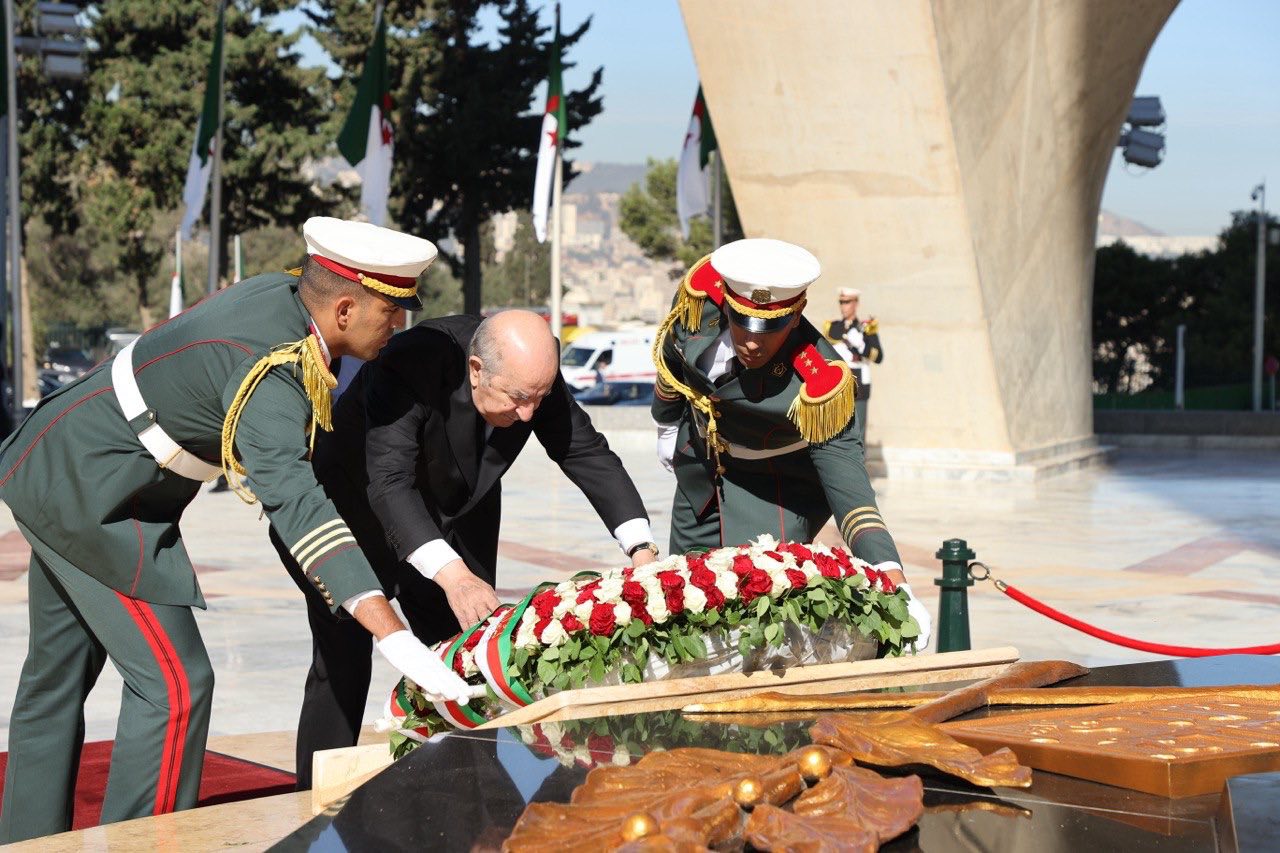
The sovereign pontiff appeared visibly moved during his visit to the Martyrs’ Memorial in Algiers, where he deposited a bouquet of white roses. This act of remembrance was dedicated to those who died during the bloody conflict against France between 1954 and 1962, a period that remains central to Algeria’s national identity and history Le Monde.
The visit comes amid significant geopolitical tension. Before landing in Algiers, Pope Leo XIV faced sharp criticism from U.S. President Donald Trump, who described the pontiff as “weak” and “catastrophic” regarding foreign policy on the Truth Social platform. Despite these frictions, the Pope maintained a composed stance, stating to journalists during his flight from Rome that he had no “intention of entering into a debate” with the American president and expressed that he was not “afraid” of the U.S. Administration 20 Minutes.
A Gesture of Reconciliation at the Martyrs’ Memorial
The centerpiece of the first day of the visit was the stop at the monument des martyrs. Under rainy conditions and heavy security, Pope Leo XIV spent several moments in silent reflection after laying the white roses. The gesture was widely interpreted as a recognition of the “painful national history” of Algeria and a call for healing the wounds of the past Le Figaro.
By specifically calling for “pardon” at this site, the Pope addressed the legacy of the war for independence (1954-1962), seeking to foster an “espirit réconcilié” (reconciled spirit) between the victims of the conflict and the broader international community. This spiritual approach to diplomacy is a hallmark of the Pope’s current international tour, which aims to bridge divides between different faiths and nations.
Navigating Diplomatic Tensions and Political Friction
The arrival of the pontiff in Algiers was not without diplomatic complexity. While the Pope was welcomed with honors, reports indicated that the French ambassador was not present to greet him upon arrival Le Figaro. This absence occurs against the backdrop of the Pope’s public call for pardon regarding the war fought against France.
the Pope’s first major international tour since his election has been clouded by a public clash with the United States. President Donald Trump’s critique followed the Pope’s remarks concerning conflicts in the Middle East. While the U.S. Administration has been critical, other world leaders have offered their support. Italian Prime Minister Giorgia Meloni, despite her known closeness to Donald Trump, wished the Pope a fruitful journey, a move seen as a gesture of support for the head of the Catholic Church 20 Minutes.
The support for Leo XIV has also extended to the clergy, with both Italian and American bishops issuing statements of backing for the sovereign pontiff as he navigates these political headwinds.
The Religious Landscape: From Saint Augustine to the Modern Era
Beyond the political symbolism of the Martyrs’ Memorial, the Pope’s visit focuses heavily on the “deep religious sense of the Algerian people.” Algeria possesses a rich, though complex, Christian history. The Pope is expected to honor the legacy of Saint Augustine, the bishop of Hippo (Annaba), whose influence remains a cornerstone of early Christian thought.

The itinerary also includes a visit to Bab el-Oued, where the Pope will meet with Augustinian nuns. This visit is particularly poignant as two of the sisters were victims of the fanatical violence of the 1990s—the “Black Decade”—and were beatified in 2018 Le Figaro. The Pope will also honor the memory of the late Bishop Claverie of Oran, another martyr of that violent era.
The visit highlights the dichotomy of religious freedom in contemporary Algeria. While the Algerian Constitution officially enshrines religious liberty, reports suggest that practical obstacles remain. Evangelical Christians, in particular, have faced the closure of churches and the imprisonment of leaders on charges of “proselytism,” whereas the Catholic Church generally experiences a more stable environment Le Figaro.
Key Highlights of the Visit
- Historic First: The first time a Pope has ever visited Algeria.
- Symbolic Act: Laying white roses at the Martyrs’ Memorial to honor victims of the 1954-1962 war.
- Call for Pardon: A public appeal for forgiveness and reconciliation regarding colonial-era violence.
- Diplomatic Friction: Public criticism from U.S. President Donald Trump regarding the Pope’s foreign policy.
- Spiritual Focus: Honoring the legacy of Saint Augustine and martyrs of the 1990s “Black Decade.”
As Pope Leo XIV continues his two-day visit to Algeria and his broader eleven-day journey through Africa, the world watches to see if these gestures of “pardon” can translate into lasting diplomatic and interfaith bridges. The next scheduled phase of the journey will involve further apostolic activities across the African continent.
World Today Journal encourages its readers to share this story and join the conversation in the comments below regarding the role of religious leadership in geopolitical reconciliation.