Public health authorities in the Netherlands have taken precautionary measures following the admission of a patient suspected of having contracted Ebola. The individual, who recently returned from a region currently experiencing an outbreak of the virus, is being held in isolation at a specialized hospital unit designed to manage high-consequence infectious diseases.
The situation highlights the stringent protocols maintained by European healthcare systems to prevent the spread of viral hemorrhagic fevers. While a possible ebola-besmetting (possible Ebola infection) remains under investigation, officials emphasize that these steps are part of a standard, highly controlled response strategy intended to protect both the public and clinical staff.
Understanding Ebola and Public Health Containment
Ebola virus disease (EVD) is a severe, often fatal illness in humans, characterized by sudden onset of fever, fatigue, muscle pain, headache, and sore throat. According to the World Health Organization (WHO), the virus is transmitted to people from wild animals and spreads in the human population through human-to-human transmission. Because of its high mortality rate, international health regulations require rapid identification and strict isolation of any suspected cases.
When a patient presents with symptoms and a relevant travel history to an affected area, hospitals activate specialized isolation wards. These units are equipped with advanced air filtration systems, rigorous waste management protocols, and staff trained in the use of high-level personal protective equipment (PPE). These measures are designed to ensure that even if a diagnosis is confirmed, the risk of transmission within the hospital environment remains effectively zero.
The Response in the Netherlands
The decision to place the patient in a specialized isolation ward reflects the Netherlands’ commitment to global health security. By utilizing facilities specifically prepared for high-consequence pathogens, the Dutch healthcare system ensures that diagnostics can be performed safely while awaiting laboratory confirmation from national reference centers. The National Institute for Public Health and the Environment (RIVM) typically oversees the coordination of such responses, working in tandem with local hospital infectious disease specialists to ensure all safety parameters are met.
It is important to distinguish between a suspected case and a confirmed diagnosis. In many instances, symptoms initially attributed to Ebola may be caused by other tropical diseases, such as malaria or typhoid fever, which are significantly more common among travelers. The isolation of a patient is a standard diagnostic precaution rather than an indicator of a confirmed outbreak within the country.
Global Context and WHO Collaboration
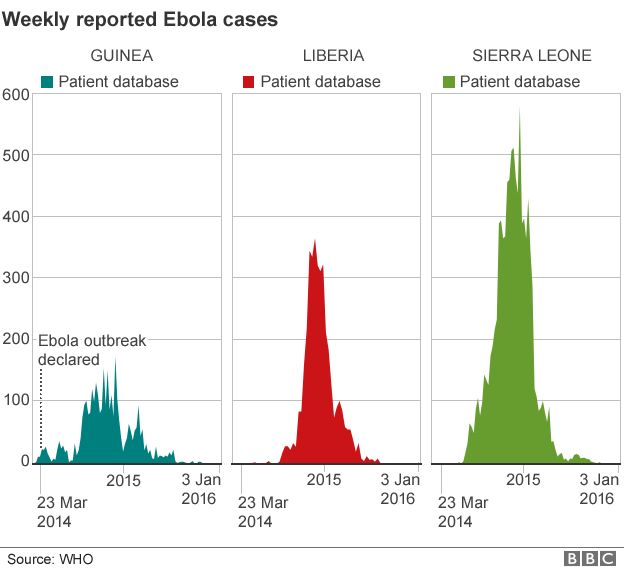
The current international focus remains on the epicenters of active outbreaks, primarily in parts of Central and West Africa. The World Health Organization continues to deploy expert staff and medical supplies to these regions to support local efforts in contact tracing, vaccination, and clinical management. Coordination between the WHO and national health agencies, such as those in the Netherlands, is vital for monitoring global health threats and ensuring that international travel does not facilitate the spread of the virus.
Key Takeaways for Public Awareness
- Precautionary Isolation: Admission to a specialized unit is a standard safety measure, not a confirmation of disease.
- Diagnostic Testing: Laboratory confirmation is required to verify the presence of the Ebola virus; results are typically prioritized for speed and accuracy.
- Low Risk to the Public: Strict hospital protocols and contact tracing effectively eliminate the risk of community spread in the event of a suspected case.
- Official Guidance: Residents are encouraged to monitor updates from their national health ministry or the World Health Organization for verified information regarding travel advisories and health alerts.
Health authorities are expected to provide further updates once the laboratory results are finalized and reviewed by medical experts. As we monitor the situation, we remind our readers that maintaining perspective is crucial; these protocols exist precisely because they are effective at containing potential threats before they become public health emergencies.
We will continue to provide updates as official statements are released by the relevant health ministries. If you have questions or concerns regarding health travel protocols or the current status of this case, please share your thoughts in the comments section below or refer to official government health portals for the most recent advisories.