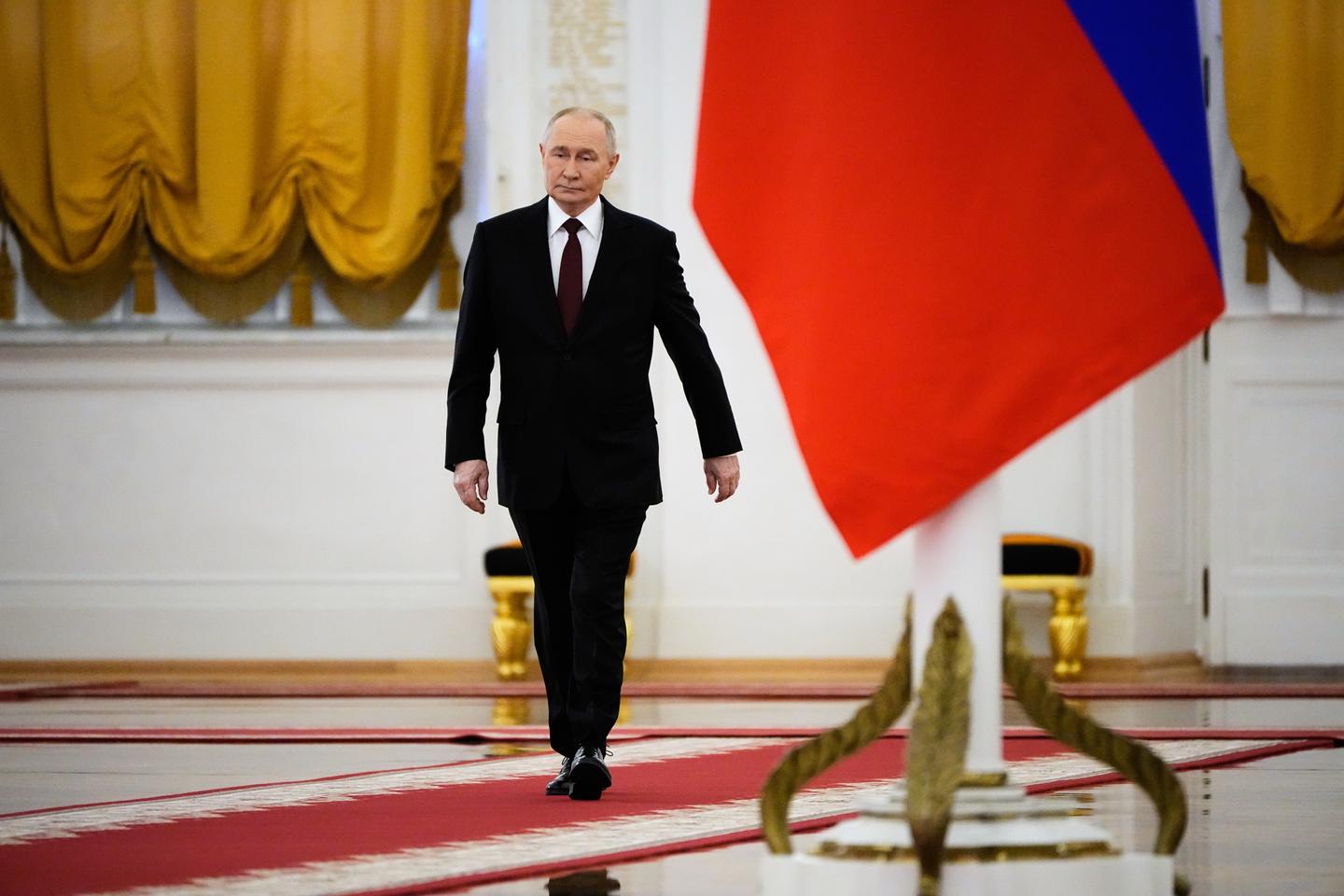
Decoding PutinS silence: Strategy and the Shifting Sands of the Ukraine Conflict
Vladimir Putin’s recent quietude following his initial praise of Donald Trump’s proposed peace plan is a calculated move, not a sign of disengagement. It reflects a deeper strategy rooted in leveraging time and shifting battlefield dynamics. Understanding this silence requires looking beyond immediate reactions and delving into the Kremlin’s long-term objectives.
Putin fundamentally dislikes appearing reactive or pressured. Currently, he’s strategically shifting the onus onto Ukraine and European nations. Essentially, he’s allowing them to navigate the complexities of negotiations, positioning Russia to declare failure – and blame them – should talks falter.
However, this isn’t simply a passive waiting game.Putin is simultaneously pursuing multiple scenarios, confident that time is on his side. A core principle remains unwavering: Russia will not accept any resolution that doesn’t implicitly acknowledge gains made during the conflict.
A Strengthened Position
the kremlin’s confidence stems from a perceived strengthening of its position since the August summit with Donald Trump. Several factors contribute to this shift:
* Military Advances: Russian forces have made territorial gains, altering the battlefield landscape.
* Ukrainian Political Challenges: Allegations of corruption within the ukrainian government have introduced instability and weakened the nation’s political standing.
* Western Hesitation: Growing concerns about continued aid to Ukraine within Western nations are creating opportunities for Russia.
This confluence of factors allows Putin to dictate the terms of engagement, demanding a comprehensive peace agreement before any cessation of hostilities. He understands that a temporary ceasefire could led to protracted, fruitless negotiations.
The cynical Calculus of Pressure
Putin is actively supporting discussions, but simultaneously maintaining – and even increasing – military pressure on Kyiv. This seemingly contradictory approach serves a crucial purpose: to signal to the West that concessions are necessary.
Consider this: if political concessions aren’t forthcoming, Russia is prepared to sustain the conflict for an extended period. This isn’t a threat made lightly. It’s a demonstration of resolve, a calculated risk designed to force a resolution favorable to Moscow.
You might be wondering why this approach feels so…calculated. It’s because it is. Putin’s leadership style is characterized by meticulous planning and a willingness to exploit vulnerabilities. He’s a master of strategic patience,and this current situation is a prime example.
What This Means for You
As you follow the developments in Ukraine, remember that silence can be as telling as any statement. Putin’s current approach isn’t about abandoning diplomacy; it’s about maximizing leverage.
Understanding this dynamic is crucial for interpreting future events and assessing the potential for a lasting resolution. The path forward will likely be complex and fraught with challenges, but recognizing the underlying strategic calculations will help you navigate the evolving landscape. Ultimately, the fate of Ukraine – and the broader geopolitical order - hinges on the ability of all parties to navigate this delicate balance of power.
Worth a look
- Stunning Australian Wildlife Encounter: Photographer Mistakes Blood for Predator Attack
- Tonight’s Weather: Showers and Storms Continue Before Clearing
- The Senate Blue Slip, Explained: The Custom Trump Wants Gone (daybreakwire.com)
- At typically tranquil Camp David, Trump publicly lashes out at political enemies (archyworldys.com)