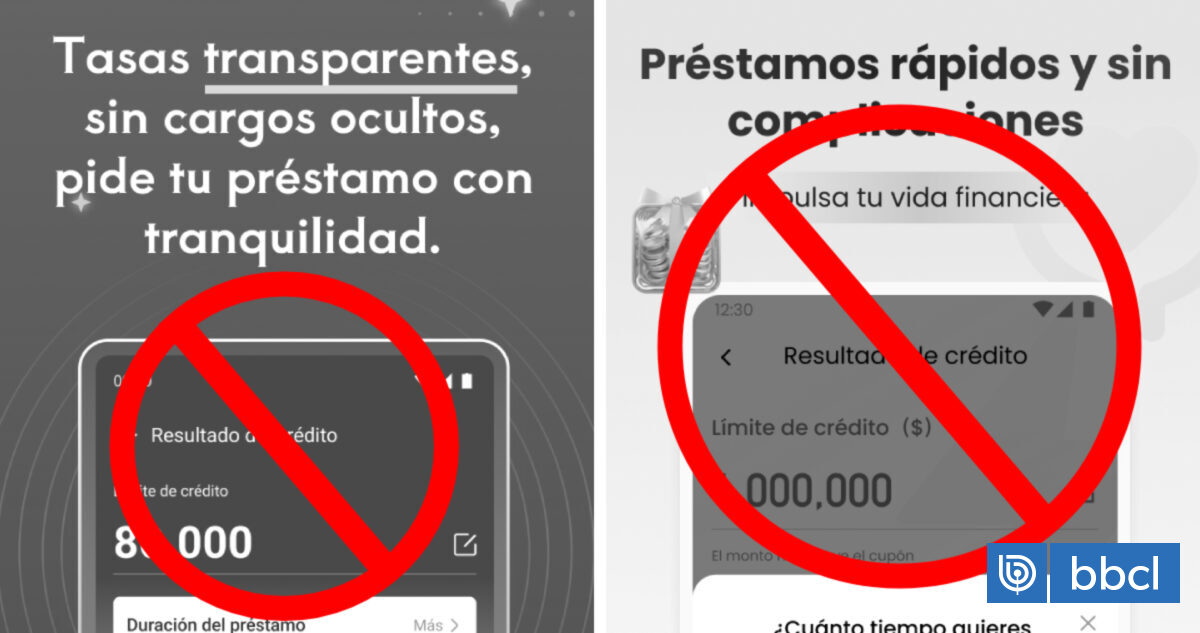
Chile’s Financial Regulator Warns Against 12 Loan Apps Using Extortion Tactics
The Chilean Financial Market Commission (CMF) has issued a formal warning against 12 mobile loan applications for employing “extortionate techniques” and potentially charging usurious interest rates. According to the regulator, these digital platforms operate outside the legal framework of the Chilean financial system and utilize aggressive collection methods that target the personal data of borrowers.
The CMF, which oversees the stability and transparency of Chile’s financial markets, stated that these applications lack the necessary authorization to provide credit services within the country. The regulator’s announcement follows a rise in reports from consumers regarding harassment, threats, and the unauthorized use of personal information by unregulated lenders.
What are the specific allegations against the loan applications?
The CMF’s investigation centers on two primary violations: the use of extortionate collection methods and the application of interest rates that may constitute usury. While the regulator has identified a group of 12 apps, specific entities such as “App Cuota Smart” have been highlighted in reports regarding these predatory practices. The commission noted that these platforms do not appear in the official registry of supervised financial institutions.
Regulators have observed that these apps often entice users with the promise of “fast, no-requirement” cash. However, once a loan is granted, the collection process shifts from standard financial transactions to psychological and digital harassment. The CMF warned that these entities are not bound by the consumer protection laws that govern legitimate banks and credit unions in Chile.
The commission emphasized that because these apps are not part of the supervised financial system, borrowers have little to no legal recourse through traditional banking channels when faced with illegal collection tactics. This lack of oversight is a central component of the risk identified by Chilean authorities.
How do these digital loan apps execute extortion?
The extortion tactics used by these unregulated apps typically begin during the initial installation process. To access the requested funds, users are often required to grant the application extensive permissions on their mobile devices. These permissions frequently include access to contact lists, photo galleries, GPS location data, and even social media profiles.
Once the lender has harvested this data, they use it as leverage during the collection phase. If a borrower misses a payment or is unable to meet the high interest demands, the following tactics have been reported to users:
- Contact Harassment: Collectors send threatening messages or make repeated phone calls to the borrower’s friends, family, and colleagues found in the device’s contact list.
- Social Shaming: Some apps have been accused of contacting a user’s social media connections to inform them of the borrower’s debt, aiming to cause social embarrassment and pressure.
- Data Misuse: In extreme cases, lenders may use private photos or personal information to blackmail users into making payments they cannot afford.
- False Legal Threats: Collectors often pose as law enforcement or judicial officials to intimidate borrowers into immediate compliance.
Financial analysts note that this “digital gota a gota” model—a term used in Chile to describe predatory, high-interest informal lending—is designed to create a cycle of debt through fear rather than through structured repayment schedules.
The distinction between regulated and unregulated lenders in Chile
Understanding the difference between a legitimate financial institution and a predatory app is critical for consumer safety. In Chile, all entities providing credit services must be registered and supervised by the CMF. These supervised entities are subject to strict regulations regarding interest rate caps, data privacy, and professional debt collection standards.
The primary differences identified by regulators include:
| Feature | Regulated Financial Institutions | Unregulated Loan Apps |
|---|---|---|
| Legal Status | Authorized by the CMF | Unsupervised/Illegal |
| Interest Rates | Subject to legal ceilings | Often usurious/unregulated |
| Data Privacy | Strictly governed by privacy laws | Aggressive data harvesting |
| Collection Methods | Legal and professional | Extortionate and harassing |
The CMF advises all citizens to verify the legitimacy of any lender by consulting the official “Registro de Entidades Supervisadas” (Registry of Supervised Entities) available on the commission’s website. If a company or application is not listed, it should be treated as a high-risk entity.
Steps for consumers to protect themselves from predatory lending
To avoid falling victim to these extortionate schemes, financial experts and Chilean regulators recommend several preventative measures. The most effective defense is to avoid downloading any loan application that does not have a verified presence in the CMF registry.
If a consumer has already interacted with an unregulated app, authorities suggest the following actions:
- Limit App Permissions: Immediately revoke all permissions for the offending app in the mobile device settings, specifically denying access to contacts and media.
- Secure Accounts: Change passwords for email and social media accounts, as these apps may attempt to harvest credentials.
- Report to Authorities: File a formal complaint with the CMF and report the extortion attempts to the PDI (Policía de Investigaciones de Chile) or Carabineros de Chile.
- Notify Contacts: Inform close contacts that your device may have been compromised by a predatory app and to disregard any suspicious messages regarding your finances.
The CMF has reiterated that while the regulation of mobile applications presents a complex technological challenge, the responsibility for verifying the legitimacy of a financial service remains a critical component of personal financial security.
Frequently Asked Questions
Is it legal for a loan app to contact my friends if I miss a payment?
No. In Chile, legitimate debt collection must respect individual privacy and cannot involve harassing third parties, such as friends or family members, to pressure a debtor. Such actions are considered a violation of consumer rights and can constitute extortion.
How can I check if a lender is authorized in Chile?
You should visit the official website of the Comisión para el Mercado Financiero (CMF) and search their registry of supervised entities. If the lender is not listed, they are not authorized to operate in the regulated financial market.
What should I do if an app is threatening me with my personal photos?
This is a criminal matter. You should immediately contact the police (Carabineros or PDI) to report extortion and blackmail. Do not pay the extortionists, as this often leads to further demands for money.
The CMF is expected to continue its monitoring of the digital lending market and may release further updates or specific lists of prohibited applications as investigations proceed. For the latest official advisories, consumers should monitor the CMF’s formal communication channels.
Have you encountered issues with mobile lending applications? Share your experience in the comments below to help inform others, and share this article to spread awareness.