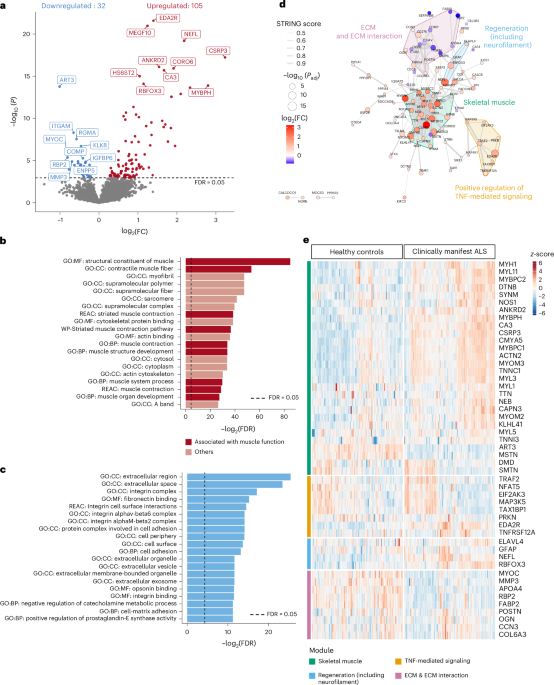
Longitudinal plasma proteomics can successfully predict phenoconversion to clinically manifest amyotrophic lateral sclerosis (ALS) in unaffected carriers of pathogenic genetic variants, according to recent research published in Nature Medicine. By tracking early protein trajectory changes in the blood plasma of individuals carrying high-risk mutations before the onset of motor symptoms, investigators have opened a new pathway for early disease detection and risk stratification in neurodegenerative medicine.
Amyotrophic lateral sclerosis is a fatal neurodegenerative condition characterized by the progressive degeneration of motor neurons in the brain and spinal cord. While the majority of cases are sporadic, a notable proportion are linked to known genetic mutations. Identifying the precise window when a pre-symptomatic carrier transitions to clinical symptom manifestation—known as phenoconversion—has historically remained a major clinical challenge. The latest findings demonstrate that high-throughput proteomic profiling of longitudinal plasma samples can detect subtle molecular shifts long before standard neurological exams reveal physical impairment.
Rather than reacting to visible motor neuron loss, future therapeutic trials may rely on plasma proteomic trajectories to intervene at the earliest biological stages of the disease process.
Tracing Plasma Protein Trajectories Before Symptom Onset
The study mapped longitudinal changes in blood plasma proteins among asymptomatic individuals who carry established pathogenic variants associated with ALS. By collecting and analyzing serial plasma samples over extended monitoring periods, the research team identified distinct molecular signatures that deviate from baseline levels prior to clinical diagnosis.
Proteomics allows scientists to measure hundreds or thousands of proteins simultaneously, providing a comprehensive snapshot of systemic biological activity. In pre-symptomatic ALS carriers, specific inflammatory, metabolic, and neuronal injury markers exhibited progressive trajectory shifts months or years before clinical phenoconversion occurred. These protein signatures not only signal the initiation of neurodegenerative processes but also offer clues regarding the timing of upcoming symptom onset.
Pinpointing the exact window of phenoconversion addresses a critical bottleneck in clinical trial design. Therapeutic interventions tested after a patient develops widespread motor weakness often arrive too late to halt neuronal death. Detecting protein trajectory alterations in blood plasma creates a reliable screening mechanism to identify optimal intervention windows.
Clinical Implications for Genetic Carriers and Trial Design
For individuals who carry hereditary ALS mutations, routine surveillance through blood-based biomarkers introduces a shift in clinical management. Monitoring plasma protein profiles can reduce uncertainty and assist specialized neurology centers in tracking disease activity before irreversible functional decline begins.
Furthermore, clinical researchers designing disease-modifying therapies face immense difficulties in selecting patient cohorts for prevention trials. Enrolling symptomatic patients limits the potential to preserve existing motor function. By utilizing longitudinal plasma proteomics, clinical trials can recruit pre-symptomatic variant carriers based on objective biological staging rather than waiting for physical symptoms to appear.
However, the capacity to forecast phenoconversion through a routine blood draw represents a major milestone in neurodegenerative research.