
Pregnancy after 40 is no longer rare—but the medical and emotional realities for women in this age group demand careful consideration. While advances in reproductive medicine have made later-in-life pregnancy more achievable, the risks are significantly higher than for younger women. As fertility declines with age, so too do the body’s resilience and the fetus’s chances of developing complications. For women weighing this path, understanding the science, preparing for potential challenges, and accessing the right care can make all the difference.
Globally, the number of women giving birth after 40 has risen steadily over the past two decades, driven by factors like delayed marriage, career priorities, and access to assisted reproductive technologies. Yet, the data on maternal and fetal risks is clear: the older the mother, the greater the likelihood of complications such as gestational diabetes, preeclampsia, and chromosomal abnormalities like Down syndrome. How do these risks compare to those for younger mothers? And what steps can women over 40 take to mitigate them? This article explores the evidence, the emotional toll, and the practical guidance every woman should know before embarking on pregnancy after 40.
For context, the World Health Organization (WHO) and major obstetric guidelines classify advanced maternal age as 35 and older, with risks escalating further after 40. While the decision to pursue pregnancy at this stage is deeply personal, the medical community emphasizes the importance of informed consent—understanding both the possibilities and the potential challenges. Below, we break down the key risks, the role of prenatal care, and the emotional and logistical considerations for women and their families.
Understanding the Risks: Why Age Matters in Pregnancy
The biological clock is not just a metaphor—it reflects real physiological changes. Women are born with a finite number of eggs, and by their 40s, both the quantity and quality of those eggs have declined significantly. This decline correlates with higher rates of:
- Chromosomal abnormalities: The risk of Down syndrome increases from about 1 in 1,250 births for women aged 25 to 1 in 100 births for women aged 40, according to genetic screening data.
- Gestational diabetes: Women over 40 are nearly twice as likely to develop this condition, which can lead to larger babies and delivery complications.
- Preeclampsia: A pregnancy-specific form of high blood pressure, preeclampsia affects about 5–8% of all pregnancies but is more common in older mothers.
- Miscarriage and stillbirth: The risk of miscarriage rises with age, from about 10–15% in the late 20s to 20–30% by age 40.
Yet, it’s critical to note that not all pregnancies after 40 result in complications. Many women in this age group deliver healthy babies with proper prenatal care and monitoring. The key lies in preparation, early intervention, and a proactive approach to health.
The Role of Prenatal Care: What Women Over 40 Need to Know
Routine prenatal visits are essential for all pregnant women, but they become even more critical for those over 40. Obstetricians recommend:
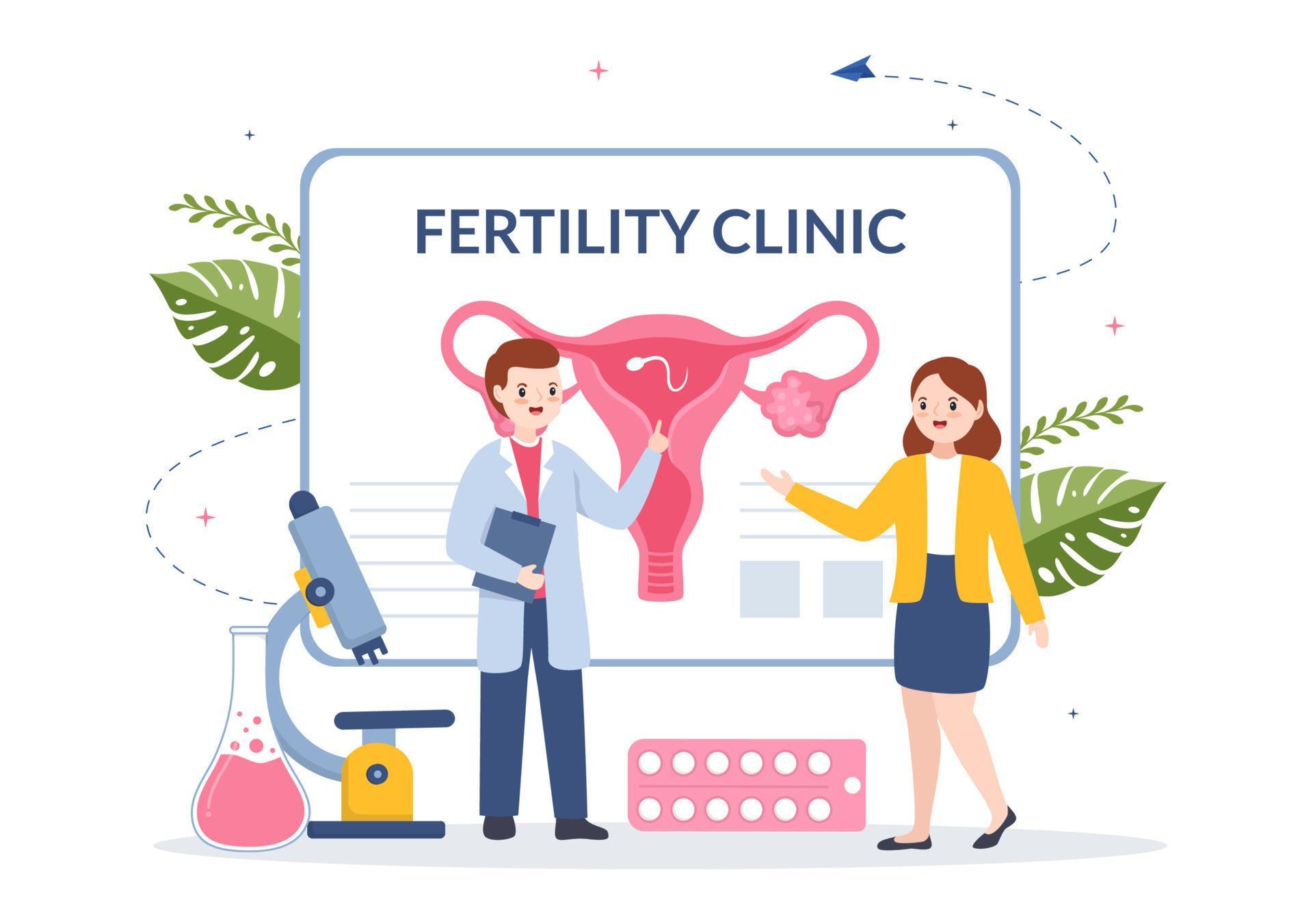
- Early and frequent screenings: Blood tests, ultrasounds, and genetic screening (such as non-invasive prenatal testing or amniocentesis) should be scheduled as early as possible to detect potential issues.
- Close monitoring of chronic conditions: Women over 40 are more likely to have pre-existing conditions like hypertension or thyroid disorders, which require careful management during pregnancy.
- Specialized care: High-risk obstetricians or maternal-fetal medicine specialists can provide additional support and tailored advice.
lifestyle factors play a pivotal role. A balanced diet rich in folate, iron, and omega-3 fatty acids—along with regular exercise and avoidance of smoking and excessive alcohol—can help optimize outcomes. The NIH’s guidelines on nutrition for women of childbearing age emphasize that these habits are particularly vital for women over 35.
Emotional and Logistical Considerations: Planning for Parenthood After 40
Beyond the physical risks, women over 40 often face unique emotional and logistical challenges. The decision to pursue pregnancy at this stage may stem from personal, familial, or societal pressures, and it’s important to approach it with both optimism and realism.
Financially, raising a child into adulthood requires significant resources. Women in their 40s may need to consider:
- Career stability and parental leave policies.
- Long-term childcare planning, including potential needs for special education or medical support.
- Family support systems, as the physical demands of parenting may differ from those experienced earlier in life.
Emotionally, the journey may involve grappling with societal perceptions, fertility treatments, or even the possibility of a high-risk pregnancy. Support groups, counseling, and open conversations with partners and healthcare providers can provide invaluable guidance.
Assisted Reproductive Technologies: Options and Realities
For many women over 40, achieving pregnancy requires assisted reproductive technologies (ART) such as in vitro fertilization (IVF). While IVF success rates decline with age, advances in egg donation, genetic screening, and embryo selection have improved outcomes. However, these procedures come with their own risks, costs, and ethical considerations.
According to the Centers for Disease Control and Prevention (CDC), the live birth rate for women using their own eggs in IVF drops from about 30% in the early 40s to less than 5% by age 43. Egg donation, where a younger woman’s eggs are used, can significantly improve success rates but introduces additional emotional and legal complexities.
What the Future Holds: Research and Hope on the Horizon
Ongoing research in reproductive medicine offers hope for women seeking pregnancy after 40. Areas of innovation include:
- Egg rejuvenation: Experimental techniques aimed at restoring egg quality through mitochondrial transfer or epigenetic reprogramming.
- Non-invasive prenatal testing: Improvements in genetic screening that reduce the need for more invasive procedures.
- Maternal health monitoring: Wearable technology and AI-driven tools to track fetal and maternal well-being in real time.
While these advancements are promising, it’s important to approach them with caution. Many remain in experimental stages, and their long-term safety and efficacy are still under study. Women considering these options should consult with specialists and weigh the benefits against the risks.
Key Takeaways for Women Over 40 Considering Pregnancy
- Risks are higher, but not insurmountable: While complications are more likely, many women over 40 have healthy pregnancies and deliveries with proper care.
- Prenatal care is non-negotiable: Early and frequent screenings, along with a high-risk obstetrician, can improve outcomes.
- Lifestyle matters: Nutrition, exercise, and avoiding harmful substances are critical at every stage.
- Emotional and financial planning is essential: Support systems and realistic expectations can ease the journey.
- Assisted reproduction may be necessary: IVF and egg donation are viable but come with unique considerations.
The decision to become pregnant after 40 is deeply personal, and there is no one-size-fits-all answer. For those who pursue it, the path requires vigilance, preparation, and a strong support network. As the medical community continues to advance, women in this age group have more options than ever—but the importance of informed decision-making remains paramount.
For the latest updates on maternal health guidelines, visit the World Health Organization or consult with a maternal-fetal medicine specialist. If you or someone you know is considering pregnancy after 40, we encourage sharing your experiences and questions in the comments below. Together, we can navigate this journey with knowledge, care, and community.
Related reading