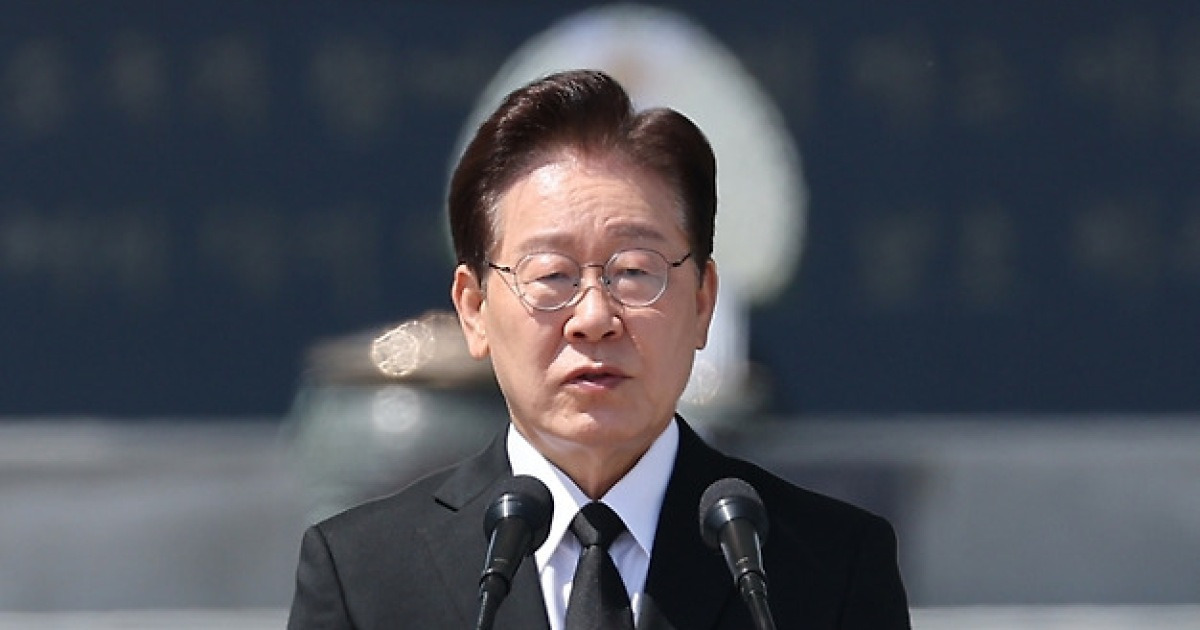
On Saturday, June 6, 2026, South Korea observed its 71st Memorial Day, a somber national occasion dedicated to honoring the men and women who sacrificed their lives for the country. During the official commemorative ceremony held at the Seoul National Cemetery, the President of South Korea delivered a keynote address that emphasized the importance of national values, integrity, and the legal accountability of those who act against the public interest.
The President’s remarks focused on the foundational principles of the Republic of Korea, particularly the necessity of maintaining a just social order. Addressing the assembly, the President stated that the nation must honor those who demonstrated true devotion to the state, while simultaneously ensuring that those who betray the community for personal gain are held accountable. This call for justice was framed as a vital step in ensuring the continued development and stability of the national community.
The Significance of Memorial Day in South Korea
Memorial Day, known in Korea as Hyeonchung-il, is one of the most significant dates on the national calendar. It serves as a day of remembrance for soldiers and civilians who perished during the Korean War and other conflicts in the service of the nation. The ceremony at the Seoul National Cemetery is the primary event, typically attended by high-ranking government officials, military leaders, and the families of the fallen.
The site itself, the Seoul National Cemetery, serves as the final resting place for many of the country’s independence activists, veterans, and presidents. By holding the ceremony at this location, the government reaffirms its commitment to the historical narrative of the state and the sacrifice required to build a democratic society. As noted by the Seoul National Memorial Board, the cemetery acts as a physical manifestation of the nation’s gratitude toward its heroes.
National Values and Accountability
In the President’s address, the concept of “devotion” versus “betrayal” served as the primary thematic structure. The administration’s stance, as articulated during the ceremony, suggests a pivot toward stricter oversight of public and private actions that may undermine national cohesion. The President emphasized that the sustainability of the national community depends on the ability of the state to distinguish between those who contribute to the common good and those who operate out of narrow, self-serving interests.
This rhetoric aligns with broader efforts within the administration to address issues of transparency and integrity. By linking the memory of the fallen to contemporary governance, the President sought to underscore that the state’s preservation is not merely a matter of military defense, but also a matter of moral and legal vigilance. The call to “punish” or “adjudicate” those who betray the community is reflective of a broader policy push to strengthen institutional trust and enforce legal standards across all sectors of society.
Key Pillars of the Commemorative Message
- Honoring Sacrifice: The President reaffirmed the state’s duty to provide support and respect to the families of patriots and veterans.
- Legal Integrity: The speech highlighted that social progress is contingent upon the rule of law and the rejection of corruption.
- National Continuity: The President framed the current generation’s responsibility as the protection of the legacy left by those who defended the nation’s sovereignty.
Public and Political Context
The 71st Memorial Day comes at a time of complex domestic challenges. As the government navigates ongoing economic and social shifts, the President’s emphasis on “community” is seen as an attempt to foster national unity. By characterizing acts of self-interest as a betrayal of the collective, the administration is signaling a zero-tolerance approach to activities that might destabilize public trust or misappropriate national resources.

Observers often look to these commemorative speeches for signals regarding the administration’s legislative and judicial priorities for the remainder of the year. The explicit mention of “punishing” those who act against the community suggests that future legislative sessions may prioritize anti-corruption measures and stricter oversight of entities that interact with state resources.
Looking Ahead
As the nation moves past the solemnities of June 6, the focus now shifts to the implementation of the policies mentioned in the President’s address. The administration is expected to continue its commemorative activities throughout the month, with various government departments scheduled to host follow-up sessions regarding veteran welfare and national security initiatives.
Citizens and interested stakeholders can monitor the progress of these initiatives through official government press briefings and updates from the Office of the President of the Republic of Korea. These channels remain the most reliable sources for information regarding upcoming legislative proposals and administrative actions aimed at fulfilling the commitments made during the Memorial Day ceremony.
What are your thoughts on the President’s emphasis on national integrity and accountability? We invite you to share your perspectives in the comments section below and join the conversation on our social media platforms.
Related reading