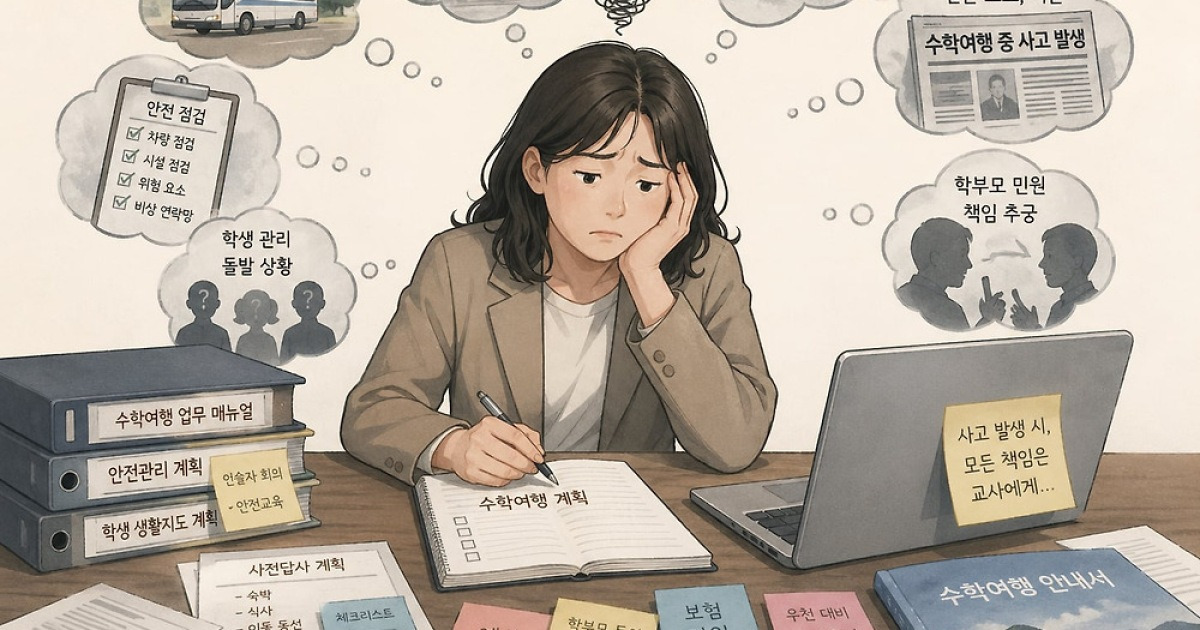
South Korean President Lee Jae-myung Questions Decline in School Field Trips, Teachers Cite Safety Concerns
Seoul, Portugal – South Korean President Lee Jae-myung has publicly questioned the decreasing number of school field trips and extracurricular activities, sparking a debate over responsibility and safety concerns within the nation’s education system. The President’s remarks, made during a cabinet meeting on April 28, 2026, have drawn a swift response from teacher’s unions, who argue that the issue stems from the potential legal and financial repercussions teachers face in the event of accidents during these activities. This situation highlights a growing tension between the desire to provide enriching educational experiences for students and the anxieties of educators regarding liability.
President Lee expressed his concern that a reluctance to accept responsibility for student safety is depriving young people of valuable learning opportunities. He suggested that the decline in field trips represents a loss for students, framing such experiences as integral to a well-rounded education. The President’s comments approach amid a broader discussion about the pressures faced by educators and the need to foster a more supportive environment for experiential learning. The core of the issue, as highlighted by the President, is the perceived unwillingness to embrace the risks inherent in providing these opportunities, ultimately limiting students’ access to them.
The Burden of Responsibility
The Korean Federation of Teachers’ Associations (KFTA) responded to President Lee’s comments with a strong rebuke, asserting that the decline in field trips is not due to a lack of initiative or a shirking of responsibility on the part of teachers. Instead, they contend that the primary deterrent is the fear of criminal prosecution, disciplinary action, and civil lawsuits in the event of an accident. Teachers are increasingly hesitant to organize these events due to the potential for severe consequences, even in cases where all reasonable safety precautions have been taken. This concern is rooted in a legal landscape where educators can be held personally liable for incidents occurring during school-sponsored activities.
According to reports, a significant factor contributing to this apprehension is the requirement for high rates of student and parent consent. If the required consent rate is not met, field trips are often cancelled, further limiting opportunities for experiential learning. This creates a situation where even with a willingness to organize activities, logistical hurdles and the fear of legal repercussions can prevent them from taking place. The KFTA argues that the current system places an undue burden on teachers, effectively punishing them for attempting to provide enriching experiences for their students.
Legal and Financial Risks for Educators
The KFTA’s statement emphasizes that the issue is not simply about a lack of enthusiasm for field trips, but rather a systemic problem stemming from the legal and financial risks associated with them. Teachers fear not only criminal charges and disciplinary action from the school administration but also the potential for costly civil lawsuits from parents. This combination of potential consequences creates a climate of fear that discourages teachers from organizing these activities, even when they believe the educational benefits outweigh the risks. The organization is calling for a comprehensive review of the legal framework surrounding school field trips and a greater emphasis on providing teachers with adequate support and protection.
The situation reflects a broader trend in South Korea, where there is increasing scrutiny of educators and a growing tendency to hold them accountable for incidents that occur during school-sponsored activities. This has led to a decline in teacher morale and a reluctance to take risks, even in the pursuit of innovative and engaging educational practices. The KFTA argues that this trend is detrimental to the overall quality of education and that a more balanced approach is needed, one that recognizes the importance of experiential learning even as also protecting the rights and well-being of teachers.
Parental Consent and Participation
The requirement for high parental consent rates adds another layer of complexity to the issue. Schools often require a near-unanimous level of consent before a field trip can be approved, making it difficult to organize these activities even when teachers are willing to do so. This requirement is intended to ensure that parents are fully informed and comfortable with the risks involved, but it can also create a situation where a small number of dissenting voices can effectively block an activity for the entire class. The KFTA argues that this system is unfair to students who want to participate and that it places an undue burden on teachers to persuade reluctant parents.
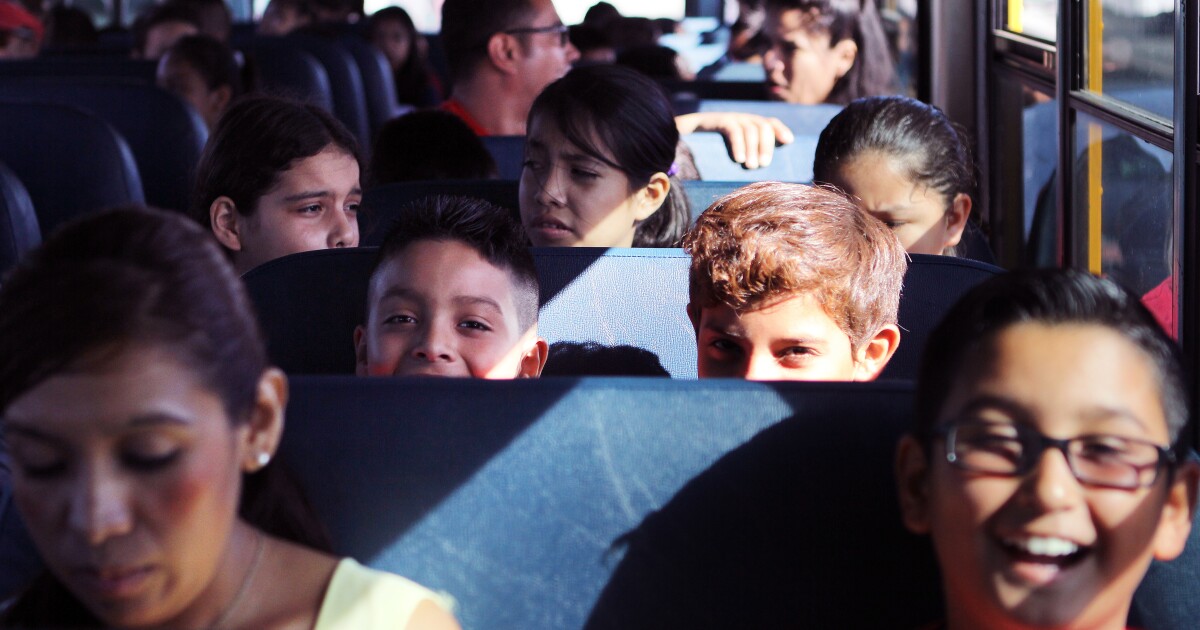
the level of parental involvement required can be substantial, adding to the workload of teachers. In addition to obtaining consent forms, teachers may also be required to provide detailed information about the trip, including safety protocols, emergency contact information, and a risk assessment. This can be a time-consuming process, particularly for teachers who are already overburdened with other responsibilities. The KFTA is calling for a more streamlined and efficient process for obtaining parental consent, one that respects the rights of parents while also minimizing the burden on teachers.
The Need for Systemic Change
The debate sparked by President Lee’s comments underscores the need for systemic change within the South Korean education system. The KFTA is advocating for a comprehensive review of the legal framework surrounding school field trips, with the goal of providing teachers with greater protection from liability. They are also calling for increased funding for safety training and resources, as well as a more supportive environment for experiential learning. The organization believes that these changes are essential to restoring teacher morale and ensuring that students have access to the enriching educational experiences they deserve.
The issue extends beyond simply legal protections; it touches upon the broader cultural context of risk aversion and accountability within South Korean society. There is a strong emphasis on avoiding mistakes and assigning blame, which can create a climate of fear and discourage innovation. Addressing this cultural dynamic will be crucial to fostering a more supportive environment for educators and promoting a more balanced approach to risk management. The KFTA’s call for systemic change represents a broader effort to address these underlying issues and create a more sustainable and equitable education system.
The next step in this unfolding situation is expected to be a meeting between representatives from the KFTA and the Ministry of Education to discuss potential solutions. The outcome of this meeting will likely shape the future of school field trips and extracurricular activities in South Korea. Readers interested in following this developing story can find updates on the Ministry of Education’s website: https://www.moe.go.kr/en/main.do. We encourage readers to share their thoughts and experiences on this important issue in the comments section below.
Related reading