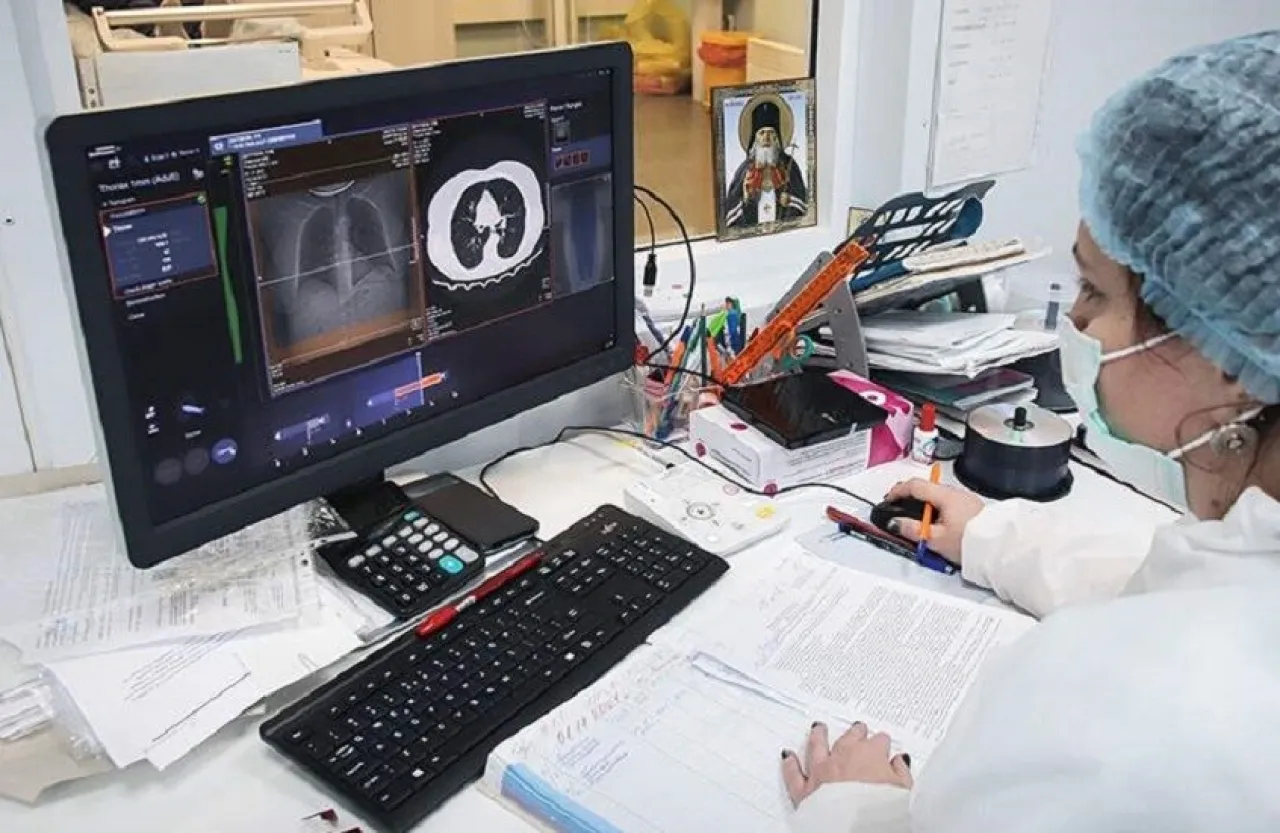
Cancer remains one of the most daunting global health challenges, often evoking fear due to its complexity and the perceived randomness of its occurrence. However, medical science is increasingly highlighting that a significant portion of cancer cases are not inevitable. By understanding the preventable causes of cancer, individuals and policymakers can shift the focus from reactive treatment to proactive prevention.
At its most basic cellular level, cancer occurs when abnormal cells divide uncontrollably and possess the ability to spread to other organs throughout the body Ministry of Health Saudi Arabia. This process is typically driven by genetic mutations in the DNA of cells, which can either be inherited from parents or acquired over a lifetime through environmental exposure and lifestyle choices.
Recent data underscores the massive potential for prevention. A global study involving the World Health Organization (WHO) and its International Agency for Research on Cancer (IARC) revealed that approximately 4 out of 10 cancer cases worldwide could have been prevented United Nations News. Specifically, the analysis found that 37% of all new cancer cases in 2022—representing more than 7 million cases—were linked to preventable causes.
For those navigating these risks, the goal is to transform “unknown fear” into “informed awareness.” By identifying the primary drivers of cellular mutation, One can implement practical changes in our daily lives to significantly lower the risk of developing the more than 100 known types of cancer.
The Primary Drivers of Preventable Cancer
The WHO analysis identified 30 preventable causes of cancer, ranging from behavioral habits to environmental hazards. Among these, a few key factors stand out as the most significant contributors to the global cancer burden.

Tobacco Use: Tobacco remains the leading preventable cause of cancer globally. According to the latest data, tobacco is responsible for 15% of all new cancer cases United Nations News. The carcinogens in tobacco products trigger the genetic mutations that lead to uncontrolled cell growth, primarily in the lungs, but affecting multiple other systems in the body.
Infectious Agents: Infections are a critical but often overlooked driver of malignancy. The WHO study attributes 10% of new cancer cases to various infections United Nations News. This includes nine specific types of cancer-causing infections, highlighting the importance of vaccinations and infectious disease control in cancer prevention.
Alcohol Consumption: Even as often consumed socially, alcohol is a recognized carcinogen. This proves estimated to be responsible for 3% of all new cancer cases globally United Nations News.
Other Significant Risk Factors
Beyond the primary drivers, the WHO research highlights several other lifestyle and environmental factors that contribute to the 37% of preventable cases:
- Body Mass Index (BMI): High body mass is linked to an increased risk of several cancer types.
- Physical Inactivity: A sedentary lifestyle contributes to cellular imbalances and metabolic issues.
- Air Pollution: Environmental pollutants can cause direct damage to the respiratory system and DNA.
- Ultraviolet (UV) Radiation: Overexposure to the sun’s rays is a primary cause of skin cancers.
Understanding the Cellular Mechanism of Cancer
To effectively prevent cancer, it is essential to understand what is happening inside the body. Cancer is essentially a disease of the genome. Every cell in our body follows a strict set of instructions encoded in the DNA. When these instructions are damaged—a process known as mutation—the cell may stop following the rules of growth and death.
These mutations can be categorized into two main types:
Inherited Mutations: Some individuals are born with genetic predispositions. These are mutations passed down through families that produce a person more susceptible to certain types of cancer, regardless of their lifestyle.
Acquired Mutations: These are mutations that occur after birth. They are often the result of the preventable factors mentioned above, such as tobacco smoke, UV radiation, or chronic infections. Over time, these acquired mutations accumulate, eventually leading to the formation of a tumor Dr. Nermeen Saleh.
Recognizing Early Warning Signs
While prevention is the priority, early detection is the second line of defense. In many cases, cancer does not present obvious symptoms in its earliest stages. However, as the disease progresses, certain “red flag” symptoms may appear that require immediate medical attention:

- Unexplained Weight Loss: Dropping weight without a clear cause (such as diet or exercise changes).
- Extreme Fatigue: Persistent exhaustion that does not improve with rest.
- Physical Changes: The appearance of new lumps, masses, or thickening in tissues.
- Skin Alterations: Changes in skin color, the appearance of new moles, or sores that do not heal.
Key Takeaways for Cancer Prevention
| Risk Factor | Estimated Impact on New Cases | Nature of Risk |
|---|---|---|
| Tobacco | 15% | Chemical carcinogens causing DNA mutation |
| Infections | 10% | Viral or bacterial triggers of cellular change |
| Alcohol | 3% | Metabolic and chemical cellular damage |
| Other Factors | Various | BMI, inactivity, air pollution, and UV radiation |
The data is clear: while we cannot change our genetics, we have significant control over our environment and behaviors. Reducing the intake of carcinogens, maintaining a healthy weight, and staying up to date with vaccinations against cancer-linked infections are the most effective tools available for reducing individual risk.
For those seeking further guidance on prevention, the World Health Organization and national health ministries provide updated guidelines on screening and lifestyle modifications to help mitigate these risks.
Do you have questions about specific prevention strategies or screening schedules? Share your thoughts in the comments below or share this article with your community to spread awareness.