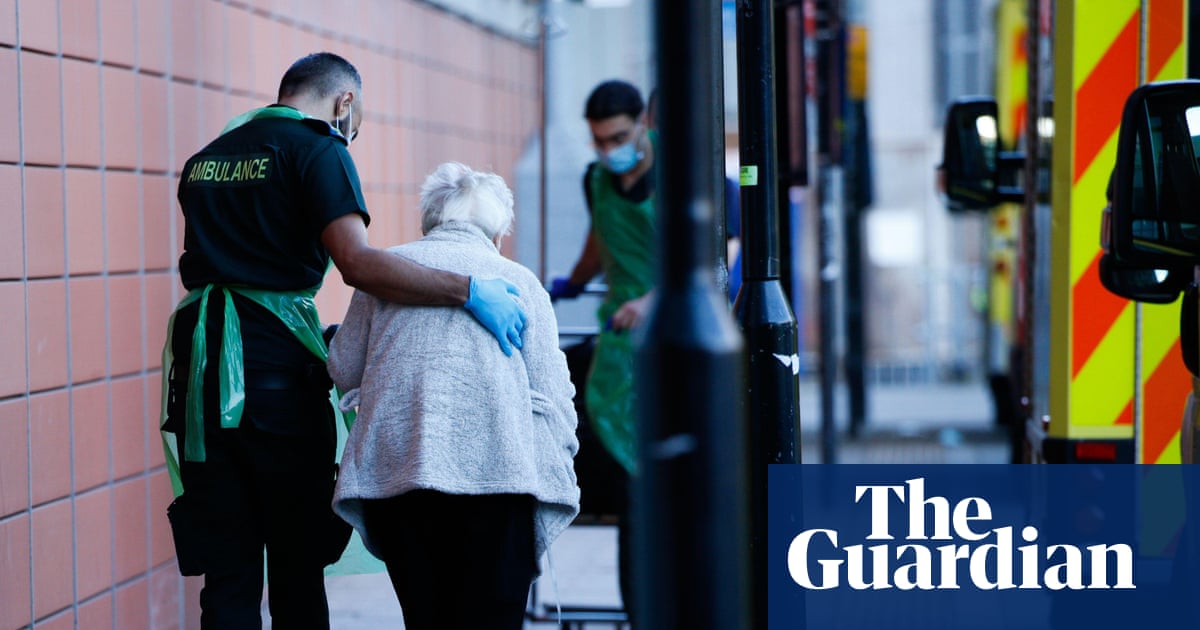
As a physician who has spent over a decade navigating the complexities of internal medicine and public health, I have often witnessed how a single, preventable event can fundamentally alter the trajectory of an older patient’s life. Among the most significant of these challenges is the crisis of falls among the elderly. Too often, these incidents are dismissed as an inevitable byproduct of the aging process, yet clinical evidence and public health data suggest a different reality: many of these life-altering accidents are preventable through targeted, multifactorial intervention.
Recent data underscores the urgency of this issue. Research from the Royal Society for the Prevention of Accidents (RoSPA) identifies falls as the leading cause of accidental death in the United Kingdom, accounting for more than 11,000 fatalities annually. Of these, over 9,000 occur in individuals aged 75 and older. Perhaps most concerning is the trajectory of these figures; reports indicate a 12% increase in the rate of fall-related deaths over a single year, signaling an urgent need for systemic changes in how we approach geriatric care and home safety.
Beyond the Clinical Setting: A Multifactorial Approach
Preventing older people from having fatal falls requires us to move beyond the constraints of a traditional, brief medical consultation. While general practitioners are the frontline of our healthcare system, they are often navigating heavy caseloads that limit the time available for the comprehensive, multifactorial assessments necessary to identify high-risk individuals. A truly effective strategy must integrate a patient’s medical history with an evaluation of their living environment, social support networks, and both physical and mental health status.
The complexity of fall prevention lies in its multifaceted nature. It is rarely just about balance or muscle strength; it involves a holistic look at potential hazards in the home, the management of medications that might cause dizziness, and the availability of community-based resources. When we rely solely on episodic care, we miss the opportunity to address these environmental and lifestyle factors before a crisis occurs.
Addressing Inequality in Healthcare Access
One of the most persistent barriers to effective fall prevention is the inequity in service provision. Currently, access to specialized falls and fracture liaison services often varies significantly depending on a patient’s geographic location. This “postcode lottery” means that the level of care an individual receives is frequently determined by where they live, rather than their clinical needs. Addressing this disparity is a core recommendation from advocates seeking to standardize care across the health system.
Equitable access to multidisciplinary teams—including physiotherapists, occupational therapists, and geriatricians—is essential. By investing in the physiotherapy workforce and ensuring that fracture liaison services are available consistently, we can provide the targeted, proactive support that vulnerable populations require. This shift would prioritize long-term wellness over reactive treatment, ultimately reducing the burden on emergency departments and improving the quality of life for our aging population.
Key Pillars of Fall Prevention
- Comprehensive Assessments: Moving toward longer, more detailed evaluations that consider both clinical health and home environments.
- Standardized Care: Eliminating regional disparities in access to fracture liaison and falls prevention services.
- Workforce Investment: Strengthening the role of specialized professionals, particularly physiotherapists, in managing fall risk.
- Community Networks: Leveraging social support to ensure that older adults remain connected and monitored.
The Path Forward
The goal is not merely to “age in place,” but to age with dignity and safety. Preventing falls is a public health imperative that requires collaboration between policymakers, healthcare providers, and local communities. We must stop viewing these tragic events as an unavoidable consequence of getting older and start treating them as a solvable health crisis.
As we monitor ongoing developments in healthcare policy and national health strategies, the focus must shift toward proactive, community-integrated care. Readers are encouraged to stay informed through official updates from public health authorities and local healthcare trusts regarding available fall-prevention services in their area. If you have experience navigating these services or thoughts on how we can better support our older neighbors, I invite you to share your perspective in the comments section below.
Keep reading