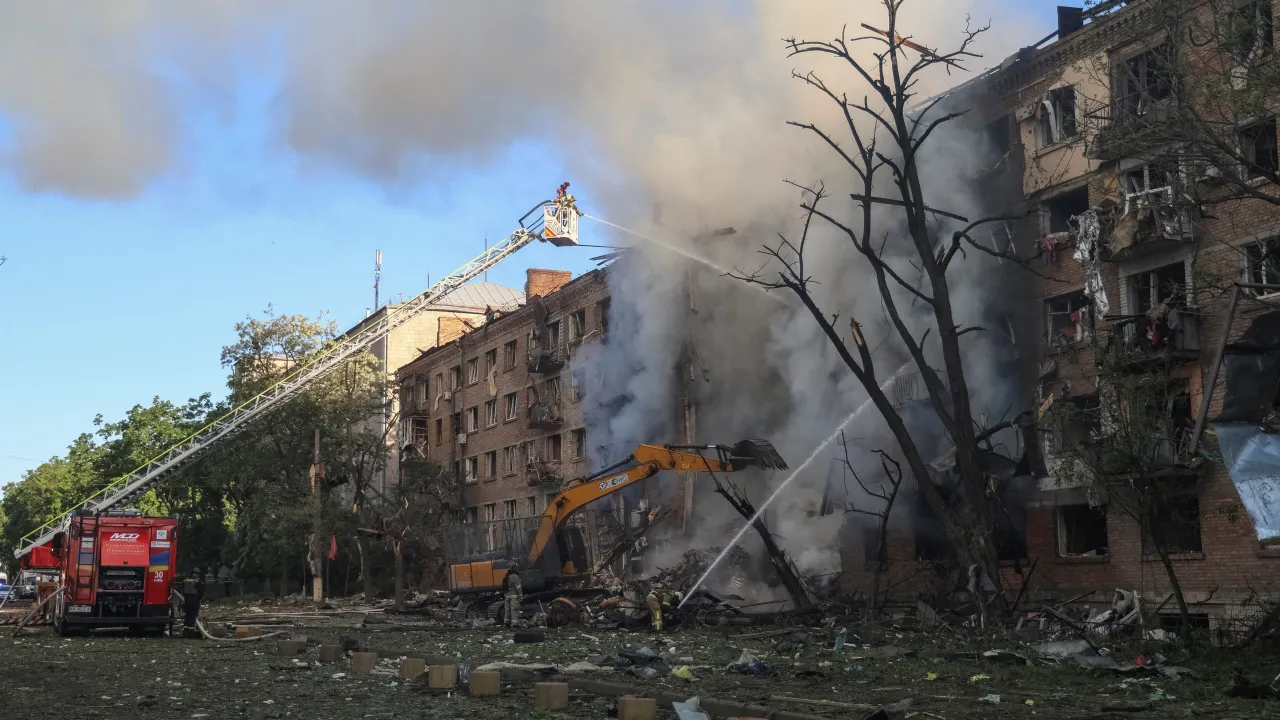
Kyiv experienced one of the most intense aerial bombardments in over a year this weekend, as a massive wave of Russian drone and missile strikes targeted the Ukrainian capital and surrounding regions. The assault, which occurred overnight into Saturday, May 24, 2026, resulted in multiple fatalities and left dozens of civilians injured, according to reports from local authorities and international monitoring agencies.
The scale of the attack has drawn immediate international concern, marked by the reported use of the Oreshnik intermediate-range hypersonic missile. This incident represents a significant escalation in the ongoing conflict, with Ukrainian President Volodymyr Zelenskyy confirming that the strike package involved approximately 600 drones and 90 missiles. The intensity of the bombardment has prompted urgent calls for humanitarian assistance and renewed debates regarding regional security protocols.
Scale and Nature of the Aerial Assault
The barrage began in the early hours of Saturday, following warnings from the Ukrainian Air Force regarding potential incoming hypersonic threats. The city of Kyiv, alongside other regions, bore the brunt of the assault, which damaged both administrative and residential infrastructure. Kyiv Mayor Vitalij Klyčko reported that debris and direct impacts caused fires at local schools and obstructed access to vital civilian shelters, severely complicating emergency response efforts for those seeking protection during the night. The latest updates on the security situation continue to emphasize the vulnerability of civilian populations in urban centers.
According to official statements, the Oreshnik missile—a weapon capable of carrying high-payload conventional or nuclear warheads—was deployed against a target in the city of Bila Cerkva, located south of the capital. This marks the third documented use of this specific missile system since the conflict began, with previous instances recorded in January 2026 and November 2024. Military analysts note that the use of such high-velocity, intermediate-range weaponry is designed to test the limits of existing air defense systems, such as the Patriot batteries currently deployed across the region.
Humanitarian Impact and Emergency Response
The human cost of the overnight strikes has been severe, with local officials confirming that at least four people have lost their lives. Dozens more remain in medical facilities receiving treatment for injuries sustained during the shelling. Emergency services in Kyiv have been working around the clock to clear debris and provide support to displaced families whose homes were destroyed or rendered uninhabitable by the impact of the drones and missiles.

The Ukrainian government has characterized the strikes as a deliberate attempt to weaken national morale and disrupt critical infrastructure. In response to the heightened threat level, President Zelenskyy had previously warned citizens to remain vigilant, citing intelligence reports that indicated a large-scale strike was imminent. The use of mass-drone swarms, reportedly numbering in the hundreds, appears to be a tactical maneuver intended to saturate and overwhelm air defense networks before the arrival of heavier, high-speed missile platforms.
Regional Security and Strategic Context
The events of May 24, 2026, underscore the volatile nature of the current security landscape. As the conflict enters this new phase, the strategic deployment of the Oreshnik missile system remains a focal point for international observers monitoring the potential for further escalation. The North Atlantic Treaty Organization (NATO) and other international bodies are expected to assess the implications of these strikes, particularly regarding the use of advanced hypersonic technology in populated urban areas.

This massive attack also saw Ukraine conducting retaliatory strikes against military targets within Russian territory, reflecting a cycle of offensive operations that continues to define the conflict. As both sides trade fire, the civilian population remains the primary victim of the escalating military friction. The international community is currently awaiting further briefings from the United Nations and other humanitarian organizations to determine the full extent of the damage to civilian facilities and to coordinate potential aid packages.
Looking Ahead
The situation in Kyiv remains fluid, with local authorities advising residents to prioritize safety and adhere to all air-raid alerts. The next official briefing from the Ukrainian presidential office is expected within the coming 24 hours to provide updated casualty figures and a clearer assessment of the damage to the national energy grid. As investigations into the specific impact sites continue, the focus remains on the recovery of those injured and the restoration of essential services.

We will continue to provide updates as more verified information becomes available from official sources and on-the-ground reports. For those interested in the latest developments, please follow our ongoing coverage at World Today Journal. We encourage our readers to share their thoughts and engage in the conversation regarding the importance of international humanitarian law during these challenging times.