
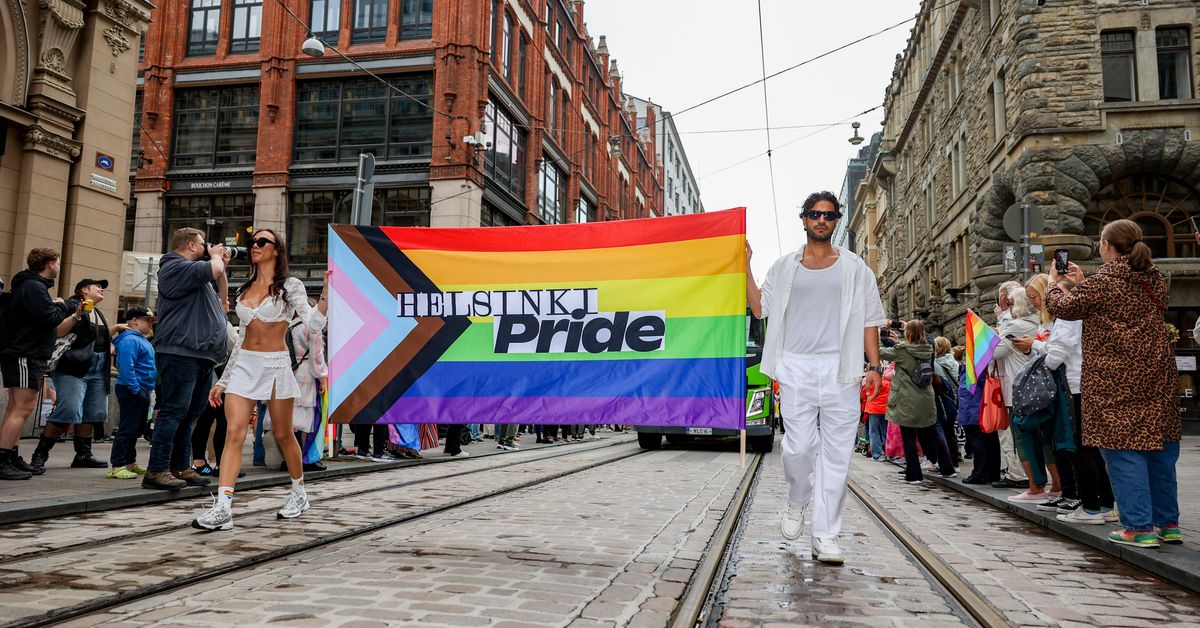
Helsinki Pride Parade to Feature Fully Accessible Program in Helsinki City Center
The Helsinki Pride parade will feature a fully accessible program for the first time, including a dedicated accessible truck within the procession through the Helsinki city center. Organizers announced that the initiative aims to ensure the annual LGBTQ+ celebration is inclusive of individuals with various physical needs and disabilities.
The Helsinki Pride association, which coordinates the week-long series of events, confirmed that the accessibility measures extend to both the parade itself and the broader Pride week schedule. A central component of this year’s procession is the “esteetön rekka,” or accessible truck, designed to allow participants with mobility challenges to engage more directly with the parade activities.
A live broadcast of the festivities is scheduled to begin at 11:40, providing a digital window into the parade as it moves through the capital. This move toward greater inclusivity follows ongoing discussions within the global LGBTQ+ community regarding the physical barriers present at large-scale public demonstrations and celebrations.
How is the Helsinki Pride parade becoming more accessible?
The primary change to the Helsinki Pride parade involves the integration of specialized equipment and modified programming to accommodate participants with disabilities. According to organizers, the introduction of an accessible truck allows individuals who might otherwise be restricted to the sidelines to participate in the movement of the parade.

Beyond the parade truck, the “Pride-viikon ohjelma” (Pride week program) has been redesigned to be “täysin esteetön” (fully accessible). This designation implies that event venues, stages, and scheduled activities have undergone reviews to ensure they meet accessibility standards. These measures typically include considerations for wheelchair access, sensory-friendly environments, and clear communication for those with hearing or visual impairments.
The inclusion of the accessible truck serves as a practical application of the association’s commitment to intersectional visibility. By providing a platform for those with physical disabilities, the organizers aim to reflect the diversity of the LGBTQ+ community more accurately during the public display of identity and rights.
What is the schedule for the Helsinki Pride festivities?
The parade is set to occupy the central streets of Helsinki, a location that serves as the primary hub for the city’s political and social demonstrations. While the exact route traditionally winds through the core shopping and administrative districts, the specific timing for the live broadcast is set for 11:40.

The broadcast is intended to provide real-time coverage for those unable to attend in person or for a global audience following the developments in Finland. The schedule for Pride week includes a variety of events leading up to and following the main parade, with the accessibility focus applied across the entire program.
Participants and spectators are advised to monitor official updates from the Helsinki Pride association for any changes to the parade route or timing due to local traffic or security requirements. The association typically provides detailed maps and accessibility advisories via its official communication channels as the event approaches.
Why does accessibility matter for Helsinki Pride?
The push for accessibility in Helsinki Pride reflects a broader trend within international Pride movements to address the “disability gap” in queer visibility. Historically, large-scale parades have often presented logistical challenges for people with mobility issues, including uneven terrain, crowded walkways, and limited access to specialized transport.
By implementing a fully accessible program, Helsinki Pride seeks to remove these systemic barriers. This initiative aligns with the core tenets of the LGBTQ+ movement, which advocates for the rights and inclusion of all marginalized groups. In the context of Finland, where social equality is a significant political objective, the parade serves as a public litmus test for how inclusive the nation’s celebrations truly are.

The presence of the accessible truck is more than a logistical adjustment; it is a symbolic gesture of visibility. It signals that the right to occupy public space and celebrate identity is not contingent on physical ability. This development follows years of advocacy by disability rights groups who have called for more intentional planning in large-scale public events.
For those looking to engage with the event, official information regarding specific venues and accessibility accommodations can be found through the Helsinki Pride official website. This resource provides the most accurate details regarding the specific locations and times for the various program components.
The next scheduled update regarding the parade’s progress and the commencement of the live broadcast will be provided by the organizing committee on the day of the event.
Do you have thoughts on the increasing focus on accessibility in global Pride celebrations? Share your views in the comments below and share this report with your network.