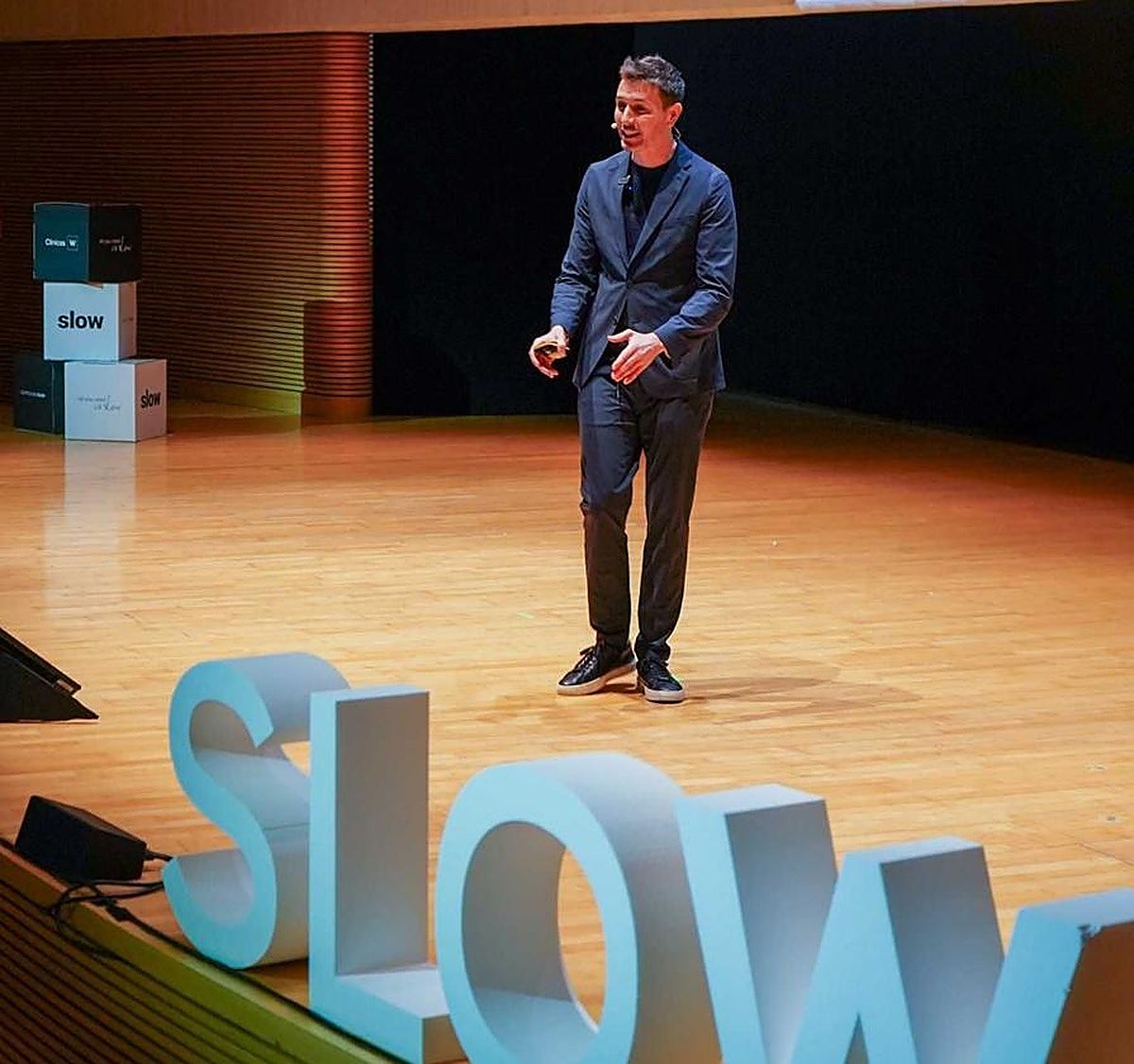
The modern dental landscape is increasingly defined by high-volume clinics and rapid turnover, yet a growing movement led by practitioners like Primitivo Roig advocates for a return to personalized, slower-paced patient care. This approach, often described as “slow dentistry,” emphasizes the importance of the doctor-patient relationship, prioritizing long-term oral health outcomes over the efficiency-driven models that have become common in large-scale dental group practices.
As a physician, I have observed that the pressure to maximize patient throughput can sometimes compromise the clinical decision-making process. By shifting the focus back to the “dentist of the past”—a professional who maintains a deep, longitudinal knowledge of a patient’s medical history—practitioners like Roig argue that they can provide more accurate diagnoses and build the trust necessary for successful long-term treatments. This philosophy is not merely about time; it is a structural critique of how healthcare services are delivered in an era of corporatized medicine.
The Evolution of the Patient-Dentist Relationship
Historically, the dental profession relied on paper-based scheduling and a localized practice model where a single dentist provided continuous care for a community. Today, according to research on healthcare delivery models in dentistry published by the British Dental Journal, the rise of corporate dentistry and private equity investment has fundamentally altered this dynamic. While these models offer increased access and consolidated technology, they often struggle to maintain the continuity of care that defines the traditional, patient-centered approach championed by advocates of slower practice.
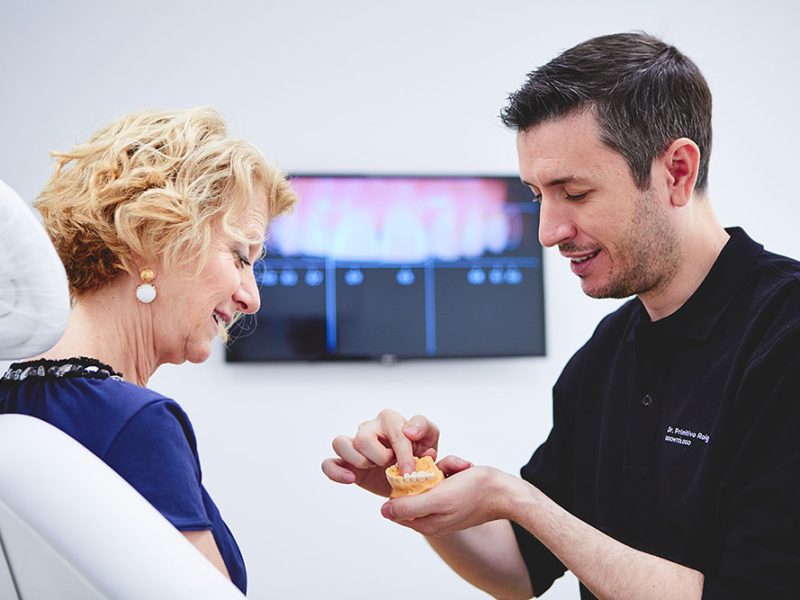
Primitivo Roig argues that by stripping away the artificial pressures of short appointment slots, dentists can engage in more meaningful preventive education. This shift is significant because, as noted by the World Health Organization (WHO), the majority of oral diseases are preventable through consistent, long-term monitoring and patient engagement rather than reactive, high-speed intervention. The “slow” approach seeks to address the root causes of dental anxiety, which is frequently cited as a primary barrier to regular check-ups.
Clinical Benefits of a Measured Approach
From a clinical perspective, the advantages of a less hurried environment are measurable. When a dentist is not constrained by a rigid, high-frequency schedule, they have the capacity for more thorough diagnostic assessments. This includes a more comprehensive review of systemic health markers that manifest in the oral cavity—a critical aspect of internal medicine that is often overlooked in rushed settings.

The American Dental Association (ADA) emphasizes that evidence-based dentistry requires a synthesis of clinical expertise, patient values, and scientific research. When the “patient values” component is marginalized by time constraints, the quality of care inherently suffers. By prioritizing the patient’s comfort and understanding, practitioners can improve adherence to complex treatment plans, such as periodontal care or restorative work, which require patient compliance over several months or years.
Addressing the Challenges of Modern Dentistry
The tension between efficiency and quality remains a central debate in contemporary healthcare policy. Critics of the “slow dentistry” movement argue that it may limit access to care for lower-income populations who rely on high-volume clinics to manage costs. However, proponents contend that the long-term cost of reactive dentistry—treating advanced decay or systemic infections—far outweighs the initial investment of a slower, more deliberate, and preventive-focused model.
For patients looking to navigate these options, the challenge lies in identifying practitioners who balance modern technology with a personalized care philosophy. The European Academy of Paediatric Dentistry and other regional bodies often provide resources for patients to find providers who adhere to specific ethical and care-based standards, rather than just location-based convenience. Understanding that the pace of care is a clinical choice, rather than an inevitable outcome of the industry, allows patients to make more informed decisions about their own health.
Future Perspectives on Practice Management
The future of the dental profession likely lies in a hybrid model that utilizes digital efficiency to support, rather than replace, human-centric care. As artificial intelligence and teledentistry become more integrated into standard workflows, the time saved by these technologies could theoretically be reinvested into direct, face-to-face consultation. The goal, for leaders in the field, is to move toward a system where the efficiency of the machine serves the empathy of the clinician.

As we continue to monitor shifts in dental healthcare policy and practice management across Europe and beyond, it is clear that the human element remains the most vital tool in the medical toolkit. The ongoing conversation regarding how we structure our clinics will likely influence patient satisfaction and health outcomes for the next generation. We invite our readers to share their own experiences with dental care in the comments section below, as we continue to track developments in medical practice models.