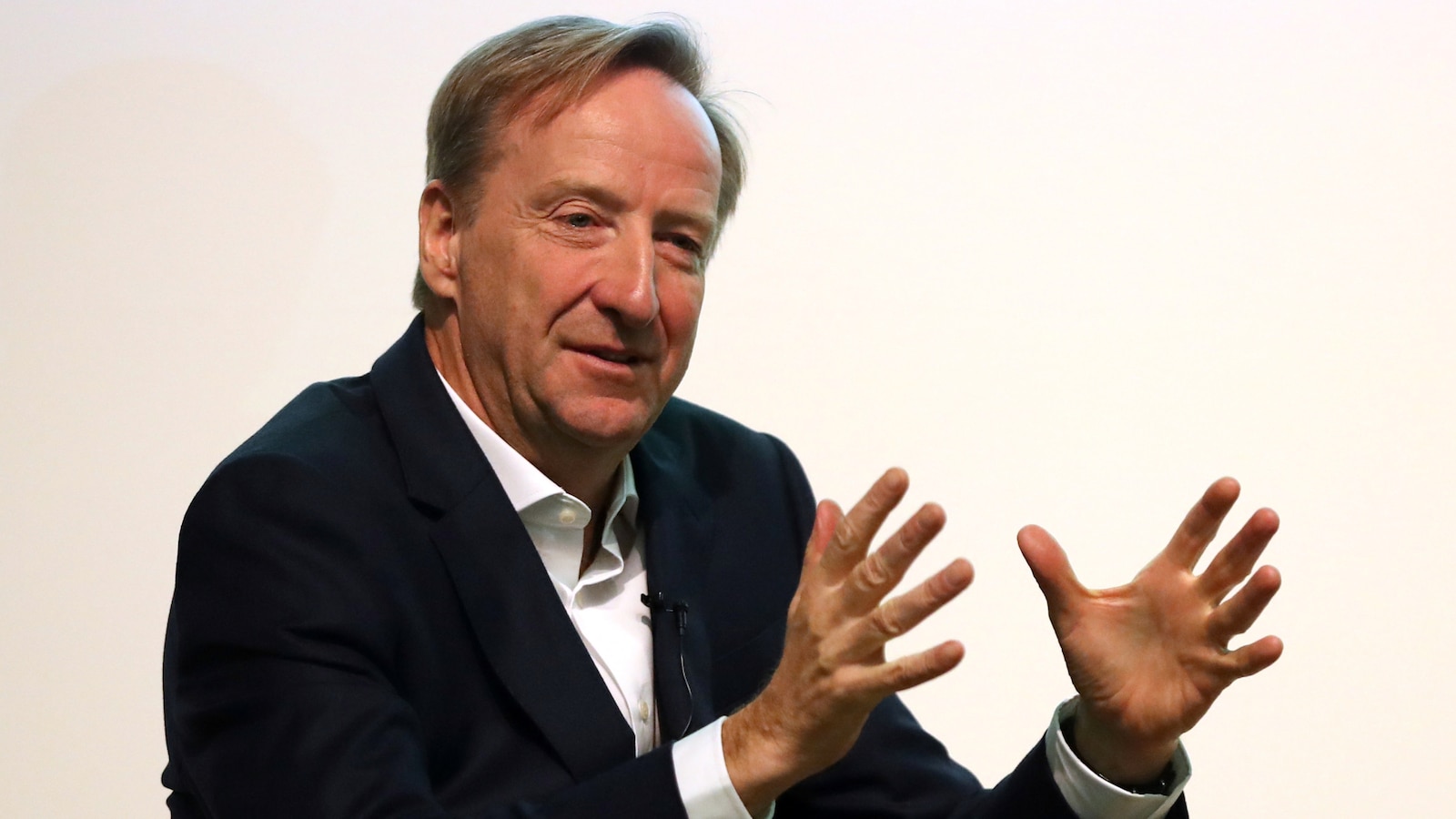
The intelligence community and the highest echelons of the British government are mourning the loss of Sir Alex Younger, the former Chief of the Secret Intelligence Service (MI6), who has died at the age of 61. Sir Alex, who led the United Kingdom’s foreign intelligence agency through a period of profound geopolitical transformation, was a figure of significant influence in global security circles. His passing has prompted an outpouring of tributes from those who worked alongside him, as well as from national leaders who relied on his counsel during some of the most volatile years of the last decade.
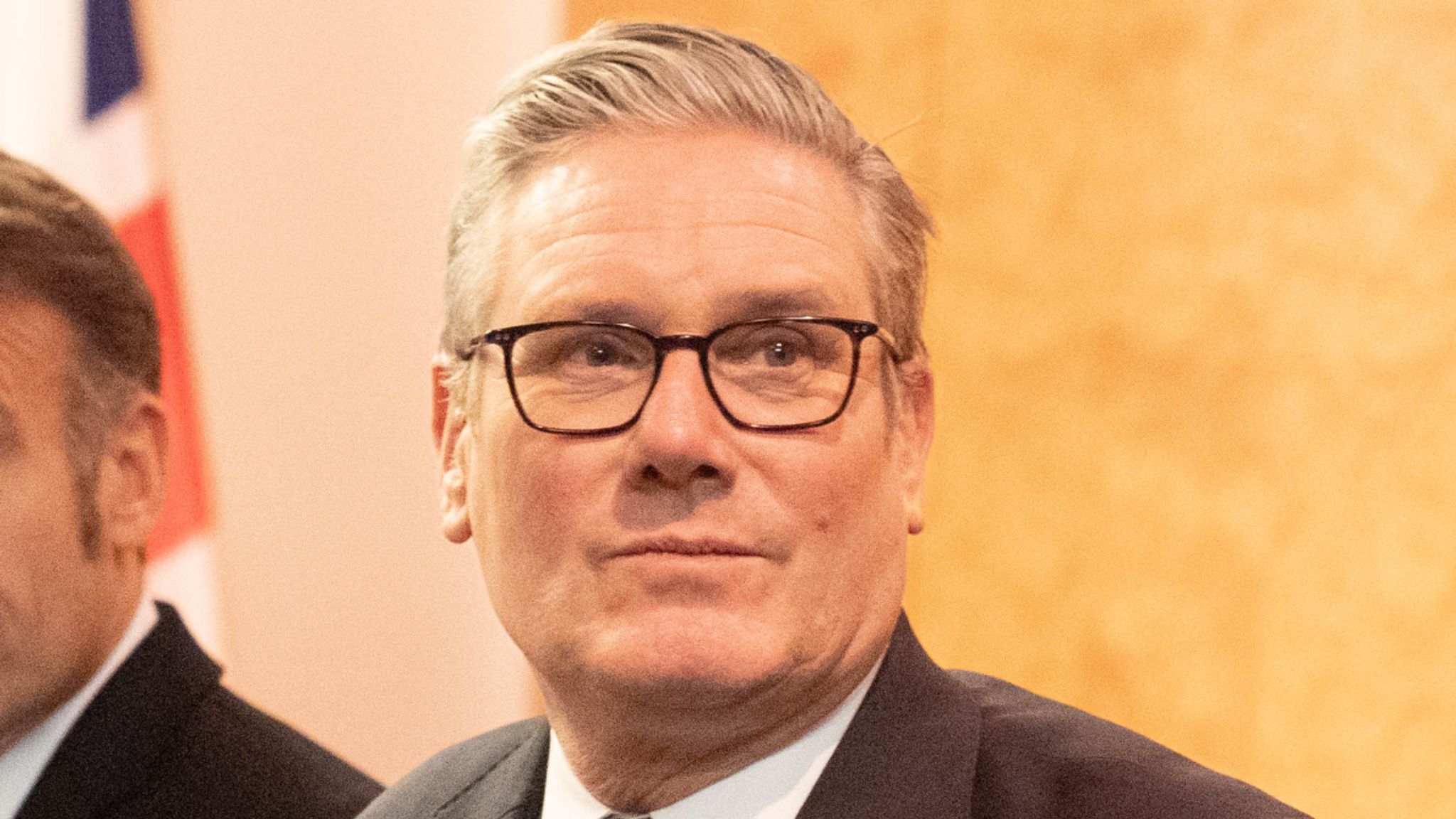
Prime Minister Keir Starmer led the tributes, acknowledging the profound service Sir Alex rendered to the nation. “Sir Alex Younger served our country with distinction,” the Prime Minister stated, reflecting on a career that spanned over three decades of clandestine operations and high-level strategic planning. His tenure as “C”—the traditional title for the head of MI6—lasted from 2014 to 2020, a period marked by the rise of new digital threats, the resurgence of state-sponsored aggression, and the complexities of the post-Brexit landscape. Official government records confirm his dedicated service to the security of the United Kingdom.
Prince William also expressed his condolences, reflecting the high regard in which Sir Alex was held across public institutions. The former spy chief was known for his quiet, methodical approach to intelligence, often emphasizing the necessity of modernizing the service to combat the rapid evolution of cyber warfare and technological espionage. His leadership was defined by a commitment to maintaining the UK’s global intelligence reach while adapting to a world where the battleground had shifted from the shadows of human intelligence to the vast, interconnected networks of the digital age.
A Career Defined by Strategic Vision
Sir Alex Younger’s journey to the helm of MI6 was one of steady, calculated progression. Before his appointment as Chief, he served in various operational roles, gaining deep insight into the Middle East and the challenges posed by international terrorism. He assumed the role of Chief at a time of immense pressure, following the service’s involvement in the aftermath of the 2013 Edward Snowden leaks, which had severely compromised the agency’s operational security and public image. His task was to stabilize the service, rebuild trust with international partners, and pivot the organization toward the digital future.
:max_bytes(150000):strip_icc():focal(599x0:601x2)/young-prince-william-10-062025-348c9c20b42a4a1da0c3f8e1f517600f.jpg "Prince William Alex Younger tribute")
Under his leadership, MI6 underwent significant cultural and structural shifts. He was widely credited with championing a more open approach to recruitment, actively seeking to diversify the talent pool to include those with technical expertise who might not have traditionally considered a career in intelligence. As noted in official service documentation, this modernization was vital to ensuring the UK remained a top-tier intelligence power capable of countering adversaries such as Russia and China, both of whom featured heavily in his public warnings about the evolving nature of hybrid warfare.
In his final public speech as Chief in 2020, Sir Alex articulated the philosophy that guided his tenure: that intelligence, while often invisible, is the bedrock of national stability. He spoke of the “fourth industrial revolution” and how it necessitated a shift in how intelligence agencies operate, arguing that the future of espionage would be defined by the ability to master data and collaborate across international borders more effectively than ever before.
Geopolitical Challenges and Global Impact
The challenges Sir Alex faced during his six-year tenure were vast. From the height of the Syrian Civil War to the Salisbury poisonings in 2018, his leadership was tested by crises that pushed the boundaries of traditional international relations. He was a staunch advocate for the “Five Eyes” intelligence alliance, viewing the cooperation between the UK, US, Canada, Australia, and New Zealand as the most effective tool for managing global threats.
His impact extended beyond the confines of the UK intelligence community. By engaging more frequently with the public and policy-makers, he helped demystify the work of MI6, moving the agency toward a model of “responsible transparency.” This approach was intended to reassure the public of the agency’s adherence to the rule of law, a point of contention that had previously haunted the service in the wake of the Iraq War and subsequent parliamentary inquiries. The Intelligence Services Act 1994 remains the foundational legal framework under which he operated, ensuring that every operation was conducted within the strict oversight of the Investigatory Powers Commissioner and the Intelligence and Security Committee of Parliament.
Key Takeaways from a Notable Tenure
- Modernization: Sir Alex spearheaded the integration of advanced data analytics and cyber-defense capabilities within MI6.
- Strategic Advocacy: He was a vocal proponent of strengthening international intelligence partnerships to counter state-sponsored hybrid threats.
- Cultural Shift: He pushed for a more diverse and inclusive workforce, moving away from the traditional image of the “old boys’ network.”
- Public Engagement: He became one of the few Chiefs of the Secret Intelligence Service to speak publicly about the agency’s mission and the necessity of modern intelligence.
Legacy and the Future of Intelligence
As the intelligence community reflects on his life and work, the focus remains on the structural stability he brought to MI6 during a period of immense global instability. His colleagues often describe him as a man of profound intellect and calm under pressure—a leader who understood that the true value of intelligence lies not in the collection of secrets, but in the ability to turn those secrets into actionable insights that prevent conflict and protect citizens.
His death marks the end of an era for the British intelligence establishment. The strategies he implemented—particularly regarding the use of technology and the prioritization of cyber-intelligence—have become the new standard for the agency. As his successor and the wider government look ahead, the foundation he laid remains a critical component of the United Kingdom’s national security infrastructure. The transition he managed from a post-Cold War agency to a modern, tech-forward intelligence service will likely be the hallmark of his legacy for decades to come.
While the details regarding funeral arrangements and private memorials remain with his family, the government has signaled that a formal recognition of his service will be forthcoming. For those interested in the history of the Secret Intelligence Service and the evolution of modern espionage, his public speeches and the official annual reports published during his tenure serve as a comprehensive record of a career dedicated to the protection of national interests.
We invite our readers to share their thoughts on the impact of Sir Alex Younger’s leadership in the comments section below. As further information regarding official tributes or public commemorations is released by the Cabinet Office, we will continue to provide updates. For official information regarding the role of the Secret Intelligence Service, please visit the official MI6 website.
Keep reading