“`html
Prior Authorization: A Growing Burden for US Healthcare Consumers
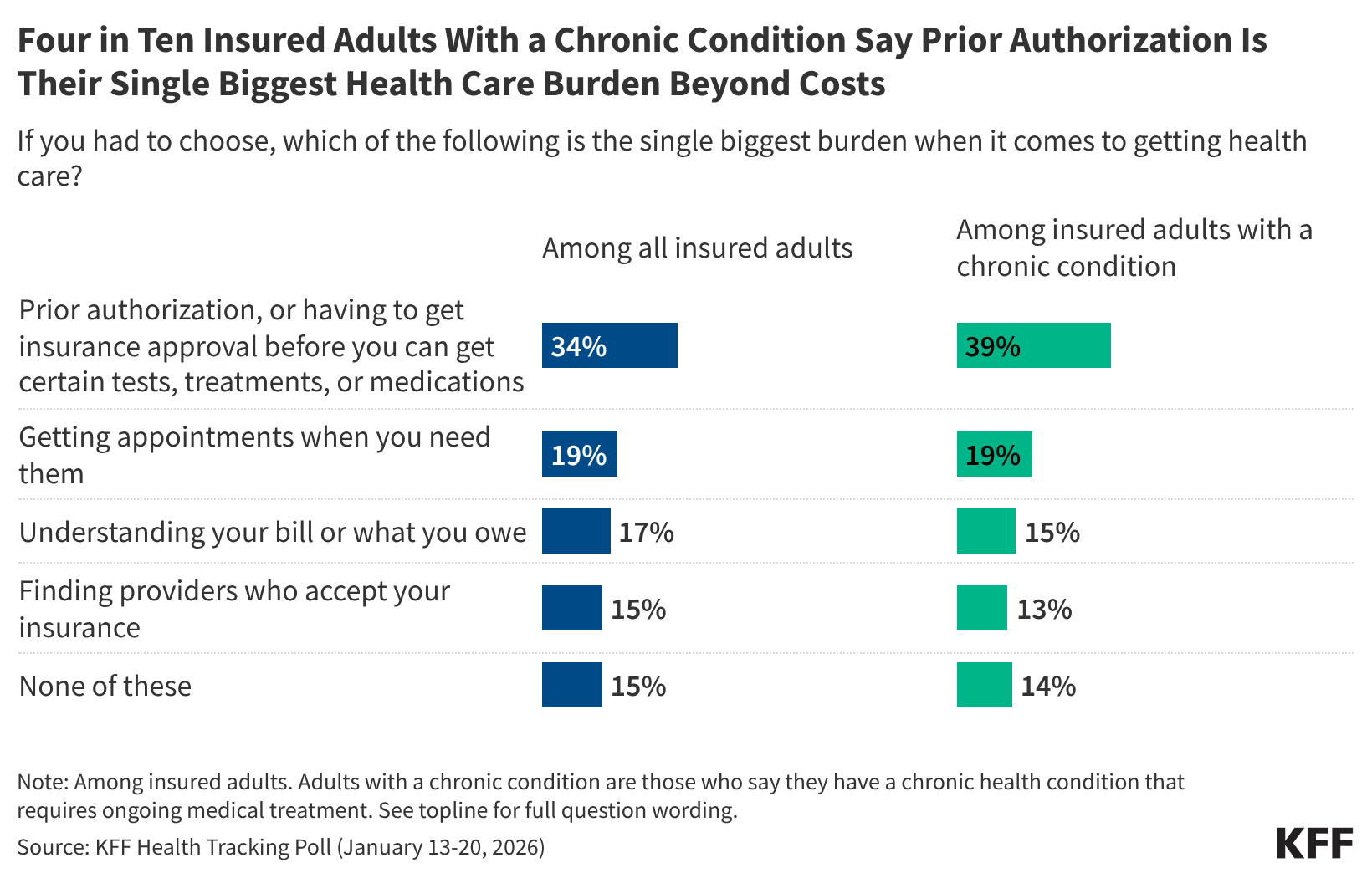
navigating the US healthcare system can be complex, and recent data indicates that prior authorization requirements are a important source of frustration and hardship for insured individuals. A January 2026 Kaiser Family Foundation (KFF) poll reveals that prior authorization is the most frequently cited barrier to healthcare access, surpassing concerns about costs, finding in-network providers, and scheduling appointments.
What is Prior Authorization?
Prior authorization is a process used by health insurance companies that requires healthcare providers to obtain approval from the insurer before a specific service, medication, or treatment can be provided to a patient.This is intended to control costs and ensure medical necessity, but it frequently enough creates administrative hurdles for both patients and providers.
Key Findings from the KFF Poll
The KFF poll, conducted January 13-20, 2026, among a nationally representative sample of 1,426 U.S. adults, highlights several key concerns:
- Top Burden: 34% of respondents identified prior authorization as the single biggest burden when accessing healthcare, exceeding concerns about othre obstacles.
- Chronic Condition Impact: Among adults with chronic conditions – representing about half of all insured individuals – 39% cited prior authorization as their primary barrier to care, more than double the percentage who named other issues.
- Access Denials & delays: Nearly half (47%) of insured adults reported experiencing denials, delays, or alterations in healthcare services, treatments, or medications due to insurance requirements within the past two years. This figure rose to 57% among those with chronic conditions.
- negative Impacts: Among those affected by denials or delays, a significant proportion reported negative consequences: 34% experienced a major negative impact on their mental health and emotional well-being, 33% on their finances, and 26% on their physical health. This translates to roughly one in five insured adults experiencing major negative impacts in these areas.
Who is Most Affected?
The burden of prior authorization isn’t felt equally. The KFF poll found that it is a significant issue for individuals with various types of insurance coverage:
- Employer-Sponsored Coverage: Prior authorization is a top concern for those with insurance through their employer.
- Medicaid: Individuals enrolled in Medicaid also frequently cite prior authorization as a major obstacle.
- ACA Marketplace Plans: Those who purchase coverage through the Affordable Care Act’s (ACA) marketplaces also experience significant challenges with prior authorization.
The Broader Context: Why is Prior Authorization Increasing?
The increasing use of prior authorization is driven by several factors,primarily cost containment efforts by insurance companies. The American Hospital Association (AHA) argues that prior authorization adds administrative complexity, delays care, and can lead to adverse health outcomes. They advocate for greater transparency and standardization in the process. The