
In the wake of the 2024 election, the Democratic Party has begun a formal internal review of its campaign performance, a process often described in political circles as an “autopsy report.” As the party leadership evaluates the factors that contributed to the loss of Vice President Kamala Harris, the discourse has increasingly centered on how the party balances internal policy disagreements with the need for a unified national platform. Amid these deliberations, the role of foreign policy—specifically the administration’s approach to the conflict in Gaza—has emerged as a focal point of intense debate among activists and party strategists alike.
The internal review, which has drawn significant attention from political analysts and the media, serves as a mechanism for the Democratic National Committee (DNC) to identify strategic missteps and areas for improvement ahead of future cycles. While the document remains a confidential effort to assess the defeat, the conversation surrounding it highlights the persistent tension between the party’s progressive wing and its establishment leadership. This internal examination remains a critical piece of the party’s effort to recalibrate its messaging for the coming years.
The Scope of the DNC Review
The DNC’s assessment of the 2024 election is designed to be a comprehensive look at the logistical, messaging, and demographic challenges faced during the campaign. According to reports from major news organizations, the internal analysis is intended to provide leadership with an honest appraisal of why the ticket failed to secure enough electoral support to retain the White House. This process is standard for major political parties following a significant defeat, as they seek to understand shifts in voter behavior and the efficacy of their outreach programs.
For those interested in the formal structure of the party’s operations, the Democratic National Committee provides ongoing updates regarding its leadership and organizational priorities. While the autopsy itself is not a public document, its existence underscores a broader commitment to self-reflection. As the party moves forward, the focus remains on organizing across state parties and ensuring that the “DNC Playbook” remains a viable guide for future candidates running up and down the ballot.
Policy Tensions and Progressive Advocacy
One of the most persistent topics of debate within the Democratic base is the administration’s policy regarding the conflict in Gaza. Even as the party’s official autopsy process continues, progressive voices have remained vocal, arguing that the administration’s stance on the Middle East played a decisive role in alienating key voter demographics. This perspective suggests that the party’s failure to address these concerns led to a drop in enthusiasm or outright defection among voters who prioritized the issue at the ballot box.
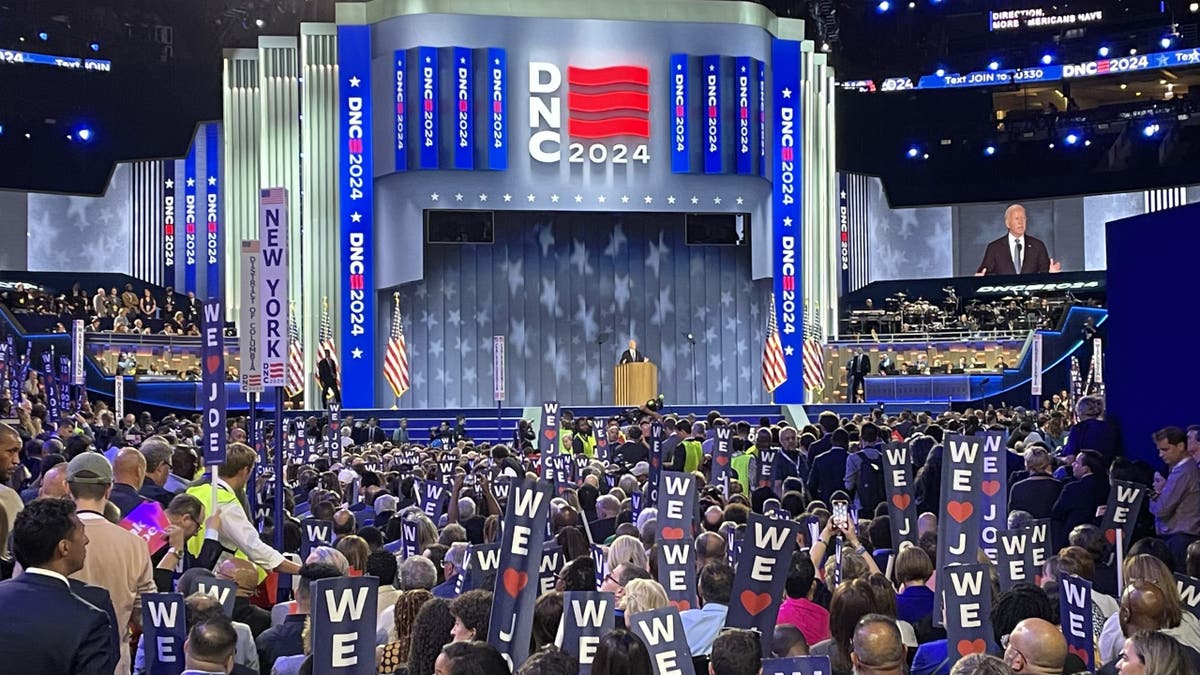
However, this narrative is not universally accepted within the party’s leadership. The disconnect between progressive organizers and party strategists reflects a long-standing challenge: how to maintain a broad coalition that includes disparate views on foreign policy without sacrificing electoral viability. While activists continue to “hammer” the issue, as noted by observers of the political landscape, party officials are tasked with weighing these grievances against the complex realities of international diplomacy and national security interests.
Looking Ahead: The Future of the Democratic Coalition
As the DNC continues its work, the primary challenge will be integrating these disparate viewpoints into a coherent strategy for the next cycle. The question of whether foreign policy was a primary driver of the 2024 outcome remains a subject of intense speculation and internal study. For the Democratic Party, the goal is to synthesize these findings into a platform that can bridge the divide between its progressive base and the broader electorate.

The party’s leadership has emphasized that the goal of this autopsy is to learn from the past while building a “brighter, more equal future.” Whether this involves a shift in policy or a change in how the party communicates its existing positions to the public, the findings of the report will likely influence strategic decisions for years to come. For voters and party members, the process serves as a reminder of the evolving nature of political coalitions and the necessity of constant engagement.
We will continue to monitor updates from the Democratic National Committee as they finalize their findings and transition toward their next electoral strategy. We encourage our readers to share their thoughts and join the conversation in the comments section below regarding the future direction of the party and the issues that matter most to them this election year.
Related reading