As geopolitical tensions continue to reshape the Middle East, international efforts to reach a diplomatic resolution in the ongoing conflict between the United States and Iran have entered a critical phase. Reports indicate that diplomatic channels are currently being tested as intermediaries seek to bridge the significant divide between Washington and Tehran, with regional powers playing a pivotal role in these high-stakes negotiations.
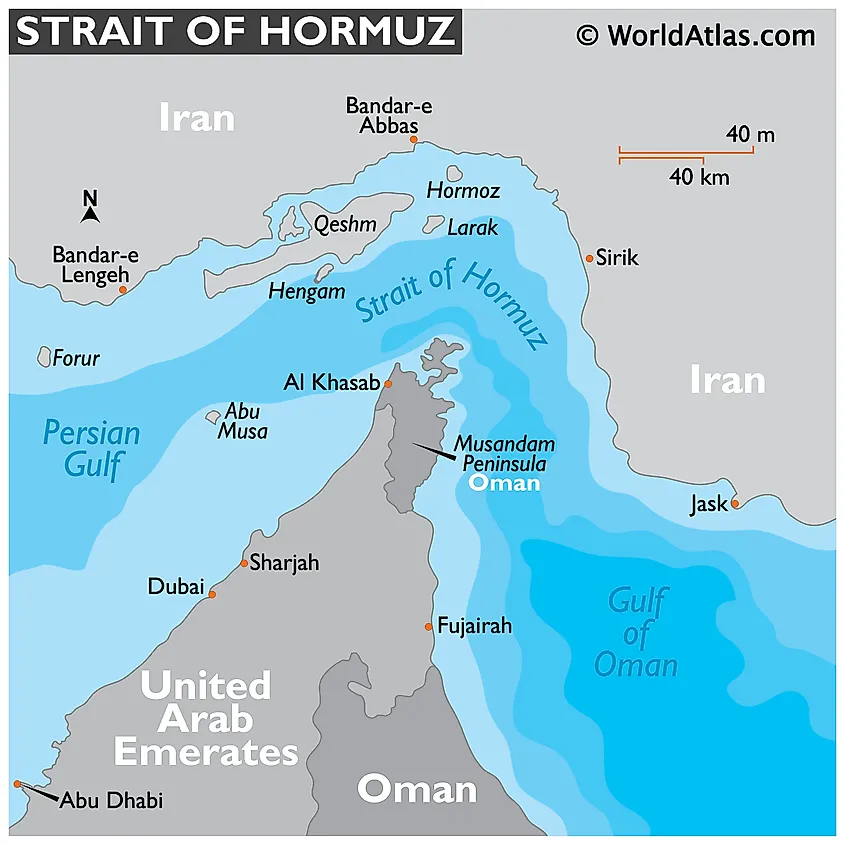
The search for a pathway to de-escalation remains complex, involving intricate discussions over regional security, nuclear proliferation, and the strategic stability of the Strait of Hormuz—a vital maritime corridor for global energy supplies. While the situation remains fluid, the involvement of regional facilitators underscores the urgency felt by international stakeholders to prevent further escalation in a region already grappling with multifaceted instability.
The Diplomatic Landscape and Regional Mediation
Recent reports highlight that Pakistan has taken an active role in attempting to facilitate a breakthrough in peace talks between the United States, and Iran. By leveraging its diplomatic ties, Islamabad is aiming to mediate a dialogue that could potentially lead to a cessation of hostilities. These efforts are part of a broader, cautious push by several nations to encourage both Washington and Tehran to move beyond their current impasse.
The core of the challenge lies in the deeply entrenched positions held by both sides. The United States has consistently emphasized the need for verifiable commitments regarding Iran’s nuclear program, while Tehran has maintained that its regional security interests and economic sovereignty must be addressed. According to recent analysis from Bloomberg, officials have noted “slight progress” in these discussions, though a comprehensive agreement remains elusive and currently sits in a state of limbo.
Strategic Stakes: Uranium and the Strait of Hormuz
At the center of these negotiations are two primary issues that have long defined the adversarial relationship between the two nations: Iran’s uranium enrichment activities and the security of the Strait of Hormuz. Control and freedom of navigation within this waterway are considered essential for global trade, and any disruption carries the risk of severe economic consequences on a global scale.
International observers and regional analysts have noted that any potential deal would likely require significant concessions on both sides regarding these specific security concerns. The Guardian has reported that the ongoing dialogue is heavily focused on creating a framework that addresses these strategic flashpoints. However, the lack of a formal, public-facing agreement suggests that the parties are still struggling to find a mutually acceptable compromise that satisfies domestic political pressures in both capitals.
Challenges to a Lasting Resolution
Despite the persistent efforts of intermediaries, the path to a sustainable peace is fraught with obstacles. Domestic political environments, both in the United States and Iran, often limit the ability of negotiators to offer the flexibility required for a breakthrough. The involvement of other regional actors, including Israel and various Gulf states, adds layers of complexity to any potential resolution.
The Jerusalem Post continues to provide ongoing updates regarding the shifting dynamics in the Middle East, noting that the broader regional conflict remains a primary concern for international security councils. The interconnected nature of these conflicts means that any move toward a U.S.-Iran deal is closely scrutinized by regional neighbors, who fear that a shift in the balance of power could alter their own national security landscapes.
Looking Ahead: The Path of Diplomacy
As of May 22, 2026, there is no official confirmation of a finalized agreement. The diplomatic process is characterized by periods of intense activity followed by stretches of stalled communication. For the international community, the focus remains on whether these back-channel communications can evolve into a formal, transparent framework for stability.
The coming weeks will be crucial as observers look for signs of progress in upcoming high-level meetings. Official statements from the U.S. State Department and the Iranian Ministry of Foreign Affairs remain the primary sources for updates on the status of these talks. Readers are encouraged to follow official government briefings for the most accurate and up-to-date information regarding the progress of these sensitive negotiations.
We will continue to monitor these developments as they unfold. We invite our readers to share their perspectives in the comments section below as we track this evolving story.
Keep reading