<>
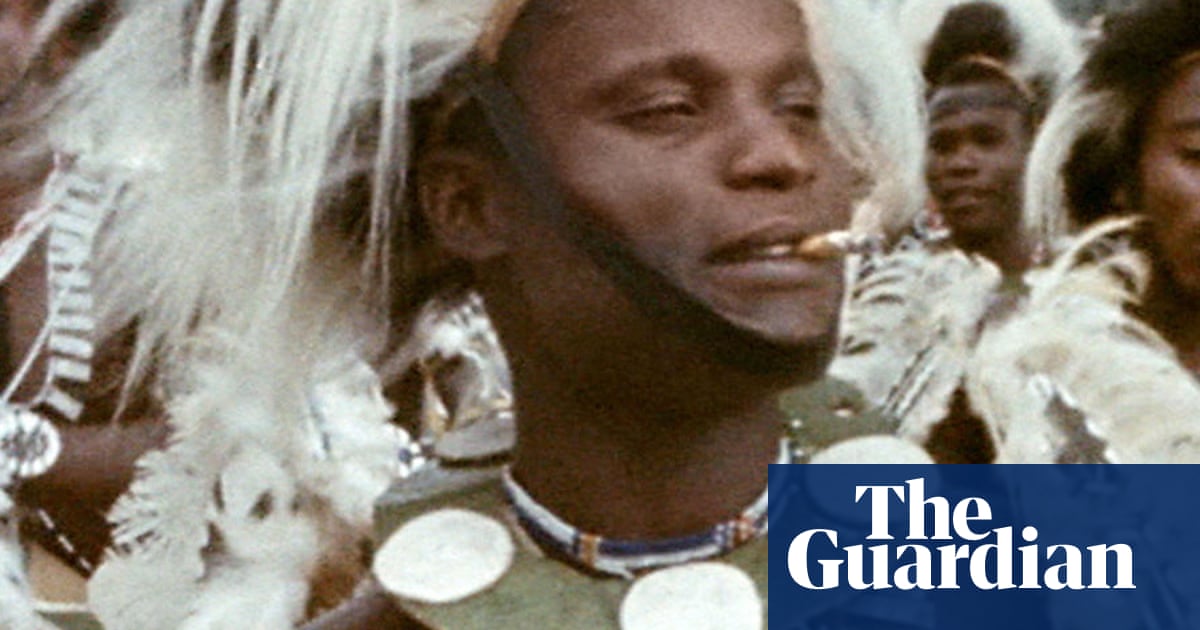
The Barbican Centre in London is currently hosting Project a Black Planet: Film, a curated season of screenings that examines the historical intersection of cinema and the Pan-African movement. By highlighting works such as William Klein’s 1969 documentary The Pan-African Festival of Algiers, the program explores how cultural expression served as a tool for political resistance and solidarity during the mid-20th century.
The 1969 Pan-African Cultural Festival in Algiers
In July 1969, Algiers served as the epicenter of a historic gathering: the first Pan-African Cultural Festival, known as Panaf. For 12 days, the Algerian capital hosted delegations from across Africa, including representatives from Ethiopia, Liberia, and Mali.

William Klein, a photographer and filmmaker, captured the energy of this period in his documentary, The Pan-African Festival of Algiers. The film is noted for its cinéma vérité style, which frequently blurs the line between the performers and the audience. This approach was intended to reflect the festival’s ethos, which aimed to dissolve the traditional boundaries of spectacle and participation. A central theme of the event, and a recurring motif in the film, is a quote attributed to Sékou Touré, the first president of Guinea: “We must make this revolution with the people … and the songs will come.”
Cinema as an Act of Resistance
The Project a Black Planet season frames these films not merely as historical records, but as active participants in the struggle for liberation. The films demonstrate a “fierce creativity,” often prioritizing the voices of the people over formal, structured narratives. This artistic defiance is a cornerstone of the season, which invites audiences to consider how film was used to forge a unified identity among nations that had recently emerged from colonial rule.
Contextualizing the Global Impact
The Project a Black Planet season serves as a reminder of the enduring power of film as a medium for documentation and social change. Your thoughts on the intersection of history and cinema are welcome in the comments section below.
Related reading