
The Indonesian property sector is witnessing a renewed focus on consumer-driven recognition as the Indonesia Property Award series returns to the national stage. In an era where digital transformation and transparent feedback loops are reshaping how buyers perceive value, the importance of public sentiment—quantified through massive voter participation—has become a cornerstone of industry credibility. This year, organizers have confirmed that the selection process will once again rely on the input of 40,000 voters, a metric that underscores the growing demand for accountability in real estate development.
As we navigate the complexities of the modern housing market, the shift toward crowd-sourced accolades represents more than just a marketing trend. It highlights a fundamental change in the relationship between developers and the public. By leveraging high-volume voter participation, these awards aim to bridge the gap between architectural marketing and the lived experience of homeowners. For potential investors and first-time buyers, such recognitions serve as a barometer for quality, reliability and project delivery standards in a competitive landscape.
The Evolution of Consumer-Centric Real Estate Metrics
The reliance on large-scale voting systems reflects a broader technological shift in how industry performance is measured. Historically, property awards were judged solely by closed-door panels of architects and industry executives. While those evaluations remain technically rigorous, they often miss the nuanced “day-to-day” satisfaction of the end-user. By incorporating the voices of 40,000 stakeholders, the current framework captures data points related to facility management, community integration, and long-term asset performance—elements that are often invisible to a traditional jury.
According to the latest data from the Bank Indonesia Residential Property Price Survey, the market continues to face inflationary pressures alongside shifts in consumer preference toward sustainable and transit-oriented developments. These awards are critical because they provide a layer of social validation that traditional financial reports cannot replicate. When a development earns an accolade based on such a broad consensus, it effectively lowers the “information asymmetry” that often plagues the property market, allowing prospective buyers to make more informed decisions based on peer-verified experiences.
Key Criteria and the Impact of Large-Scale Public Participation
The methodology behind these awards is designed to be as inclusive as possible, focusing on a wide array of residential and commercial categories. The process typically involves several stages, starting with a nomination phase followed by a public voting period that reaches across Indonesia’s diverse provinces. The sheer volume of 40,000 voters serves as a safeguard against bias, ensuring that the winners are not merely those with the largest advertising budgets, but those who have genuinely delivered on their promises to the public.
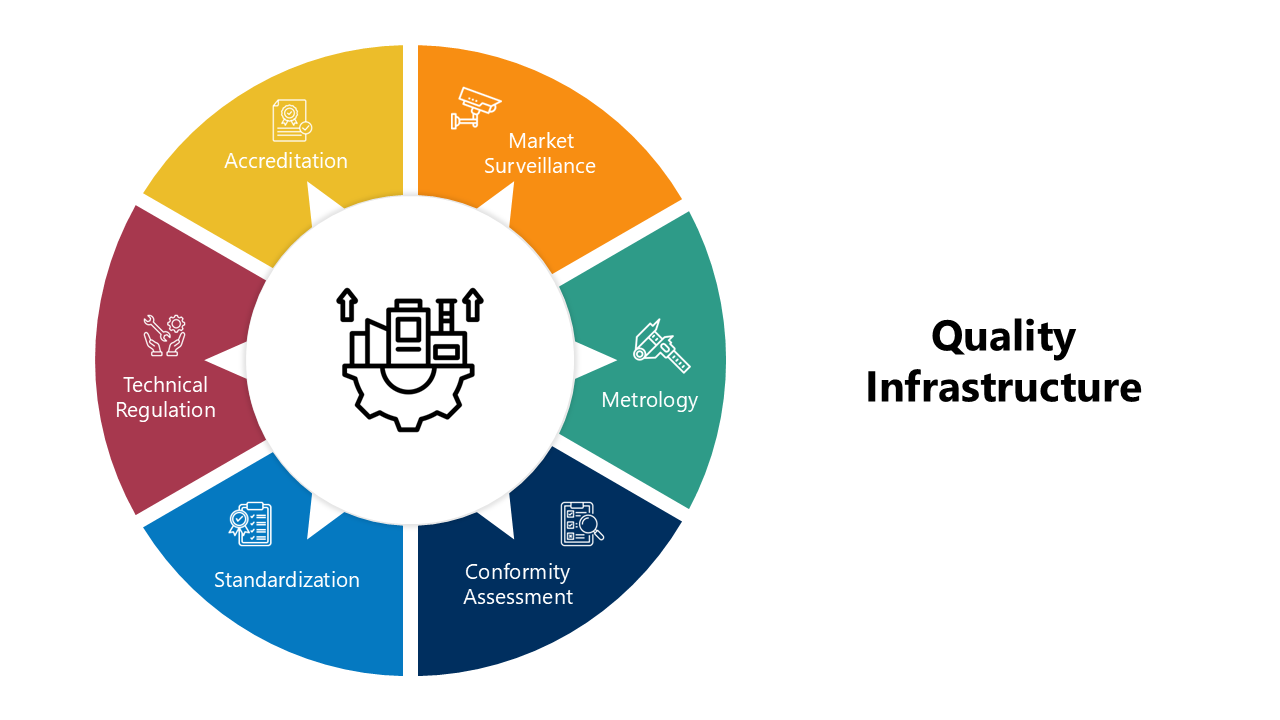
Key focus areas for voters often include:
- Infrastructure Quality: The durability and maintenance standards of the property.
- Accessibility: Proximity to public transportation hubs and essential services.
- Sustainability: Energy efficiency and the incorporation of green technology.
- Customer Service: The responsiveness of the developer during and after the construction phase.
These criteria align with global standards for urban development, as outlined by international bodies like the United Nations Human Settlements Programme (UN-Habitat), which emphasizes the necessity of inclusive and safe urban spaces. When developers align their projects with these voter-driven priorities, the entire ecosystem benefits from higher standards of living and more transparent market competition.
Why Public Sentiment Matters in the Digital Age
In my years covering the intersection of technology and industry, I have observed that digital transformation is the most significant disruptor in real estate. Today, a single negative review on social media can impact a project’s reputation more than a full-page newspaper advertisement. By formalizing this feedback into an award-based structure, the organizers are effectively institutionalizing the “digital word-of-mouth” that already drives consumer behavior.
This approach also serves as a feedback loop for developers. When a project fails to garner votes, it provides a clear signal that Notice gaps in service or quality that need to be addressed. Conversely, top-performing developers use these awards to signal their commitment to excellence to banking partners and investors, often leading to better financing terms and increased trust from the market. The Financial Services Authority (OJK) has consistently encouraged greater transparency in property-related financing, making these consumer-led initiatives a vital component of a healthier, more transparent financial environment.
What Lies Ahead for the Property Market
As the voting process for this year’s awards moves into its next phase, the industry will be watching closely to see which developers emerge as the leaders in public trust. The outcome of these awards is expected to be announced in the coming months, marking a significant checkpoint for the Indonesian real estate calendar. For those looking to participate or track the progress of these nominations, official updates are typically disseminated through the program’s dedicated digital portals and industry news channels.

The reliance on such a massive, distributed voting base proves that the power in the property market has shifted firmly into the hands of the consumer. As we look toward the future, the integration of blockchain technology for vote verification and AI-driven sentiment analysis could further enhance the integrity of these awards, ensuring that they remain a gold standard for years to come.
What are your thoughts on using public voting as a primary metric for property excellence? Do you believe it accurately reflects the quality of a development, or is it merely a popularity contest? I encourage you to share your perspectives and join the conversation in the comments section below.
Keep reading