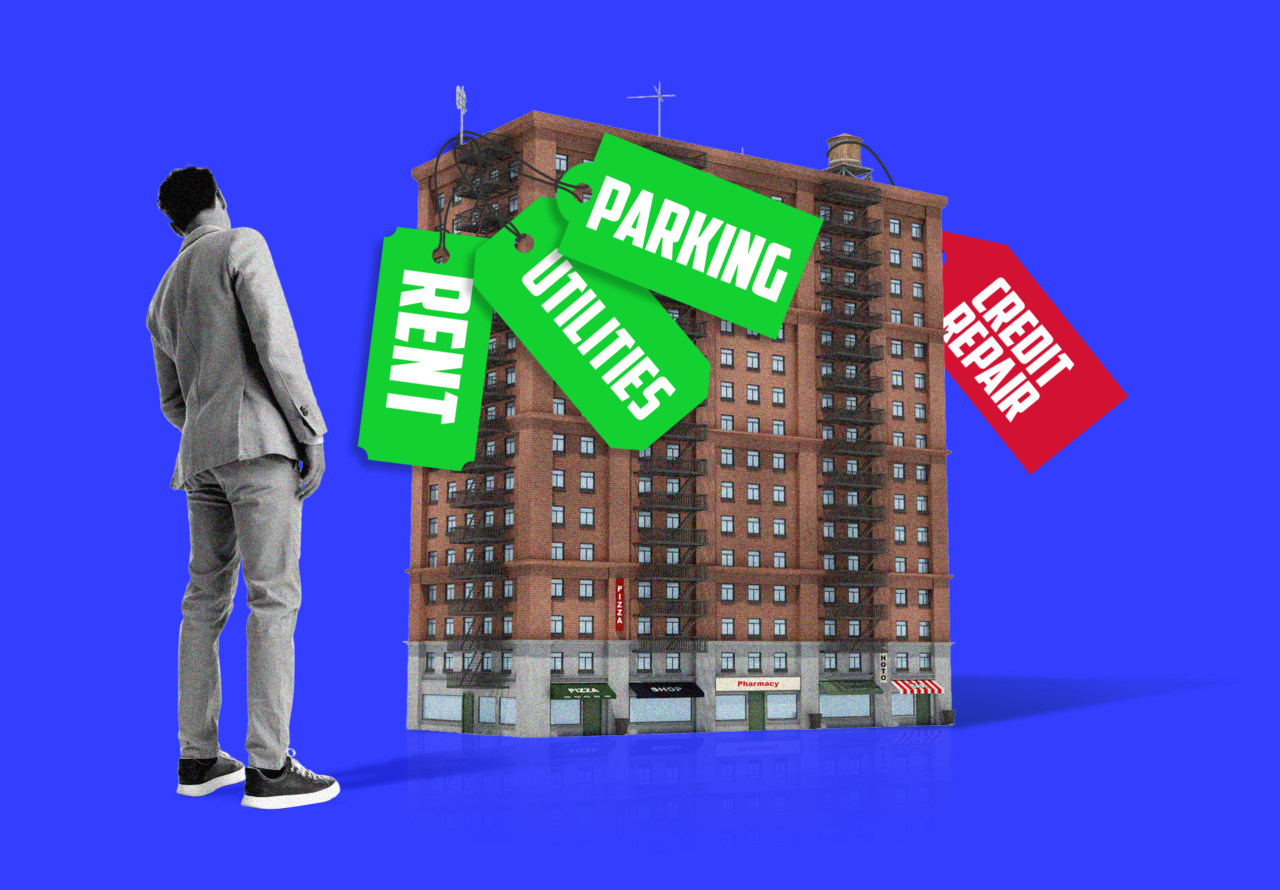
For millions of renters, the monthly bill from a property management portal is a routine, often automated, expense. However, a growing number of tenants are discovering that their digital rent statements may contain more than just base rent and utilities. Recent legal filings have brought to light allegations that property-management technology companies are increasingly bundling opaque financial products—specifically credit-repair or credit-reporting services—into tenant portals, sometimes without clear, affirmative consent from the residents themselves.
This practice has sparked a significant class-action complaint, centering on the question of whether property technology (proptech) platforms are effectively “upselling” services to a captive audience. As the digital transformation of the rental market accelerates, the burden of scrutinizing these monthly invoices has shifted onto the consumer. If you have noticed an unexplained line item or a slight, persistent increase in your monthly housing costs, you could be paying for a service you never intended to sign up for.
The Mechanics of Automated Enrollment
The core of the issue lies in the user interface design of modern property management platforms. Companies like Yardi Systems, RealPage, and others provide the digital infrastructure that allows landlords to collect rent, process maintenance requests, and screen tenants. In recent years, these platforms have expanded their revenue models by offering “value-add” features. These often include credit-building programs that report on-time rent payments to major credit bureaus, theoretically helping tenants improve their credit scores.
While the utility of credit reporting is well-documented, the controversy arises from the enrollment process. Legal complaints, such as those filed against entities like RealPage, have highlighted how software defaults can lead to “dark patterns”—design choices that nudge users toward a choice they might not otherwise make. In the context of rental payments, this often manifests as a pre-checked box during the digital lease renewal process or an automated opt-in for a “credit-boosting” subscription that carries a recurring monthly fee.
According to the Consumer Financial Protection Bureau (CFPB), the use of digital dark patterns to trick consumers into enrolling in subscription services is a priority enforcement area. When these charges are buried within a larger rent bill, they can easily go unnoticed for months, or even years, accumulating into a significant financial drain for low-to-moderate-income households.
How to Audit Your Rent Statement
The first step in protecting yourself is a forensic review of your payment history. Do not simply look at the total amount; examine the itemized breakdown of every payment made through your portal. Look specifically for:
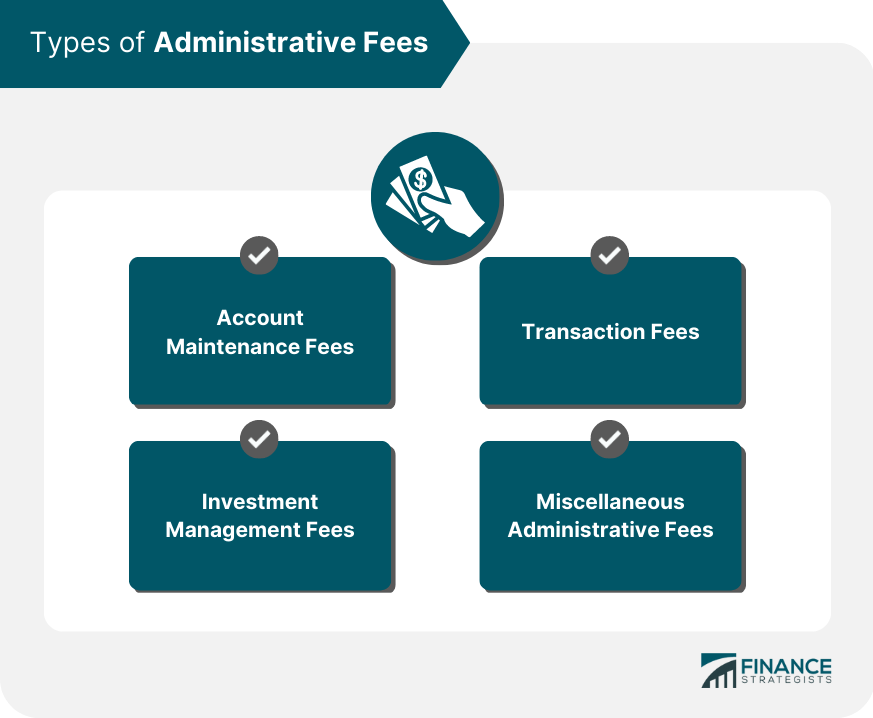
- Administrative Fees: Check for any fluctuations in the “convenience fee” or “service charge” line items.
- Subscription Add-ons: Look for terms like “Credit Reporting,” “Resident Benefits Package,” or “Premium Portal Access.”
- Variable Costs: If your rent payment is not a flat, consistent number every month, cross-reference the difference with your original lease agreement.
If you find a charge that you did not explicitly authorize, you have the right to request an itemized explanation from your property manager. Under the Fair Housing Act principles and state-level tenant protections, landlords are generally required to provide clear documentation of all charges assessed against a tenant’s account.
The Regulatory Landscape and Consumer Rights
The legal challenges currently unfolding in courts across the United States are part of a broader push to bring transparency to the proptech sector. As these companies act as intermediaries between landlords and tenants, regulators are increasingly questioning whether they should be held to the same standards as financial institutions. The Federal Trade Commission (FTC) has recently proposed rules aimed at making it as easy to cancel a subscription as This proves to sign up for one, which would directly impact many of these automated rental service programs.
For tenants affected by these charges, there are several immediate actions to consider:

- Document Everything: Take screenshots of your portal settings, your payment history, and any “terms of service” pages you encounter during the payment process.
- Formal Written Request: Send an email to your property management office requesting a refund for any unauthorized charges. Keep a record of this correspondence.
- File a Complaint: If the management company refuses to reimburse unauthorized fees, you can file a complaint with the CFPB or your state’s Attorney General’s office.
These entities track patterns of corporate behavior, and individual complaints often serve as the foundation for larger investigations or class-action lawsuits. By documenting your experience, you contribute to a growing body of evidence that helps regulators hold these technology providers accountable.
What Happens Next?
The legal trajectory of current class-action litigation regarding rent-portal fees remains in the discovery phase, where attorneys are gathering internal communications and software logs from the defendant companies. Future court hearings are expected to focus on whether the user interface design intentionally obscured the nature of the charges from the average consumer. As these cases proceed, we will continue to monitor the filings and provide updates on any settlements or court-ordered changes to billing practices.
The digital evolution of the rental market should, in theory, make life easier for tenants. However, when transparency is sacrificed for the sake of additional revenue streams, the cost is borne by those least able to afford it. Stay vigilant, audit your statements, and do not hesitate to hold your property management company to the highest standard of financial clarity.
Have you discovered unexpected fees in your rent portal? Share your experiences in the comments below or contact our investigative team to help us continue tracking these developments.
Keep reading
- New Higher Education Incentive Grants: How to Get the €1,075 Scholarship
- Central Bank Divide Over Persistent Monetary Policy Concerns
- Latvia U18 Basketball Team Faces Slovenia in FIBA U18 European Championship (archyworldys.com)
- Trump Administration Pursues New Criminal Charges Against Former FBI Director (world-today-news.com)