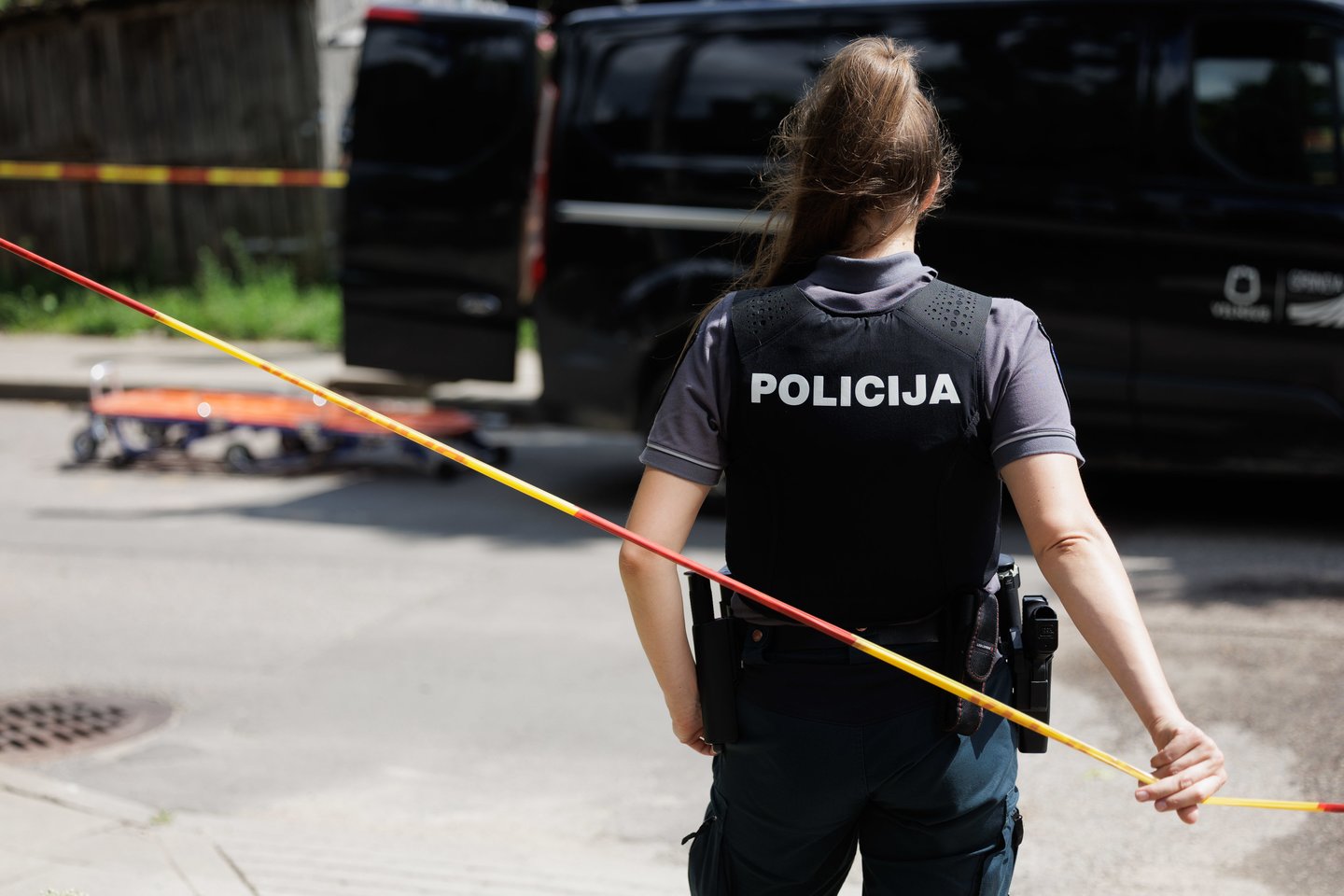
Lithuanian prosecutors have requested a 10-year prison sentence for a teenager accused of the murder of a 15-year-old peer in the Žvėrynas district of Vilnius. The request, presented during ongoing legal proceedings, has sparked significant public and professional debate regarding the sentencing of minors in cases involving extreme violence, according to reports from the Prosecutor General’s Office of the Republic of Lithuania.
The case, which centers on the death of a juvenile, is currently in its final stages at the Vilnius Regional Court. As the trial moves toward its conclusion, the prosecutor’s recommendation of a decade of incarceration has drawn scrutiny from legal experts regarding the application of the penal code to adolescent defendants. Under the Criminal Code of the Republic of Lithuania, specific provisions govern the sentencing of minors, balancing the gravity of the offense with the developmental age of the accused.
Legal Context and Sentencing Provisions for Minors
The 10-year request aligns with the maximum potential penalty available under current Lithuanian law for a juvenile offender in cases of aggravated murder. According to legal experts familiar with the proceedings, the court must weigh the nature of the act against the statutory limits placed on sentencing those under the age of 18 at the time of the offense. The Vilnius Regional Court has previously emphasized that such cases require a thorough examination of both the culpability of the defendant and the potential for rehabilitation.
Legal practitioners have noted that the public reaction to the prosecutor’s request reflects broader tensions between the desire for retributive justice in cases of violent crime and the judicial system’s mandate to treat juvenile offenders with a focus on potential reintegration. While the prosecution maintains that the circumstances of the incident warrant the maximum requested term, defense counsel is expected to argue for mitigating factors, potentially including the defendant’s age and lack of prior criminal history, as outlined in filings reviewed by the court.
Procedural Status of the Žvėrynas Case
The trial has progressed through the evidentiary phase, with the court now preparing to hear closing arguments from both the prosecution and the defense. These final statements are intended to summarize the evidence presented, including forensic reports and witness testimonies that have shaped the narrative of the incident. The judiciary has not yet set a definitive date for the final verdict, but officials indicate that the process is nearing its conclusion.
The proceedings have been closely monitored by the public due to the age of both the victim and the accused. The court has maintained a strict adherence to privacy protocols, as mandated by domestic law concerning the identity of minors involved in criminal investigations. This practice ensures that the legal process remains focused on the facts of the case while protecting the rights of all involved parties, as stipulated by the State Child Rights Protection and Adoption Service.
What Happens Next in the Judicial Process
Following the conclusion of closing arguments, the presiding judges will deliberate on the evidence. The court is tasked with determining whether the prosecution’s request for a 10-year sentence is appropriate given the totality of the circumstances or whether a lesser term is justified under the law. Once a verdict is reached, the parties will have the right to appeal the decision to the Court of Appeal of Lithuania, a standard procedure in high-profile criminal cases.
For observers and those following the case, the next significant checkpoint will be the announcement of the court’s judgment. Updates regarding the schedule of the final hearing and the eventual ruling will be published through official court notices. The judiciary remains the primary source for verified information regarding the timeline for the final resolution of this case.
Keep reading