
Modern digital security requires constant vigilance as identity theft and financial fraud continue to evolve, affecting individuals across the globe. Protecting your personal information—from Social Security numbers to sensitive financial data—has become a fundamental aspect of maintaining personal and economic stability. According to guidance from the Equifax consumer education resources, while it may not be possible to prevent identity theft entirely, individuals can take concrete steps to safeguard their data and restrict access to their personal credit reports.
The threat landscape is diverse, ranging from physical theft of wallets to sophisticated online phishing schemes. Fraudsters frequently target personal identifiers to drain bank accounts or open unauthorized credit lines. Because personal data carries significant value, security experts emphasize that proactive management of your information is the most effective defense against unauthorized access.
Establishing Secure Habits for Personal Data
Securing your information offline is a primary defense strategy. Experts recommend limiting the volume of sensitive documents you carry daily. Carrying your Social Security card in a wallet increases the risk of identity theft should the wallet be lost or stolen. Instead, store such documents in a secure location at home. Furthermore, consider using a locked mailbox to prevent mail theft, which remains a common method for criminals to obtain personal financial statements or credit card offers.
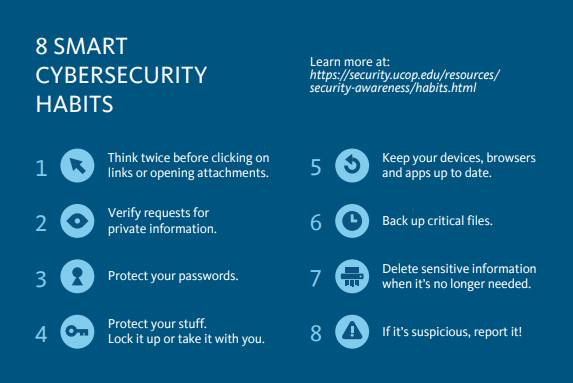
When businesses or organizations request your Social Security number, you have the right to inquire about why it is necessary and how it will be stored. As noted by Equifax, you may often request to provide only the last four digits of the number rather than the entire sequence, which helps minimize the exposure of your full identity data. Additionally, cross-shredding documents that contain sensitive information, such as expired credit cards or bank statements, is a standard practice to prevent information recovery from discarded waste.
Managing Credit Reports and Digital Footprints
Monitoring your credit report is essential for detecting unauthorized activity early. There are free tools available that allow consumers to restrict access to their credit files, which can help guard against the opening of new credit accounts by unauthorized parties. Staying informed about the risks associated with social media sharing is equally important, as over-sharing personal details can provide fraudsters with the answers to security questions or other vital information used for account takeovers.
The Federal Trade Commission provides comprehensive resources for those who believe they have been targeted by scams or bad business practices. Reporting fraud is not only a step toward personal recovery but also helps protect the broader community by alerting authorities to emerging patterns of criminal activity. For those who experience the unauthorized sharing of intimate media, the FTC offers specific guidance on the steps to take to address image-based abuse and regain control of your digital presence.
Next Steps and Protective Measures
The fight against identity theft is ongoing, and no single action serves as a total guarantee against fraud. The most effective approach combines regular monitoring of financial statements with a cautious approach to sharing personal identifiers. As financial institutions and regulators update their security protocols, consumers should periodically review their own practices to ensure they align with current best standards for data protection.

For those looking to secure their financial future, the next step is to verify your current credit standing through official reporting agencies and ensure that any security freezes or alerts on your credit files are active. If you suspect your information has been compromised, contact your financial institutions immediately to report the unauthorized activity. We encourage our readers to share their experiences in the comments section below to help foster a more informed and secure community.