
Sir Alex Younger, who served as the Chief of the Secret Intelligence Service (SIS) from 2014 to 2020, has died. A career intelligence officer, Younger was widely recognized for his leadership during a period of significant geopolitical instability, overseeing the agency’s response to the rise of ISIS, the 2018 poisoning of Sergei and Yulia Skripal in Salisbury, and the global COVID-19 pandemic. His tenure was marked by a commitment to modernizing intelligence operations and strengthening international partnerships, particularly with the United States and European allies.
Born in 1963, Younger joined the Secret Intelligence Service in 1991 following a career in the British Army. His path to the top of the service—often referred to as MI6—included critical postings in the Middle East and a focus on counter-proliferation efforts. As Chief, he maintained a reputation for clarity, often emphasizing that the intelligence community must adapt to a world where technology and digital literacy are as vital as traditional human intelligence.
Strategic Leadership During a Consequential Era
Younger’s time as Chief of SIS coincided with some of the most challenging security threats to the United Kingdom in the 21st century. Following the 2017 terrorist attacks in London and Manchester, he prioritized a reorientation of the service’s counterterrorism capabilities. According to official records from the UK government, the intelligence service played a critical role in identifying and disrupting threats during this period, often working in close coordination with international partners to monitor extremist networks.
Beyond counterterrorism, Younger was a vocal advocate for addressing the threat posed by hostile states. His leadership was particularly visible during the 2018 Salisbury incident, where he coordinated an international intelligence response that led to the expulsion of numerous Russian intelligence officers from countries across Europe and North America. This collective action was intended to degrade the operational capacity of Russian intelligence services following the use of a nerve agent on British soil, an event that the UK government formally attributed to the Russian state.
The Anglo-American Alliance and Global Cooperation
A cornerstone of Younger’s strategy was the deepening of the intelligence relationship between the United Kingdom and the United States. Throughout his six-year tenure, he worked closely with successive directors of the Central Intelligence Agency (CIA), including John Brennan, Mike Pompeo, and Gina Haspel. These personal relationships were viewed as essential to maintaining the “Special Relationship,” ensuring that intelligence sharing remained robust even during periods of political uncertainty, such as the UK’s withdrawal from the European Union.
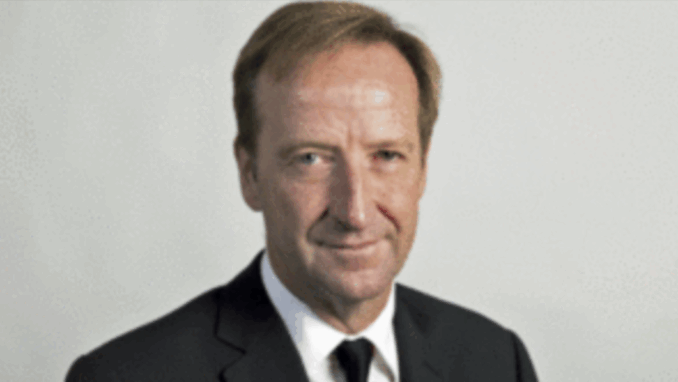
Younger was also instrumental in fostering closer ties with European intelligence services. By ensuring that SIS remained a reliable and strategic partner, he helped maintain a unified front on security issues ranging from regional instability to cyber warfare. His approach to these partnerships was rooted in the belief that institutional trust is built upon the strength of personal connections between leadership teams, an approach he formalized through regular, high-level summits with international counterparts.
Technological Literacy and Modernization
A graduate in computer science from the University of St Andrews, Younger brought a distinct perspective to the digital challenges facing modern intelligence agencies. He was an early proponent of the idea that intelligence officers needed to become digitally literate to survive in an era of ubiquitous surveillance and data-driven threats. Under his guidance, the service invested in new technologies designed to protect agents and enhance the effectiveness of operations in an increasingly connected world.
This focus on technology extended to the service’s response to the COVID-19 pandemic. As Chief, Younger oversaw the internal restructuring of SIS to ensure that essential intelligence gathering could continue despite the limitations imposed by global lockdowns. This required a rapid transition to new ways of working, ensuring that the agency could continue to provide intelligence to the government while protecting its staff and sources.
Reflecting on a Career of Service
Since stepping down as Chief of SIS in 2020, Younger remained an influential voice in security circles, frequently appearing in media to comment on the nature of modern threats, including the rise of state-sponsored disinformation and the strategic competition between global powers. His public commentary was noted for its economy of language and an ability to distill complex geopolitical issues into understandable terms for a wider audience.
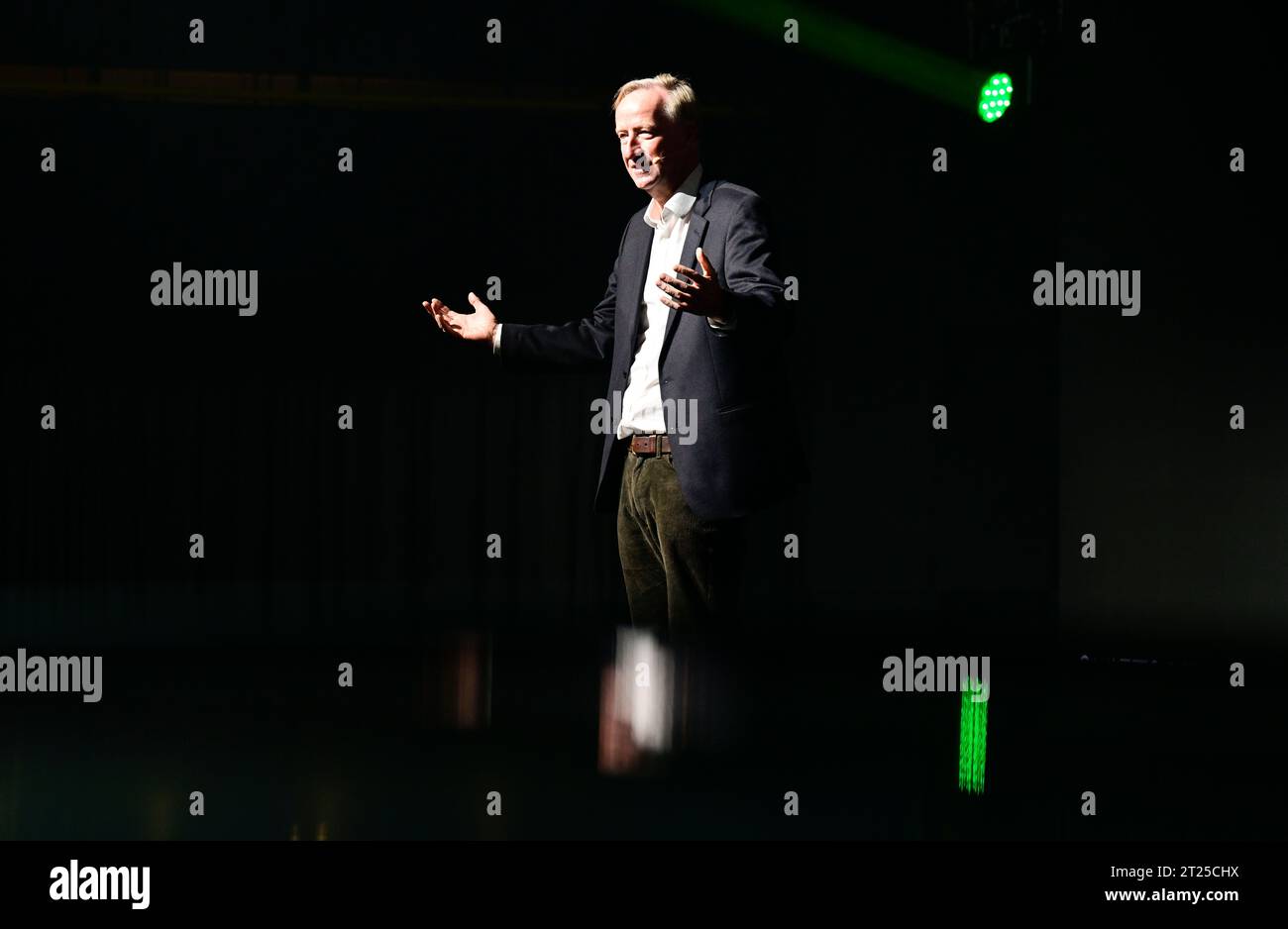
His contributions to the security of the United Kingdom and its allies were recognized through his appointment as a Knight Commander of the Order of St Michael and St George (KCMG) in 2019. Beyond his professional achievements, those who worked with him have noted his dry wit and an approach to leadership that favored calm authority over the need to dominate a room. He leaves behind a service that is significantly more adapted to the technological and geopolitical realities of the 2020s than the one he inherited.
The Secret Intelligence Service continues to operate under the leadership of his successor, Sir Richard Moore, who remains focused on the strategic priorities established during recent years. Official updates regarding the service’s activities and statements from the Foreign, Commonwealth & Development Office can be found via the official UK government portal. Please share your reflections or thoughts on the impact of Sir Alex Younger’s career in the comments below.