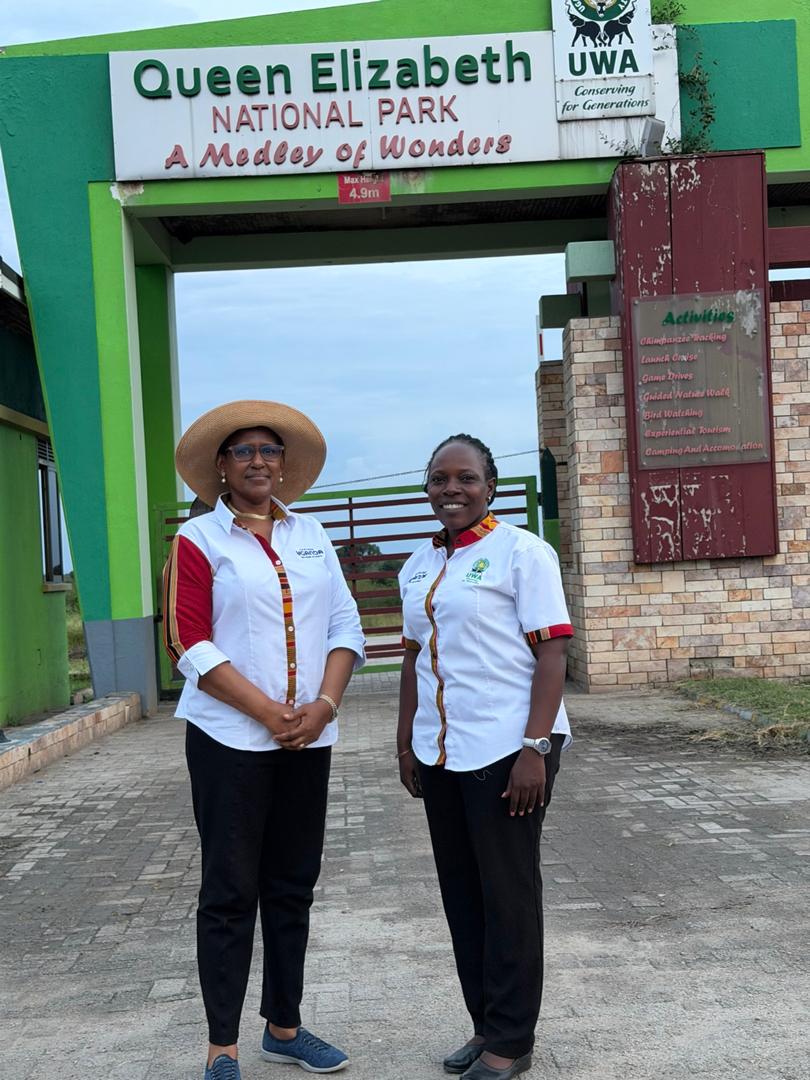
Kasese, Uganda — Permanent Secretary Doreen S. Katusiime of the Ministry of Tourism, Wildlife and Antiquities visited Queen Elizabeth National Park on June 7, 2026, to assess current infrastructure and promote domestic tourism initiatives. The visit emphasized the government’s strategic shift toward encouraging local exploration of Uganda’s protected areas to ensure long-term industry stability and economic growth.
During her assessment, the Permanent Secretary inspected several hospitality facilities within the park, including Acacia Wilderness, Elephant Plains, and Mweya Safari Lodge. While some locations saw robust engagement with both domestic and international visitors, others experienced quieter occupancy levels. These observations highlighted the ongoing challenge of seasonal fluctuations, which impact the hospitality sector and underscore the necessity of a consistent domestic traveler base to maintain year-round operations.
Queen Elizabeth National Park is a critical pillar of Uganda’s tourism portfolio. The park draws more than 85,000 visitors annually, representing between 12% and 15% of all national park arrivals in the country. To further understand the park’s biodiversity, Katusiime participated in a boat cruise along the Kazinga Channel, a 32-kilometre waterway recognized for its high concentration of hippos and a diverse population of over 600 bird species.
The Economic Imperative for Domestic Travel
The Ministry of Tourism is currently prioritizing domestic tourism to stabilize an industry that contributes more than $1 billion to the national economy. Despite this significant economic footprint, domestic travelers currently account for less than 30% of total park revenue. Officials view this gap as a substantial opportunity for growth, which could provide a more reliable buffer against the volatility of international travel trends.

This push is closely linked to the ongoing Tulambule campaign, a national initiative designed to encourage Ugandans to explore their own country. By positioning the nation’s parks as accessible destinations for local residents, the government aims to foster a culture of domestic exploration that supports local livelihoods and provides sustained funding for essential conservation efforts.
Hospitality Performance and Seasonal Trends
Hospitality providers in the region often face significant shifts in demand throughout the calendar year. During high season, industry performance within the park typically reaches occupancy levels between 65% and 80%. However, these peaks are often followed by quieter periods, creating a reliance on international visitor cycles that the Ministry is now seeking to balance through increased domestic engagement.
The visit to facilities such as Mweya Safari Lodge served as a case study for these fluctuations. By engaging with operators on the ground, the Ministry intends to better understand the barriers to domestic tourism—such as pricing, awareness, and accessibility—and refine its strategies to ensure that Uganda’s natural heritage remains a viable economic engine for all stakeholders.
Looking Ahead
The Ministry of Tourism, Wildlife and Antiquities continues to monitor the performance of the domestic sector as part of its broader mandate to manage Uganda’s protected areas. Further updates regarding the Tulambule campaign and subsequent policy adjustments are expected to be released through official Ministry channels as the government evaluates the effectiveness of current promotional efforts.
As the sector works to integrate more domestic travelers into the tourism ecosystem, stakeholders are encouraged to monitor the Ministry’s official portal for upcoming developments and travel advisories. We invite our readers to share their experiences with domestic travel in Uganda and join the conversation on the importance of local tourism in the comments section below.