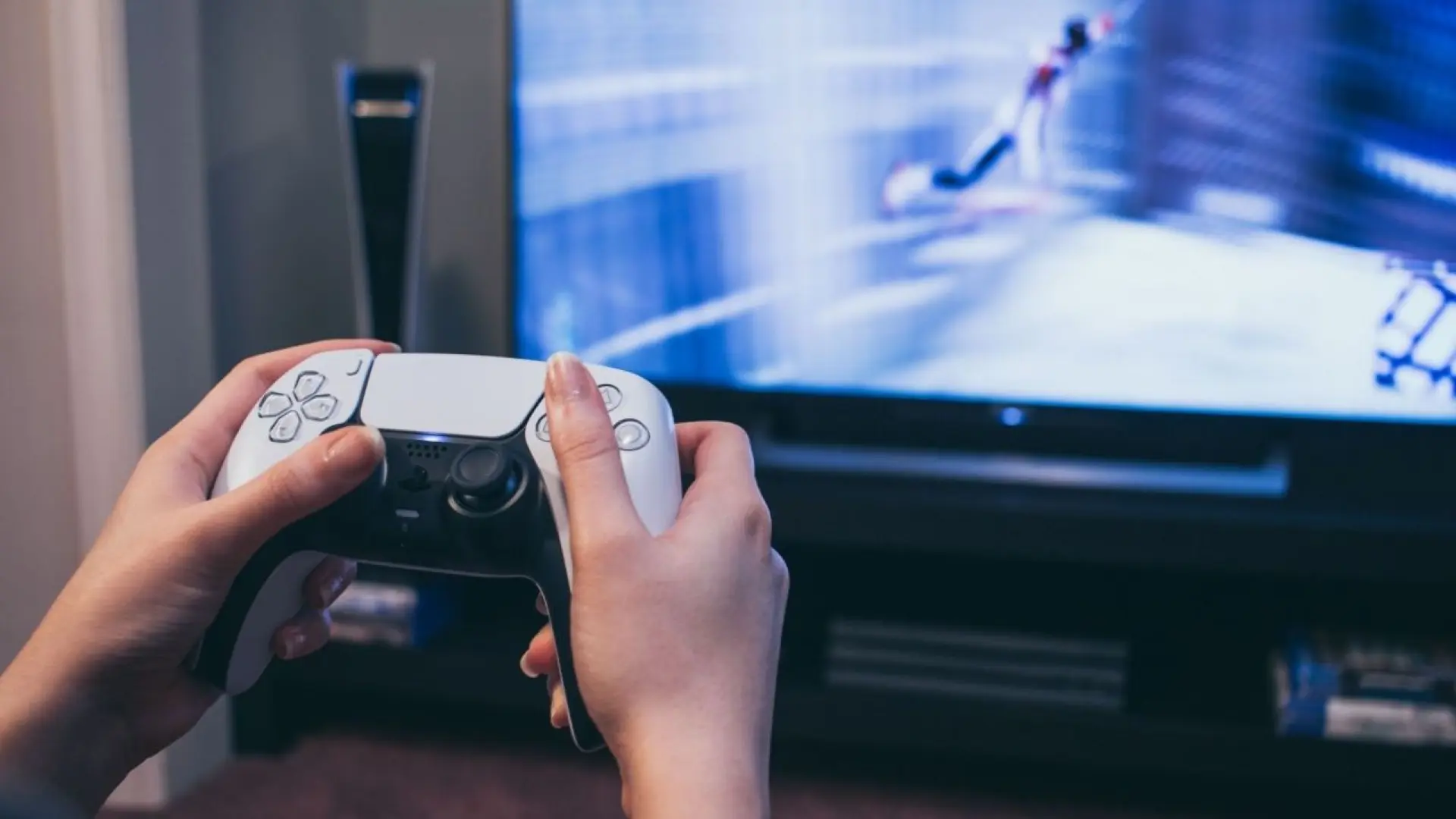
Sony Patents AI-Powered Assistance for PlayStation Players, Aiming to Ease Return to Games
San Francisco, CA – Sony Interactive Entertainment is exploring modern ways to enhance the player experience, not just with the next generation of hardware like the PlayStation 6, but also through innovative software solutions. A recently filed patent reveals a system designed to help players seamlessly re-engage with games after extended breaks, addressing a common frustration for those with limited gaming time. This initiative underscores Sony’s commitment to accessibility and user-friendliness, recognizing that life often interrupts even the most dedicated gamers.
The gaming landscape is evolving, with increasingly complex titles demanding significant time investment. Players often juggle work, family, and other commitments, leading to periods of inactivity. Returning to a game after weeks or months can be jarring, requiring players to re-learn controls, recall storylines, and regain proficiency. Sony’s new patent, filed with the World Intellectual Property Organization (WIPO) and published on February 22, 2024, proposes a solution leveraging artificial intelligence to bridge this gap. The patent, identified as WO2024036230, is titled “Use of AI to monitor user inputs and estimate the effectiveness of input sequences.”
How the AI System Would Work
The core concept revolves around the PlayStation 5 (and potentially future consoles like the PS6) utilizing AI to detect when a player returns to a game after a period of inactivity. The system would then analyze the player’s performance and provide tailored assistance. This assistance isn’t intended to *play* the game for the user, but rather to offer targeted support, such as contextual tutorials, control reminders, and narrative recaps. The goal is to reduce frustration and accelerate the re-engagement process, making gaming more enjoyable for casual and infrequent players.
According to the patent documentation, the AI would “effectively monitor the user’s actions to determine if a player needs assistance and the type of assistance to be provided.” This suggests a dynamic system capable of adapting to individual player needs and skill levels. For example, if a player consistently struggles with a particular combat maneuver after a break, the AI might offer a brief tutorial or suggest alternative strategies. Similarly, if a player appears lost in the narrative, the system could provide a concise summary of recent events.
This isn’t Sony’s first foray into patenting innovative gaming technologies. Recent filings have also focused on reducing game file sizes through streaming technology – potentially shrinking massive game installations from 100GB to as little as 100MB – and fostering independent game development through cloud-based tools. As reported by Gameblog, these patents demonstrate a proactive approach to addressing both technical and user experience challenges in the evolving gaming landscape.
Beyond Controls: Narrative and Strategic Reminders
The potential applications of this AI-powered assistance extend beyond simply reminding players of control schemes. The patent specifically mentions the possibility of using AI to recall narrative elements. Imagine returning to a complex role-playing game after a hiatus and receiving a quick recap of key plot points, character relationships, and ongoing quests. This feature could be particularly valuable for story-driven games like The Last of Us Part II, where intricate narratives and character development are central to the experience.
the AI could provide strategic reminders, suggesting optimal tactics for challenging encounters or highlighting hidden resources. This could be especially helpful in games with complex mechanics or intricate level design. The system could learn from a player’s past performance, identifying areas where they typically struggle and offering targeted assistance when they return to those sections. This personalized approach could significantly enhance the overall gaming experience, making it more accessible and rewarding for players of all skill levels.
The Broader Context of PlayStation Innovation
Sony has consistently demonstrated a commitment to innovation in the gaming industry. From the groundbreaking features of the PlayStation 2 to the immersive experiences offered by the PlayStation VR, the company has consistently pushed the boundaries of what’s possible. The development of the PlayStation 5 Pro, and the anticipated arrival of the PlayStation 6, further exemplify this dedication. As VICE points out in their coverage of the PS5 Pro versus PS6 debate, Sony is actively exploring ways to deliver increasingly powerful and immersive gaming experiences.
This latest patent aligns with that broader strategy, focusing on improving the user experience rather than solely on raw processing power. By addressing the challenges faced by players who return to games after extended breaks, Sony aims to create a more welcoming and engaging environment for a wider audience. This is particularly important as the gaming industry continues to grow and diversify, attracting players with varying levels of experience and commitment.
Potential Impact and Future Developments
If implemented, this AI-powered assistance system could have a significant impact on player engagement and retention. By reducing frustration and making it easier to re-immerse themselves in games, Sony could encourage players to spend more time and money on its platform. This could also benefit game developers, as players are more likely to complete and enjoy games that are accessible and rewarding.
Still, it’s important to note that a patent filing does not guarantee that a technology will be implemented. Sony may choose to explore other approaches or abandon the project altogether. The effectiveness of the system will depend on the quality of the AI algorithms and the accuracy of the player data. It will also be crucial to strike a balance between providing helpful assistance and avoiding intrusive or disruptive interventions.
The gaming industry is constantly evolving, and Sony’s commitment to innovation suggests that we can expect to see further advancements in AI-powered gaming technologies in the years to come. The PlayStation 6, currently in development, is likely to be a key platform for showcasing these advancements, offering players even more immersive and personalized gaming experiences.
Key Takeaways:
- Sony has patented an AI system designed to help players re-engage with games after breaks.
- The system analyzes player performance and provides tailored assistance, such as tutorials and narrative recaps.
- This innovation aims to reduce frustration and improve accessibility for casual and infrequent gamers.
- The patent is part of Sony’s broader commitment to innovation in the gaming industry.
The future of gaming is increasingly intertwined with artificial intelligence, and Sony’s latest patent is a clear indication of this trend. As gaming experiences become more complex and demanding, AI-powered assistance systems are likely to play an increasingly important role in ensuring that players of all skill levels can enjoy the hobby to its fullest. We will continue to monitor developments from Sony and other industry leaders as they explore the potential of AI to transform the gaming landscape.
What are your thoughts on this new patent? Share your opinions in the comments below, and be sure to share this article with your fellow gamers!
Related reading