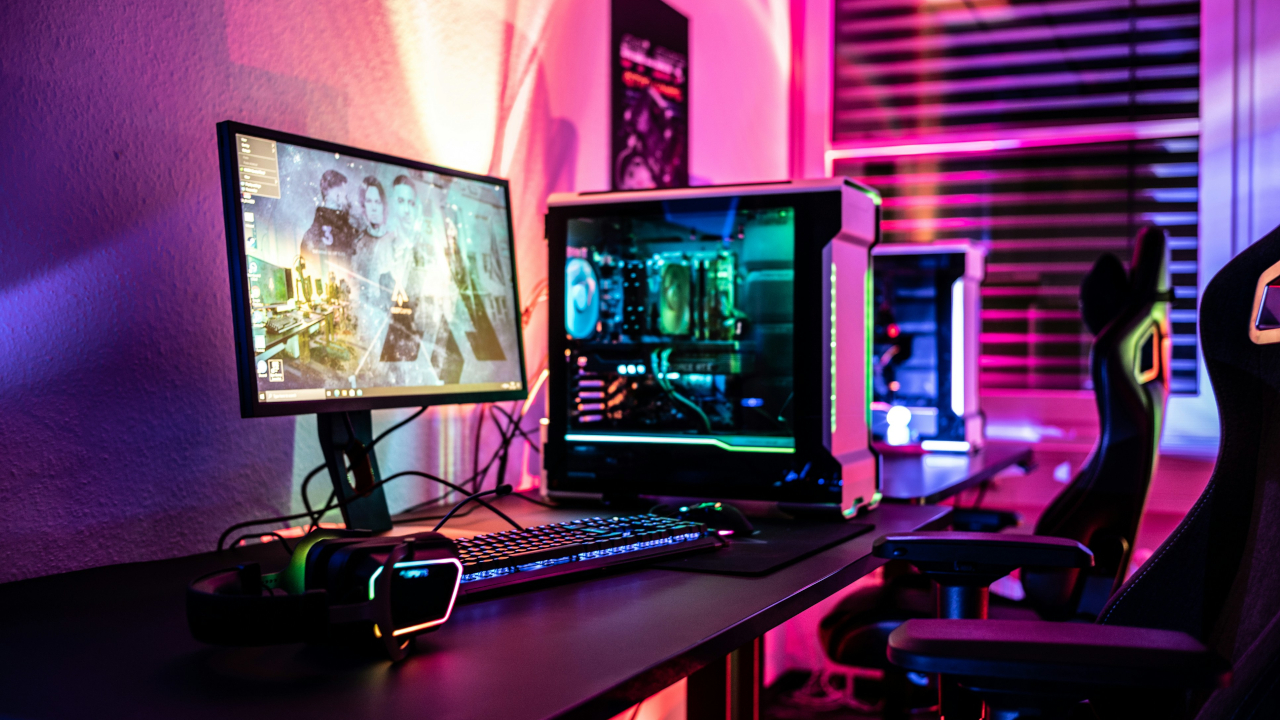
A growing segment of the gaming community is re-evaluating the value proposition of current-generation consoles, with an increasing number of players weighing a potential transition from the PlayStation 5 to a dedicated gaming PC. This shift in consumer sentiment is largely driven by a combination of evolving hardware capabilities, the expansion of Sony’s first-party titles to the Windows platform, and shifting expectations regarding subscription services and hardware longevity, as reported by industry analysts tracking hardware sales and platform engagement.
The PlayStation 5, which launched in November 2020, remains a central piece of living-room gaming hardware, but the gap between console and PC performance has narrowed in the public perception. According to Sony’s latest financial disclosures, the company has shifted its strategy to include a more aggressive rollout of PlayStation Studios titles on PC, effectively removing the exclusivity that once served as a primary anchor for console loyalty. This strategy, while intended to broaden the audience for titles like God of War and Horizon Forbidden West, has led some users to question the necessity of maintaining a dedicated console when a PC can offer a more unified library.
The Impact of Sony’s Cross-Platform Strategy
Sony’s decision to bring its flagship titles to PC has fundamentally changed the ecosystem. Historically, console sales were driven by the “walled garden” approach—the idea that specific hardware was required to play specific games. As noted in the company’s fiscal year 2023 earnings presentation, the expansion to PC is a calculated move to maximize revenue from existing intellectual property. However, for the consumer, this creates a new calculus: if the software is available on both platforms, the decision shifts to hardware performance, upgradeability, and the cost of entry.
While the PS5 offers a streamlined “plug-and-play” experience with specialized features like the DualSense controller’s haptic feedback and the proprietary high-speed SSD, PC gaming offers modularity. Users who migrate to PC often cite the ability to adjust graphical fidelity, access a broader range of storefronts like Steam or GOG, and benefit from backward compatibility that spans decades rather than generations. This transition is not without friction, however, as the initial capital expenditure for a high-performance PC that matches or exceeds PS5 capabilities remains significantly higher than the console’s retail price point.
Hardware Longevity and the Lifecycle Debate
The current console cycle has faced scrutiny regarding how long hardware can remain competitive against rapidly advancing GPU technology. With the introduction of the PS5 Pro, Sony has addressed some concerns regarding graphical throughput and ray tracing performance. According to official company announcements, the PS5 Pro features an upgraded GPU with 67% more compute units and 28% faster memory. Despite these improvements, some enthusiasts argue that the PC platform offers a more sustainable long-term investment, as individual components can be upgraded incrementally without replacing the entire system.
The debate is further complicated by the rise of handheld gaming PCs, such as the Steam Deck and various iterations from ASUS and Lenovo. These devices have introduced a form factor that rivals the convenience of a console while retaining the open nature of the PC ecosystem. For many, the ability to play a library of games on a portable device that also doubles as a desktop workstation provides a level of utility that a static console cannot currently match.
What Consumers Should Consider Before Switching
Moving from a console to a PC involves more than just hardware costs. It requires a different approach to maintenance, driver updates, and software management. While the barrier to entry has lowered due to standardized launchers and more user-friendly operating system interfaces, the PC remains a platform that requires more active user involvement.

For those considering the switch, the following factors are often cited by industry experts as critical:
- Total Cost of Ownership: While PCs are more expensive upfront, digital storefront sales and the absence of mandatory subscription fees for online multiplayer can reduce costs over the long term.
- Game Library Migration: Players should verify which of their existing titles support cross-progression or cross-buy features, as many games are not transferable between the PlayStation Network and PC storefronts.
- Peripheral Ecosystem: Transitioning to a PC often means moving from a controller-centric experience to a keyboard-and-mouse setup, though most modern PC games provide full support for controllers.
- Performance Expectations: Matching the “console experience” on a PC often requires a mid-to-high-end GPU, which involves monitoring benchmarks and hardware compatibility.
As the industry moves toward its next major cycle, the lines between console and PC will likely continue to blur. The primary driver for consumer choice remains the content library and the ease with which that content can be accessed. Whether users choose to stay within the PlayStation ecosystem or venture into the broader PC landscape, the current market provides more transparency regarding hardware capabilities than at any previous time in the history of the medium.
The next major milestone for both platforms will be the holiday sales period and the subsequent quarterly fiscal reports from major hardware manufacturers in early 2025. These reports will provide concrete data on whether the shift toward PC gaming is a temporary trend or a fundamental change in how players interact with their favorite titles. Readers are encouraged to share their own experiences with platform transitions in the comments below.