
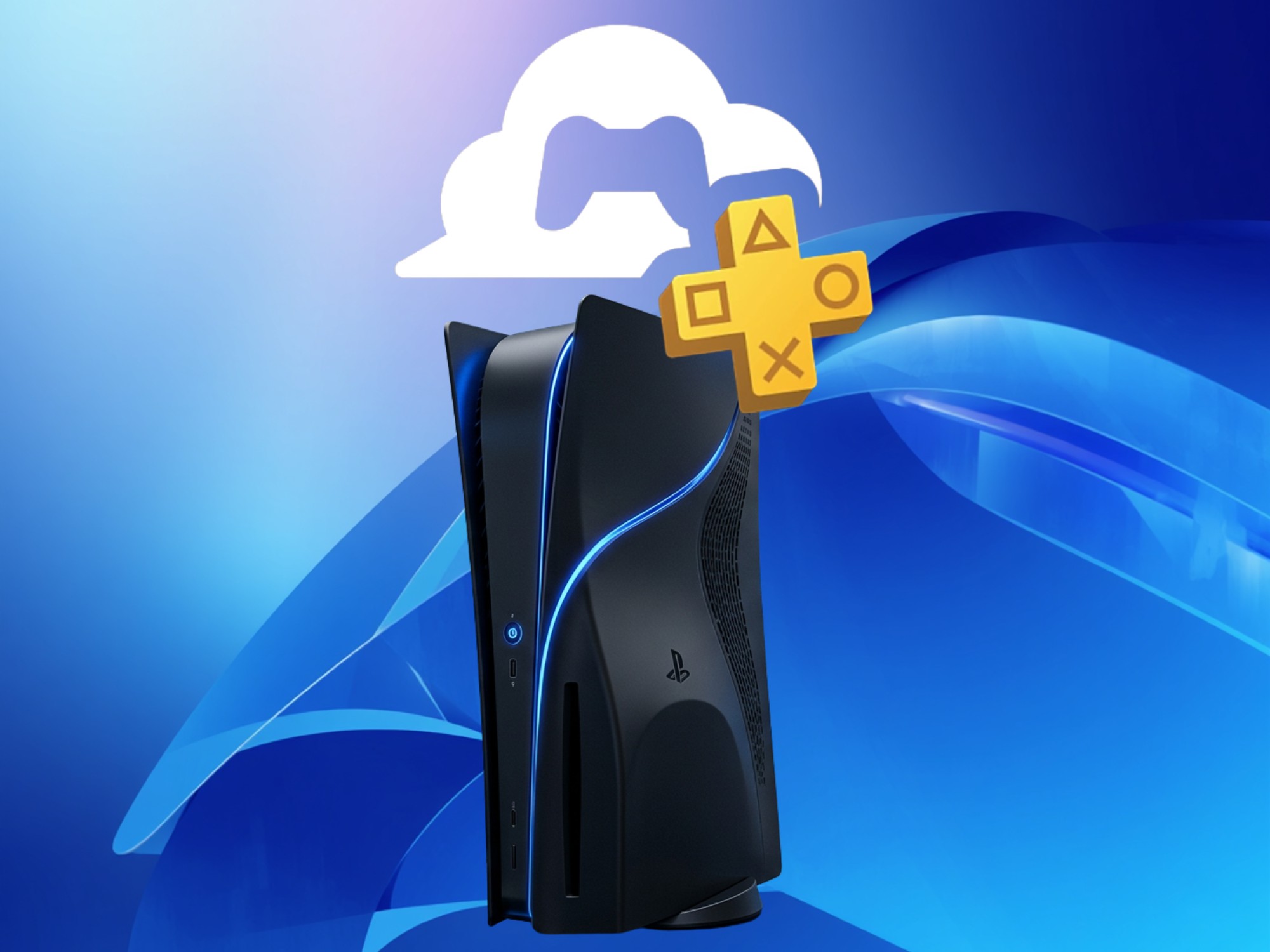
The gaming industry is entering a phase of intense speculation as the current console generation matures. With the PlayStation 5 having established a dominant footprint in the living room, attention is shifting toward its successor. Recent reports and industry leaks have begun to surface, suggesting that Sony is already laying the groundwork for the PlayStation 6, with a heavy emphasis on ecosystem continuity and infrastructure acceleration.
While Sony Interactive Entertainment has not officially unveiled the hardware or its specifications, leaked details suggest a strategic pivot toward seamless transitions between generations. The primary focus appears to be on cross-gen
support, ensuring that the vast library of PlayStation 5 titles remains playable and potentially enhanced on the novel hardware, thereby reducing the friction typically associated with console migrations.
Beyond backward compatibility, these early indicators point toward a significant overhaul of how games are delivered and stored. The rumors highlight a dual-track approach: integrating faster local storage solutions to eliminate load times entirely and scaling up cloud gaming capabilities to allow for high-fidelity streaming with minimal latency. For a global audience of gamers, this could indicate a future where the physical location of a game—whether on a local SSD or a remote server—becomes invisible to the user.
The Push for Cross-Generation Continuity
One of the most persistent themes in recent PS6 leaks is the commitment to PlayStation 5 game support. Historically, the transition between console generations often forced players to repurchase titles or lose access to their libraries. However, the industry trend is shifting toward a persistent ecosystem. By ensuring the PS6 can run PS5 software, Sony can maintain its active user base and encourage developers to create titles that span both platforms.
This strategy of backward compatibility is not merely a convenience for users but a critical business move. As gaming libraries develop into more digitized, the value of a platform is increasingly tied to the permanence of the digital collection. If the PS6 supports PS5 titles, it reinforces the value of the PlayStation Network (PSN) as a lifelong gaming hub rather than a temporary service tied to a specific piece of plastic.
Accelerating Cloud Gaming and Storage Architecture
The leaked details place a heavy emphasis on the evolution of cloud gaming. While Sony has integrated cloud streaming into the PlayStation Plus tiers, the next generation is expected to move beyond a supplementary feature. The goal appears to be the implementation of faster, more robust cloud infrastructure that could potentially allow for “instant play” functionality, where a game begins streaming the moment a user selects it, while the high-resolution assets download in the background.
Parallel to the cloud push is the expectation of advanced local storage. The PS5’s introduction of a custom NVMe SSD fundamentally changed game design by removing the need for “elevator rides” or long loading screens to mask data streaming. For the PS6, the leaks suggest an even faster storage architecture, likely utilizing newer PCIe standards to handle the massive data throughput required for 8K textures or more complex, seamless open worlds.
The synergy between ultra-fast local storage and high-speed cloud gaming suggests a hybrid model. In this scenario, the console could apply local storage for critical, latency-sensitive assets while leveraging the cloud for massive data sets, effectively expanding the available storage capacity without requiring physically larger drives.
Hardware Expectations and the Role of AI
While specific teraflop counts and CPU clock speeds remain unverified, industry analysts suggest that the PS6 will likely lean heavily into AI-driven performance. Much like the shift seen in PC gaming with NVIDIA’s DLSS or AMD’s FSR, Sony is expected to integrate advanced machine learning for upscaling and frame generation. This would allow the console to output high-resolution imagery without requiring the raw power that would make the hardware prohibitively expensive or power-hungry.
This shift toward AI-assisted rendering is a logical progression. As the industry pushes toward 4K and 8K resolutions, the hardware requirements for native rendering grow exponentially. By using AI to “fill in the gaps,” Sony can provide a visual leap over the PS5 while maintaining a sustainable form factor and price point.
Projected Technical Trajectory
| Feature | PlayStation 5 (Current) | PlayStation 6 (Leaked Focus) |
|---|---|---|
| Storage | Custom NVMe SSD | Next-Gen High-Throughput SSD |
| Compatibility | PS4 Backward Compatibility | Full PS5 Cross-Gen Support |
| Cloud Integration | Optional Streaming via PS Plus | Core “Instant Play” Infrastructure |
| Visuals | Native 4K / Ray Tracing | AI-Driven Upscaling / 8K Target |
Timeline and Market Positioning
Determining a release date for the PS6 requires looking at Sony’s historical release cycles. The PlayStation 4 launched in 2013 and the PlayStation 5 arrived in 2020, marking a seven-year gap. If Sony adheres to this cadence, a 2027 release window is the most plausible estimate. However, the emergence of the PS5 Pro suggests that Sony is attempting to extend the current generation’s lifespan by providing a mid-cycle performance boost.
The market positioning of the PS6 will likely be defined by its ability to integrate with other devices. With the growth of handheld gaming and mobile integration, there is speculation that the PS6 will be designed as the center of a broader ecosystem, allowing users to move seamlessly between a high-powered home console, a handheld device, and a cloud-based mobile experience.
From a competitive standpoint, Sony will be monitoring Microsoft’s movements closely. As the Xbox ecosystem moves further toward a service-first model via Game Pass, Sony’s focus on high-end hardware coupled with a robust, compatible library serves as a counter-strategy to maintain the “premium” allure of the PlayStation brand.
What This Means for the Consumer
For the average gamer, these leaks suggest a future with less risk. The fear of “buying into the wrong generation” is mitigated by cross-gen support. The emphasis on cloud gaming suggests that the barrier to entry for high-end gaming may lower, as the reliance on expensive local hardware could be partially offset by cloud capabilities.
However, it is important to remember that these details are based on leaks and industry patterns. Sony is known for pivoting its strategy late in the development cycle, and official specifications may differ significantly from early rumors. The transition to the PS6 will likely be defined not just by raw power, but by how well Sony can integrate AI and cloud services into a cohesive user experience.
The next significant checkpoint for the PlayStation community will likely be Sony’s upcoming corporate briefings or a “State of Play” event, where the company often hints at the long-term roadmap for its hardware and services. Until an official announcement is made, the gaming community remains in a state of anticipation, watching for the first concrete signs of the next leap in interactive entertainment.
Do you think cross-gen support is the most important feature for the next PlayStation, or should Sony focus entirely on a clean break with new technology? Share your thoughts in the comments below.