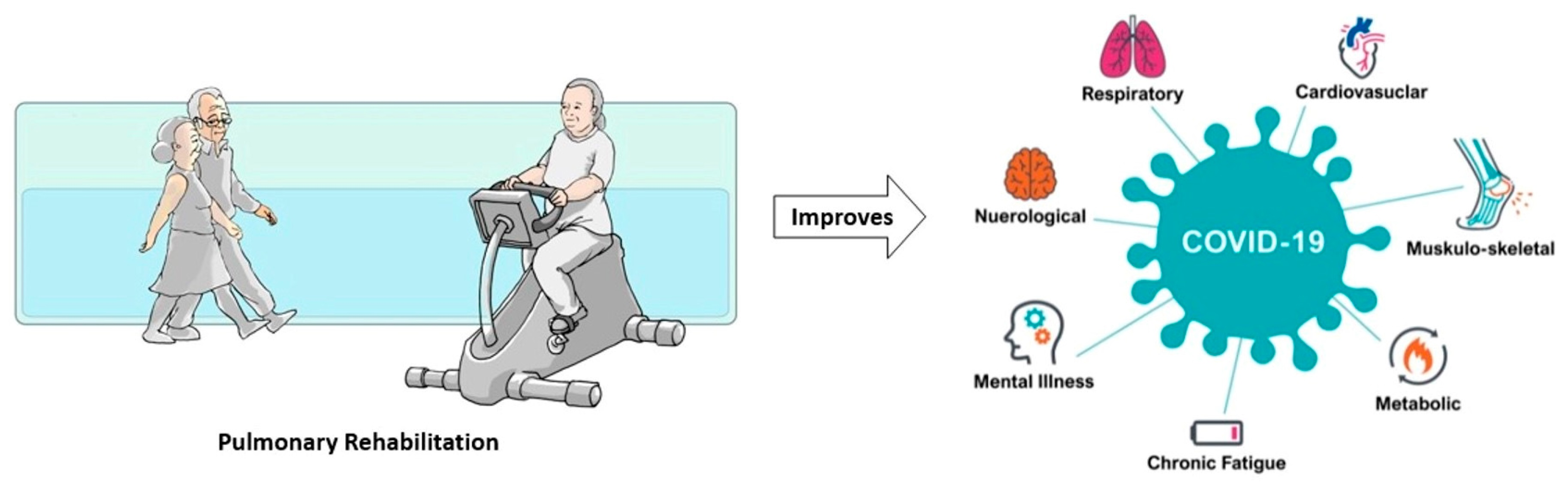
Pulmonary rehabilitation is a critical, medically supervised intervention for patients experiencing persistent respiratory symptoms following a COVID-19 infection. By combining physical exercise, breathing retraining, and education, this multidisciplinary approach aims to improve lung function and overall quality of life for those suffering from post-acute sequelae of SARS-CoV-2, commonly known as Long COVID. According to the World Health Organization, these structured programs are essential for managing the long-term impact of the virus on respiratory health.
The Role of Pulmonary Rehabilitation in Long COVID Recovery
For many individuals, the respiratory impact of COVID-19 extends well beyond the initial infection. Persistent shortness of breath, reduced exercise tolerance, and chronic cough are frequent complaints among patients recovering from the disease. Pulmonary rehabilitation provides a systematic way to regain physical function. As noted by the American Thoracic Society, these programs are not merely about exercise; they involve a comprehensive assessment of the patient’s current physical state, followed by a tailored regimen designed to strengthen the diaphragm and intercostal muscles while optimizing oxygen utilization.
The rehabilitation process typically begins with a thorough evaluation by a physician or a physical therapist specializing in respiratory conditions. This ensures that the exercises prescribed are safe for the individual’s specific level of lung impairment. Clinical data suggests that early intervention is key to preventing long-term disability. The Centers for Disease Control and Prevention (CDC) emphasizes that recovery pathways must be personalized, as the severity of post-COVID respiratory symptoms varies significantly between patients.
Components of a Successful Recovery Program
A standard pulmonary rehabilitation program consists of several core pillars, all of which are evidence-based. These include:
- Supervised Exercise Training: Low-to-moderate intensity aerobic activity that improves cardiovascular and muscular endurance without placing undue stress on the lungs.
- Breathing Techniques: Instruction in methods such as pursed-lip breathing and diaphragmatic breathing, which help patients control their breath and reduce the sensation of dyspnea.
- Education and Self-Management: Learning how to recognize early signs of respiratory fatigue and implementing pacing strategies to manage daily energy expenditure.
- Nutritional Support: Ensuring that the body has the fuel necessary to repair damaged tissues and maintain immune health.
According to research published by the National Institutes of Health, patients who participate in structured rehabilitation programs show measurable improvements in their six-minute walk test results and reported levels of breathlessness compared to those who attempt to recover without guided support.
Managing Expectations and Long-Term Health
It is important to understand that pulmonary rehabilitation is a gradual process. There is no single timeline for recovery, as the extent of lung tissue inflammation or scarring varies from person to person. Patients are often encouraged to track their progress through digital health logs or by working closely with a multidisciplinary team, which may include pulmonologists, physical therapists, and occupational therapists. The European Lung Foundation provides resources for patients to understand how these teams coordinate care to ensure that respiratory health is monitored continuously.
While the physical benefits are significant, the psychological impact of regaining the ability to breathe comfortably cannot be overstated. Chronic respiratory distress often leads to anxiety and social isolation. By restoring physical confidence, rehabilitation programs help patients transition back into their daily routines. Medical professionals stress that even minor improvements in lung capacity can translate into a substantial increase in a patient’s ability to perform work, engage in hobbies, and maintain social connections.
Next Steps for Patients Seeking Support
For those struggling with post-COVID respiratory issues, the first step is to consult with a primary care physician to obtain a referral for a formal pulmonary evaluation. Many major healthcare systems now offer dedicated post-COVID clinics that integrate rehabilitation services into their standard care models. Patients should consult their local health department or official government health portals to locate accredited rehabilitation centers in their region.
As research into the long-term effects of COVID-19 continues to evolve, clinical guidelines are updated periodically to reflect new findings. It is recommended that patients stay informed through official channels like the European Centre for Disease Prevention and Control for the latest updates on post-COVID care strategies. Please share your experiences or questions regarding respiratory recovery in the comments section below to help foster a supportive community for those on the path to healing.
Keep reading
- Cyclosporiasis Outbreak Sickens Over 4,300 in Michigan and Thousands Nationwide
- Save Up to 66% on Summer Essentials: Limited Time Offers
- 3 Years Away: Yoon Ah Yeon’s Health Changes After 13 Years of Isolation (newsdirectory3.com)
- Mediterranean Diet and Olive Oil: Health Benefits and Easy Tips (news-usa.today)