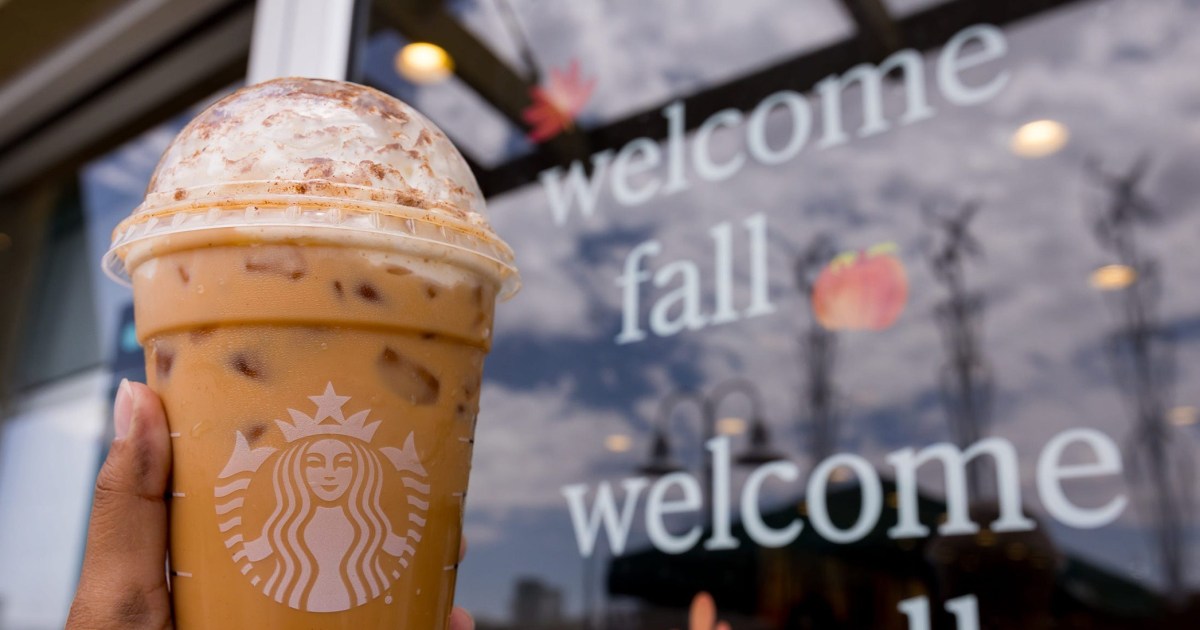
A growing number of people are embracing little treat culture
, opting for small, affordable indulgences instead of larger purchases. This trend, particularly noticeable in 2024, reflects a shift in spending habits as economic pressures rise. Studies consistently demonstrate that these small pleasures trigger the release of happy hormones
– dopamine, serotonin, and endorphins - providing a temporary mood boost.
However, frequent small purchases can quickly accumulate, potentially creating a strain on your finances. Consider that the cost of daily coffee, such as, can significantly impact your savings over time. It’s a pattern I’ve observed with many clients seeking financial wellness.
Recent data from a Bank of America survey reveals the extent of this phenomenon: 62% of millennials,59% of Gen Z,53% of Gen X,and 47% of Baby boomers who indulge in these treats
admit to overspending at least occasionally. this highlights a widespread challenge in balancing immediate gratification with long-term financial goals.
Fortunately, enjoying seasonal favorites doesn’t have to compromise your budget. Here’s how to navigate treat culture
responsibly:
Budgeting for Your Indulgences
Budget. First, determine how much you’re willing to spend on these small joys. Establishing a clear spending limit and sticking to it is crucial. Consider limiting yourself to a few splurges each month to maintain control.
Buy premade. Purchasing ready-to-enjoy versions of your favorite treats from the grocery store can be a cost-effective option. For instance, a 40-ounce bottle of Starbucks’ iced espresso pumpkin spice latte currently retails for around $6.99 – equivalent to roughly three grande lattes purchased in-store. Similarly, a 32-ounce bottle of pumpkin spice cold brew concentrate is priced between $11.99 and $13.99, while a 13.7-ounce pumpkin spice Frappuccino costs approximately $4.19.
Make it at home. Crafting your own versions of popular treats can save you money. Starbucks’ pumpkin spice ground coffee is available for $11.99 to $13.99 per 10-ounce bag. K-Cup pods are priced between $10.49 and $12.49 for a box of 10,and nespresso vertuo coffee capsules cost around $11.98 for an eight-count pack. Starbucks also offers pumpkin spice latte-inspired creamer for $5.99.Dunkin’ provides similar options,with 11 ounces of pumpkin spice ground coffee at $7.90 and K-Cups at $9.14.Pumpkin Munchkin creamer is $5.69,pumpkin spice cold brew coffee concentrate is $8.69,and a four-pack of spiked pumpkin spice latte (containing alcohol) is $4.99.
Create your own version. If pre-made options are still to expensive, consider making your own from scratch. The core ingredients for a pumpkin spice latte include espresso, milk or creamer, pumpkin puree, vanilla extract, a sweetener (like sugar or maple syrup), and spices such as cinnamon, nutmeg, cloves, and ginger. A dollop of whipped cream and a sprinkle of pumpkin pie spice can elevate the experience.
Rewards. Maximize your savings by taking advantage of loyalty programs offered by coffee shops. Sign up for discounts, special offers, and birthday rewards. Don’t forget to opt-in for notifications about sales and promotions to ensure you don’t miss out on a good deal.
Gift cards. Explore opportunities to save money by purchasing discounted gift cards or earning cash back on your coffee purchases. Websites like Gift Card Granny, Raise, and CardCash can help you find the best deals.
Understanding the Psychology of Small Treats
The appeal of little treat culture
lies in its accessibility and immediate gratification. In a world frequently enough characterized by uncertainty and long-term financial goals, these small indulgences provide a sense of control and pleasure. I’ve seen firsthand how these purchases can act as a coping mechanism for stress or a reward for completing tasks.
However, it’s essential to be mindful of the potential for these habits to become problematic. The dopamine rush associated with each purchase can be addictive, leading to impulsive spending and financial regret.
The Impact of Inflation on Treat Spending
Rising inflation in 2024 has exacerbated the challenge of balancing treats with financial duty. As the cost of everyday goods and services increases, the temptation to indulge in small pleasures may grow stronger. according to the Bureau of Labor statistics, food away from home prices increased by 4.5% in the 12 months ending in july 2024. This means your usual coffee run is costing you more than it did last year.
Did You Know? A recent survey by forbes Advisor found that 38% of Americans are actively cutting back on non-essential spending due to inflation.
Practical Strategies for Mindful Indulgence
Here’s a breakdown of cost comparisons to help you make informed decisions:
| Item | Cost (Approximate) |
|---|---|
| Starbucks Grande Pumpkin Spice Latte (in-Store) | $6.00 – $7.00 |
| Starbucks 40oz Pumpkin Spice Latte (Premade) | $6.99 |
| Starbucks 32oz Pumpkin Spice Cold Brew Concentrate | $11.99 - $13.99 |
| Homemade Pumpkin Spice Latte (Ingredients) | $3.00 – $5.00 (per serving) |
Pro Tip: Consider swapping one or two of your weekly treats for a free or low-cost alternative, such as a walk in nature, a phone call with a friend, or a relaxing bath.
Beyond budgeting and DIY options,explore alternative ways to boost your mood without spending money. Practicing gratitude, engaging in hobbies, and spending time with loved ones can provide similar emotional benefits.
Remember, mindful spending isn’t about deprivation; it’s about making conscious choices that align with your values and financial goals. It’s about enjoying the small things in life without sacrificing your long-term well-being.
Are you finding it difficult to curb your spending on small treats? What strategies have you found most effective? Share your thoughts in the comments below!
The long-Term View: Building Lasting Financial Habits
While little treat culture
is a current trend, the underlying principles of mindful spending and financial wellness are timeless. Building sustainable financial habits requires a long-term perspective and a commitment to self-awareness. It’s about understanding your spending triggers, setting realistic goals, and making informed decisions that support your overall well-being.

David Gaudu Takes Vuelta Lead: Red Jersey Victory
Alison Brie: Best Movies & TV Shows – Ranked (2024)


Related Posts

Mao Zedong Quiz: Test Your Knowledge of China’s Revolutionary Lea ...
December 26, 2025
Putin in Prostokvashino: Animated Russian Leader Sparks Controver ...
December 26, 2025