Building Push-Up Strength After 50: A Guide to Lasting Power
As we age,maintaining strength isn’t about chasing personal records; it’s about preserving functionality and quality of life. This is especially true when it comes to upper body strength, and the humble push-up remains a cornerstone exercise. I’ve seen firsthand how a thoughtful approach to push-up training can unlock remarkable strength and resilience, even well past the age of 50.
Forget the idea that you need to grind out endless reps. Building push-up power at this stage of life requires patience, clever programming, and a deep respect for your body’s needs. Let’s dive into how you can build - and maintain – impressive pressing strength for years to come.
Why Push-Ups Are Perfect for the over-50 Crowd
Push-ups offer a unique blend of benefits. They require no equipment, can be modified to suit any fitness level, and work multiple muscle groups simultaneously. More importantly, they build functional strength – the kind of strength you use in everyday activities.
However, connective tissues become more vulnerable with age. Therefore, prioritizing quality movement and mindful progression is paramount. Every repetition should be performed with intention, focusing on proper form over sheer volume.
Your Blueprint for Push-Up Success
Here’s a breakdown of how to structure your push-up training for optimal results and injury prevention:
* Prioritize a Thorough Warm-Up. Begin every session with dynamic movements like band pull-aparts, scapular push-ups, and arm circles. This prepares your shoulders and upper back for the work ahead.
* Engage Your Core. Maintaining full core tension throughout each rep is non-negotiable. It protects your spine and provides a stable base for pressing.
* Frequency is Key. Aim to train push-ups two to three times per week. This allows for adequate recovery while consistently stimulating strength gains.
* Embrace Variation. Rotate your push-up variations weekly to challenge your muscles in new ways and prevent overuse injuries. Consider incline push-ups, decline push-ups, wide-grip, or narrow-grip variations.
* Slow Down for Strength. Focus on slow, controlled repetitions. This enhances muscle coordination, supports tissue health, and maximizes time under tension.
* Balance is Essential. Pair your push-up work with pulling exercises like rows or band face pulls.This maintains shoulder balance, improves posture, and prevents imbalances.
Sample Push-Up progression
Not everyone can drop and bang out 20 perfect push-ups right away. That’s perfectly okay! Here’s a sample progression to help you build up:
- Wall Push-Ups: Start by performing push-ups against a wall. This reduces the load and allows you to focus on form.
- Incline Push-Ups: Progress to incline push-ups using a sturdy bench or box.The higher the incline, the easier the exercise.
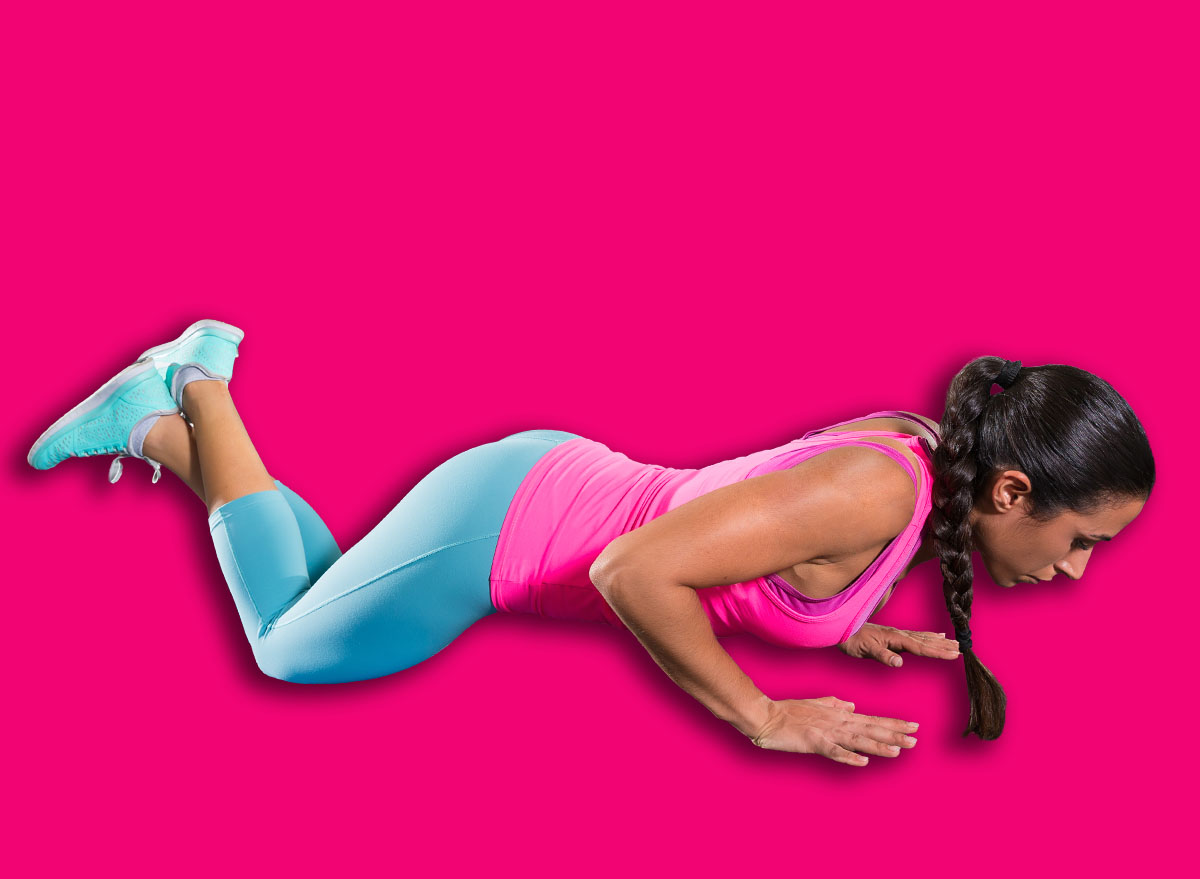
- Knee Push-Ups: Once you can comfortably perform incline push-ups, move to knee push-ups.
- Assisted Push-Ups: Use resistance bands to assist with the movement, gradually decreasing the assistance as you get stronger.
- Full Push-Ups: work towards performing full push-ups with proper form.
Listen to Your Body
I can’t stress this enough: pay attention to your body. Don’t push through pain. Rest when you need to. And remember, consistency is far more significant than intensity.
Building strength after 50 isn’t about becoming a younger version of yourself. It’s about optimizing your physical capabilities and enjoying a vibrant, active life. with a smart, patient approach, you can unlock a level of strength you never thought possible.