Rising Tensions: U.S.-Venezuela Confrontation Escalates in teh Caribbean
The situation in the Caribbean Sea is rapidly intensifying, marked by a recent U.S. military seizure of a Venezuelan oil tanker and escalating rhetoric from both Washington and Caracas.This confrontation underscores a deepening power struggle with meaningful implications for regional stability and global energy markets. Let’s break down the key developments and what they mean for you.
A Tangled Web of Accusations and actions
Recently, U.S. forces boarded and seized a Venezuelan oil tanker in a dramatic operation involving troops rappelling from helicopters. This action instantly ratcheted up tensions already simmering between the two nations. Washington alleges that Venezuela’s leadership is involved in drug trafficking,accusations vehemently denied by Caracas.
Venezuela, in turn, contends that the U.S. is pursuing regime change motivated by the country’s substantial oil reserves. This narrative resonates with a history of U.S. intervention in Latin America, fueling distrust and animosity.
Military Posturing and Regional Impact
The U.S. has demonstrably increased its military presence near Venezuela, deploying warships capable of offensive action. Reports indicate at least 87 individuals have been killed in over 22 incidents involving boats in the Eastern Pacific and Caribbean, raising concerns about unintended escalation.
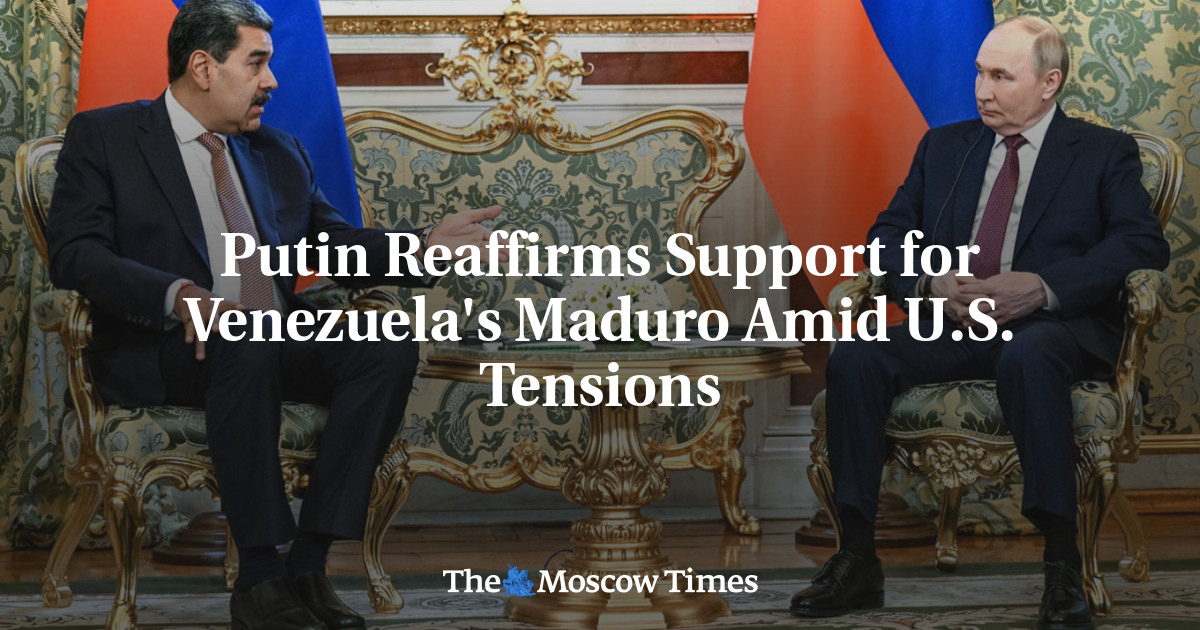
These developments aren’t happening in a vacuum. Venezuela continues to receive strong political and economic support from Russia, which has publicly affirmed its commitment to upholding Venezuela’s sovereignty and regional peace. this external support complicates the situation, potentially turning a bilateral dispute into a proxy conflict.
What Does This Mean for You?
While the immediate conflict is geographically contained, the repercussions could be far-reaching:
* Energy Markets: Venezuela possesses some of the world’s largest proven oil reserves. Disruptions to Venezuelan oil production or exports could significantly impact global oil prices, affecting your energy costs.
* Regional Instability: A prolonged conflict could destabilize the Caribbean region, potentially leading to increased migration flows and humanitarian crises.
* Geopolitical Implications: The U.S.-Venezuela standoff is a key component of broader geopolitical competition, notably involving Russia’s growing influence in Latin America.
* Shipping and Trade: Increased military activity in the Caribbean poses risks to commercial shipping and trade routes, potentially impacting supply chains and costs.
Understanding the Core Issues
Several factors contribute to this escalating crisis:
* Political Polarization: Deep ideological differences between the U.S. and Venezuela’s government fuel mutual distrust and hinder diplomatic solutions.
* Economic Sanctions: U.S. sanctions imposed on Venezuela have crippled its economy, exacerbating humanitarian concerns and contributing to political instability.
* drug Trafficking Allegations: The U.S.accusations of high-level involvement in drug trafficking add another layer of complexity to the relationship.
* external Influence: Russia’s support for Venezuela provides a counterweight to U.S. influence and complicates efforts to find a resolution.
Looking Ahead
The current trajectory is concerning. De-escalation requires a multifaceted approach:
* Diplomatic Engagement: Direct talks between the U.S. and Venezuela, potentially mediated by a neutral third party, are crucial.
* humanitarian Assistance: Addressing the humanitarian crisis in Venezuela could help alleviate some of the underlying tensions.
* Sanctions Review: A careful review of U.S. sanctions, considering their impact on the Venezuelan population, is warranted.
* Regional Cooperation: Engaging regional actors, such as Mexico and Brazil, could foster a more collaborative approach to resolving the crisis.
Ultimately, a peaceful resolution requires a willingness from all parties to prioritize dialog, respect international law, and address the underlying causes of the conflict. The stakes are high,and the consequences of inaction could be severe.