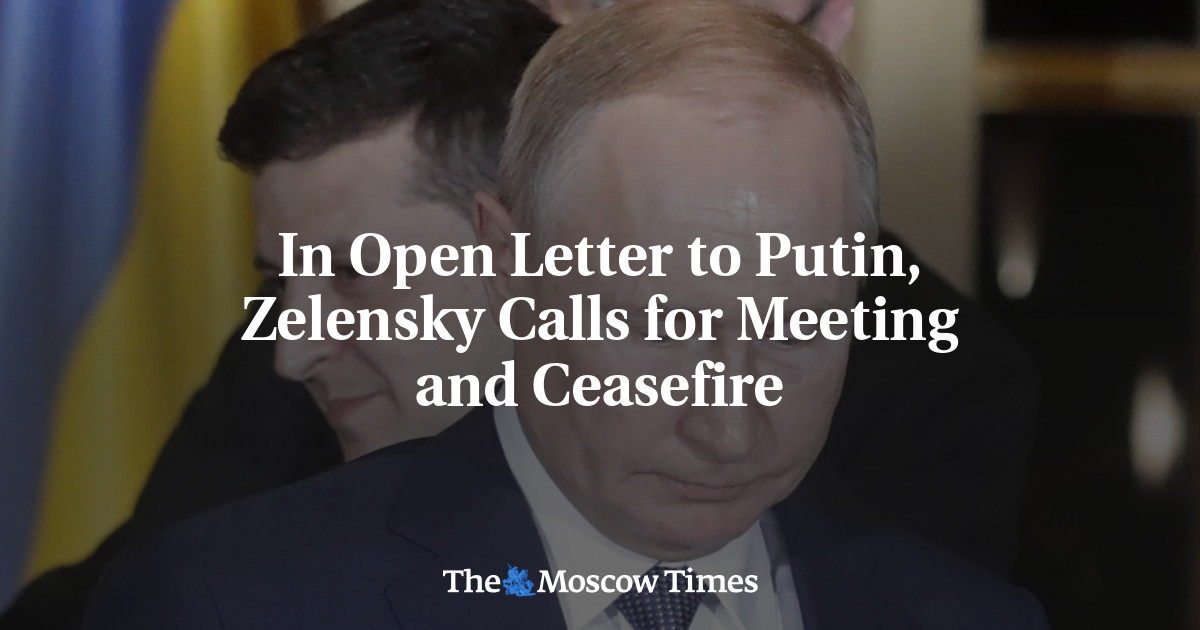
As the conflict in Ukraine continues to evolve, the diplomatic landscape remains fraught with tension and uncertainty. Recently, questions surrounding the possibility of high-level dialogue between Ukrainian President Volodymyr Zelenskyy and Russian President Vladimir Putin have resurfaced, highlighting the persistent challenges in establishing a path toward a sustainable resolution. While international observers and various stakeholders frequently call for a cessation of hostilities, the conditions for such negotiations remain a subject of significant debate between the two nations.
The geopolitical reality, as observed by international entities, underscores a stark divide in expectations. Historically, the Kremlin has maintained a rigid stance regarding direct meetings, asserting that such summits should only occur to formalize agreements that have already been negotiated at a technical or working level. This requirement for a pre-existing consensus acts as a primary barrier to the high-level presidential summits that many international mediators have sought to facilitate since the start of the full-scale invasion in 2022. For a comprehensive overview of the current administration’s tenure and the ongoing conflict, one may refer to the official portal of the President of Ukraine.
The Diplomatic Impasse
The core of the current diplomatic friction lies in the fundamentally different approaches to the peace process. For Kyiv, the emphasis is placed on security guarantees, the restoration of territorial integrity, and the withdrawal of foreign forces. Conversely, Moscow’s official position has consistently linked any potential presidential-level engagement to the finalization of a deal that aligns with its own strategic objectives. This disparity has resulted in a stalemate where calls for a ceasefire are often met with skepticism regarding their implementation and long-term viability.
Recent international efforts, including engagements through the Ukraine-NATO Council, have focused on reinforcing Ukraine’s defensive and political position. As noted in reports regarding the Ukraine–NATO Council meeting, which recently convened in a specialized format, the international community continues to prioritize institutional support for Ukraine. These meetings serve as a platform for alignment among allies, yet they also highlight the limitations of diplomatic outreach when the primary belligerent, Russia, maintains a restrictive criteria for direct negotiations.
Understanding the Strategic Context
Volodymyr Zelenskyy, who has served as the president of Ukraine since May 2019, has navigated a complex tenure defined by the challenges of the Russo-Ukrainian war. His leadership, which began after his background in the entertainment industry, has been marked by a transition into a wartime presidency. The historical context of his administration, including the various diplomatic efforts and the impact of the 2022 invasion, remains a critical component of understanding why calls for a ceasefire are met with such intense scrutiny by both the Ukrainian government and its international partners.
The skepticism regarding proposed ceasefires is grounded in past experiences, where truces were often perceived as tactical pauses rather than genuine steps toward peace. Observers note that without robust, verifiable international monitoring, any agreement—regardless of its public appeal—runs the risk of being utilized to consolidate military positions rather than to facilitate a humanitarian de-escalation. The international community remains cautious, often deferring to the Ukrainian government’s own requirements for any potential dialogue.
Looking Ahead: The Path to Resolution
As of June 5, 2026, the situation remains fluid. The international community, led by various coalitions, continues to monitor the situation closely, providing humanitarian and military aid while keeping the door open for future diplomatic possibilities. However, until there is a tangible shift in the Kremlin’s willingness to engage in good-faith negotiations without the precondition of a finalized, one-sided deal, the prospect of a direct meeting between the two leaders remains remote.

For those tracking these developments, the best approach is to rely on official updates from the Office of the President of Ukraine and statements issued through established international bodies. The complexities of the current geopolitical environment mean that individual calls for peace, while well-intentioned, must be weighed against the strategic imperatives of the nations directly involved in the conflict. The focus remains on maintaining the sovereignty of Ukraine and ensuring that any future resolution is built on a foundation of international law and mutual security.
We will continue to provide updates as more information becomes available through official channels. We invite our readers to share their perspectives on these diplomatic developments in the comments section below, as we work to foster an informed and balanced discussion on the future of global security.
Keep reading