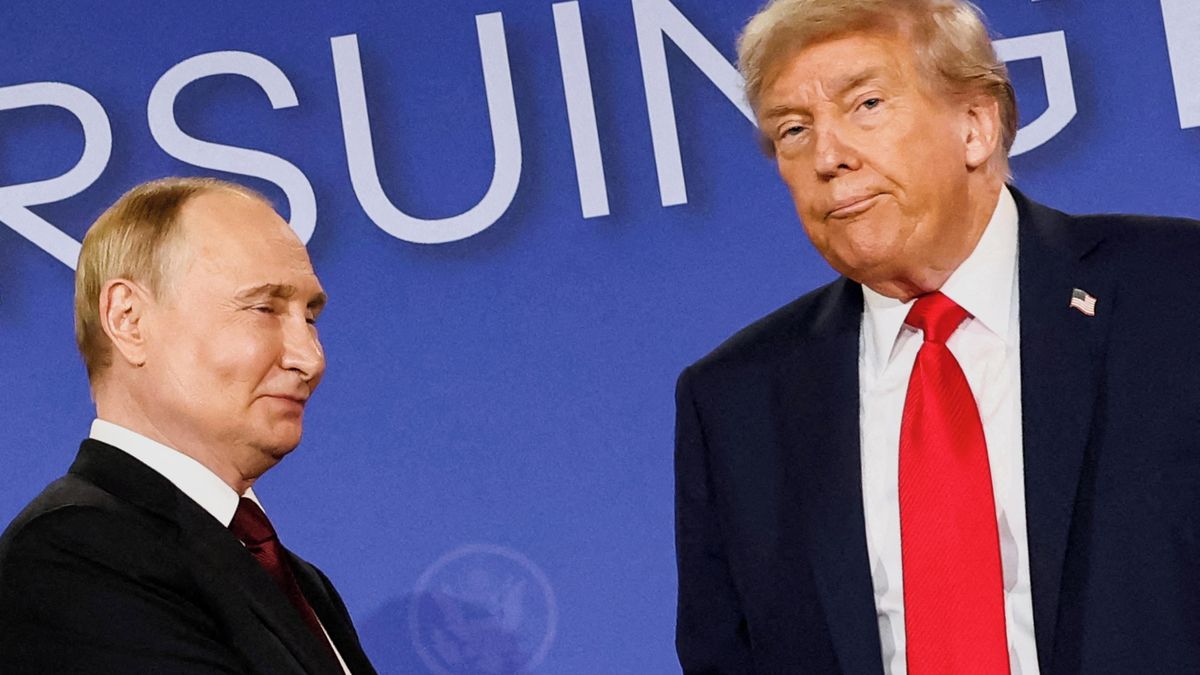
Report of a Telephone Conversation Between Presidents Putin and Trump Sparks Geopolitical Scrutiny
Sofia, Bulgaria – A recently reported telephone conversation between Russian President Vladimir Putin and former U.S. President Donald Trump has drawn international attention, occurring against a backdrop of escalating global tensions, particularly concerning the conflicts in Ukraine and Iran. The discussion, initiated by Trump according to reports, comes as the U.S. And Israel continue military actions against Iran and as the war in Ukraine persists. This communication marks a significant, though currently limited, point of contact between the two leaders, raising questions about potential shifts in geopolitical strategy and the ongoing efforts to navigate complex international crises. The details emerging from the conversation, as relayed through Russian sources, suggest a focus on both de-escalation and potential pathways toward resolution in these critical areas.
The reported call, which lasted approximately one hour, represents the first known contact between Putin and Trump since the intensification of the conflict in the Middle East involving Iran. According to a statement from Yuri Ushakov, an advisor to President Putin, the conversation was described as “businesslike, frank, and constructive,” mirroring the typical tenor of dialogue between Russian and American leaders. This characterization, however, stands in contrast to the often-contentious public rhetoric that defined the relationship between Trump and Putin during the former’s presidency. The timing of the call, coinciding with heightened military activity and diplomatic maneuvering, underscores the urgency felt by both sides to engage in direct communication, even outside of formal governmental channels.
Trump’s Focus on Ukraine and Putin’s Proposals for Iran
Reports indicate that a key topic of discussion initiated by Trump was the ongoing war in Ukraine. He reportedly expressed his desire for a swift resolution to the conflict, a position consistent with his previous public statements. Trump has repeatedly stated his belief that a peace deal could be reached if he were still in office, often placing blame for the continuation of the war on current Ukrainian leadership. This stance has been met with criticism from both sides of the political spectrum, with many arguing that it overlooks the complexities of the situation and the sovereignty of Ukraine.
Simultaneously, Putin reportedly presented several proposals aimed at de-escalating the conflict in Iran. While the specifics of these proposals have not been publicly disclosed, their presentation suggests a Russian willingness to play a mediating role in the region. Russia maintains close ties with Iran, and its involvement in any potential negotiations could be crucial. The United States and Israel have been conducting military operations against Iran in response to attacks by Iranian-backed groups, escalating tensions in an already volatile region. The exact nature of the U.S. And Israeli actions, and the justification for them, remain subjects of intense debate and scrutiny.
Context: The Evolving Dynamics of the Iran Conflict
The recent escalation involving Iran is rooted in a complex web of regional conflicts and geopolitical rivalries. The conflict has been fueled by a series of attacks and counterattacks between Iran-backed groups and U.S. And Israeli forces. These attacks have targeted military installations, shipping lanes, and infrastructure in the region, raising concerns about a wider regional war. The United States has accused Iran of supporting these groups and providing them with weapons and training, while Iran denies these allegations. The situation is further complicated by the ongoing negotiations over Iran’s nuclear program, which have stalled in recent months.
The involvement of Israel adds another layer of complexity to the situation. Israel views Iran as an existential threat and has repeatedly warned that it will take action to prevent Iran from developing nuclear weapons. Israel has conducted numerous airstrikes against Iranian targets in Syria and elsewhere, and has been a vocal advocate for tougher sanctions against Iran. The U.S. Has historically maintained a close alliance with Israel, providing it with significant military and economic assistance. However, the Biden administration has also expressed its commitment to diplomacy and has sought to revive the nuclear negotiations.
The Broader Geopolitical Implications
The telephone conversation between Putin and Trump occurs at a critical juncture in international affairs. The ongoing war in Ukraine continues to reshape the geopolitical landscape, with far-reaching consequences for global security and stability. The conflict has led to a significant increase in military spending, a renewed focus on defense alliances, and a growing sense of uncertainty about the future of the international order. The war has also had a devastating impact on the Ukrainian economy and has caused a humanitarian crisis, with millions of Ukrainians displaced from their homes.
The situation in Iran adds another layer of complexity to this already challenging environment. A wider conflict in the Middle East could have catastrophic consequences, potentially drawing in other regional powers and disrupting global energy supplies. The potential for escalation is high, and the risk of miscalculation is significant. The involvement of the United States and Israel in the conflict further complicates the situation, as any misstep could lead to a direct confrontation with Iran.
The fact that Trump, a former U.S. President, initiated this conversation with Putin raises questions about the role of unofficial diplomacy in resolving international crises. While the current U.S. Administration has not commented on the call, it is likely that officials are closely monitoring the situation and assessing the potential implications. The conversation could be seen as an attempt by Trump to reassert his influence on the world stage, or as a genuine effort to facilitate a dialogue between the two countries.
Analyzing the Potential Impact on the Ukraine War
Trump’s expressed desire for a swift complete to the war in Ukraine aligns with his long-held skepticism towards providing extensive aid to the country. Throughout his presidency and in subsequent public appearances, Trump has questioned the strategic value of supporting Ukraine and has suggested that European countries should bear a greater share of the burden. This position has drawn criticism from both Democrats and Republicans, who argue that supporting Ukraine is essential for deterring Russian aggression and upholding the principles of international law.
Putin, for his part, has consistently maintained that Russia’s goals in Ukraine are limited to protecting the rights of Russian-speaking populations and preventing the expansion of NATO. However, these claims have been widely disputed by Western governments, who accuse Russia of pursuing a broader agenda of territorial expansion and undermining Ukrainian sovereignty. The possibility of a negotiated settlement to the conflict remains uncertain, and any potential agreement would likely require significant concessions from both sides.
The current stalemate on the battlefield, coupled with the economic and political costs of the war, is creating pressure on both Russia and Ukraine to uncover a way to de-escalate the conflict. However, deep-seated mistrust and conflicting objectives continue to pose significant obstacles to any meaningful progress. The role of external actors, such as the United States and the European Union, will also be crucial in shaping the outcome of the war.
The ongoing conflict in Ukraine has already had a profound impact on the global economy, disrupting supply chains, driving up energy prices, and contributing to inflation. A prolonged war could have even more severe consequences, potentially leading to a global recession. The humanitarian crisis in Ukraine is also a major concern, with millions of people displaced from their homes and in need of assistance.
Key Takeaways:
- A telephone conversation took place between Vladimir Putin and Donald Trump, initiated by the former U.S. President.
- The discussion reportedly covered the wars in Ukraine and Iran, with Trump expressing interest in a swift resolution to the conflict in Ukraine.
- Putin reportedly presented proposals for de-escalation in Iran.
- The call occurs amidst heightened geopolitical tensions and raises questions about the role of unofficial diplomacy.
The international community will be closely watching for any further developments in the wake of this reported conversation. The next steps in the ongoing negotiations regarding the Iran nuclear program, scheduled for review by the International Atomic Energy Agency (IAEA) in March, will be particularly significant. The IAEA website provides updates on these discussions. Further analysis of the situation and continued diplomatic efforts will be crucial in navigating these complex challenges and preventing further escalation. We encourage readers to share their thoughts and perspectives on these critical issues in the comments below.
Keep reading