The Enduring Partnership: Decoding Putin’s Visit to India and its global Implications
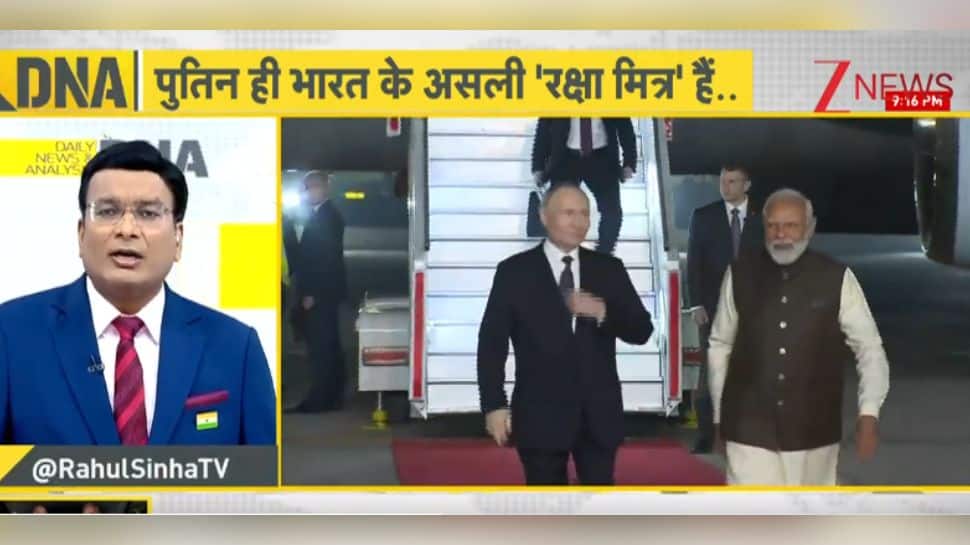
Vladimir Putin’s recent visit to India has sent ripples across the geopolitical landscape, prompting heightened attention and analysis worldwide. It’s a relationship built on decades of trust and strategic alignment, and this trip signals a deepening of that bond at a critical juncture. Let’s unpack what this means for India, Russia, and the world.
A history of Strategic Alignment
For years, Russia has been a steadfast partner to India, particularly in defense. I’ve found that this relationship isn’t simply transactional; it’s rooted in a shared worldview and a mutual desire for a multipolar world. Putin’s “Turn to East” doctrine in 2000 explicitly identified india as a key pillar of its foreign policy, establishing economic corridors and fostering closer ties.
His admiration for India is well-documented. In a 2024 interview, he openly lauded India as a “superpower,” recognizing its burgeoning economy, skilled workforce, and rich cultural heritage. This isn’t just diplomatic rhetoric; it reflects a genuine appreciation for India’s potential.
Navigating a Complex Global Stage
The timing of this visit is particularly significant. Global tensions are high,and the international order is undergoing a period of rapid change. Here’s how the India-russia partnership plays into this:
* Defense Cooperation: Russia has consistently supported India’s defense needs, even in the face of potential repercussions from other nations. Delivering the S-400 air defense system despite U.S. sanctions threats is a prime example of this commitment.
* Economic Resilience: India’s continued trade with Russia, particularly in oil, during the ukraine conflict demonstrates its strategic autonomy and its ability to pursue its national interests.
* Shared Concerns: Both nations share concerns about the evolving security landscape in Asia, including the situation in Afghanistan and the rise of extremism.
What to Expect: Potential New Agreements
During this visit, observers anticipate potential breakthroughs in defense cooperation. Putin may offer India advanced systems like the S-500 air-defense platform or the fifth-generation Su-57 fighter jet. These would significantly bolster India’s military capabilities.
Beyond defense, expect discussions on:
* Expanding Trade: Further strengthening economic ties, including exploring new opportunities in energy, technology, and infrastructure.
* Ruble-Rupee Trade: Expanding the use of national currencies for trade to reduce reliance on the U.S. dollar.
* Joint Projects: Collaborating on projects in areas like space exploration and nuclear energy.
India’s Balancing Act
India is skillfully navigating a complex geopolitical landscape, maintaining strong relationships with multiple global powers. It’s a delicate balancing act, but one that serves India’s national interests. here’s what you need to understand:
* Strategic Autonomy: India prioritizes its own strategic autonomy and refuses to be dictated to by any single nation.
* Diversified Partnerships: while strengthening ties with Russia, India continues to deepen its partnerships with the United States, Japan, and other countries.
* Regional Stability: India is committed to maintaining regional stability and promoting a peaceful and prosperous indo-Pacific region.
A New Chapter in a Long-Standing relationship
Accompanied by a large delegation of ministers, Putin’s visit underscores the depth and importance of the India-Russia relationship. As Defense Minister Rajnath Singh stated, India eagerly awaited his arrival. This visit isn’t just a symbolic gesture; it’s expected to usher in a new era of cooperation and partnership.
Ultimately, the enduring bond between India and Russia is a testament to the power of strategic alignment, mutual respect, and a shared vision for a more balanced and multipolar world. It’s a relationship that will continue to shape the geopolitical landscape for years to come.
Worth a look