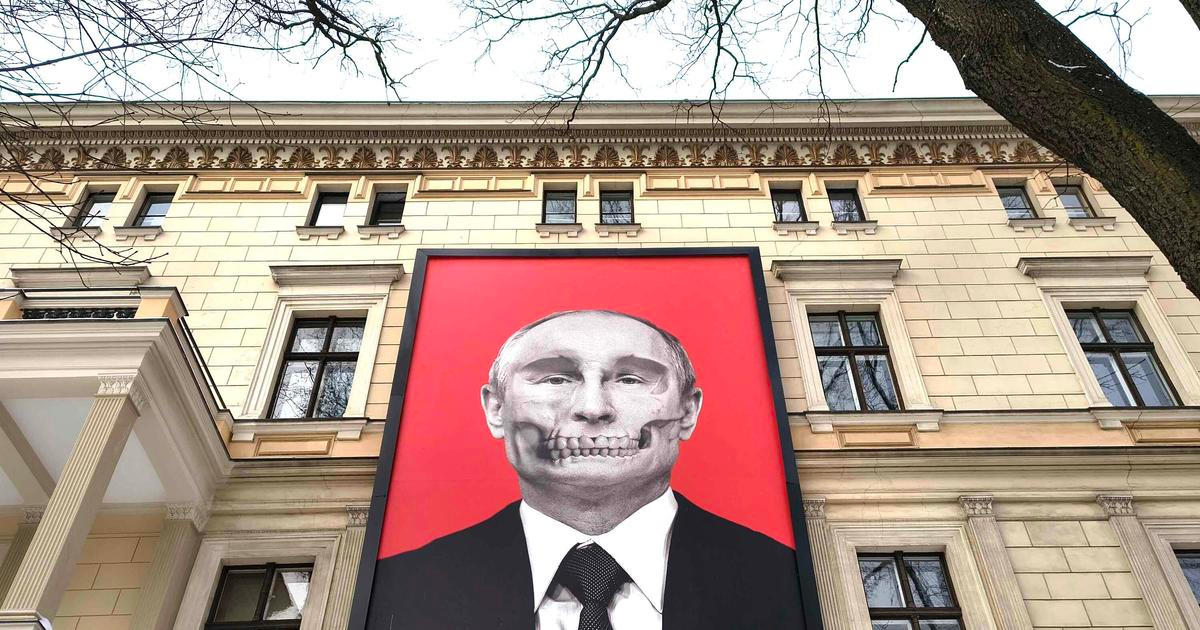
As tensions continue to reverberate across Eastern Europe following Russia’s full-scale invasion of Ukraine, neighboring countries are grappling with complex security dilemmas and internal pressures. Among them, Moldova has emerged as a focal point of growing concern, with intelligence assessments and political developments suggesting it may be facing heightened risks of external influence and hybrid tactics. The compact, landlocked nation, already navigating a pro-European shift in governance, is confronting a dual challenge: safeguarding its sovereignty while managing internal divisions exacerbated by disinformation campaigns and allegations of collaboration with foreign interests.
Recent statements from Moldovan officials and security analysts have underscored fears that Moscow may seek to destabilize the country as part of a broader strategy to prevent further alignment with NATO and the European Union. While no direct military aggression has occurred, reports indicate a rise in pro-Russian rhetoric, increased disinformation circulating through social media and local outlets, and growing scrutiny of individuals and groups perceived as sympathetic to Moscow’s position. These developments have prompted a national conversation about loyalty, resilience, and the fragile balance between openness and vigilance in the face of external pressure.
Moldova’s pro-Western trajectory, solidified by the election of President Maia Sandu in 2020 and her re-election in 2024, has positioned the country as a potential target in Russia’s efforts to counter Western influence in its perceived sphere of interest. Sandu’s government has pursued European integration, including candidate status for EU membership granted in June 2022, while simultaneously taking steps to reduce energy dependence on Russia and counter alleged illicit financing. These moves have drawn both praise from Western partners and sharp criticism from Kremlin-aligned voices, who frame them as hostile acts.
In response to perceived threats, Moldovan authorities have intensified monitoring of foreign influence, particularly regarding funding sources for political parties and media outlets. In early 2024, the Constitutional Court upheld a decision to ban several pro-Russian politicians from holding office, citing violations related to illicit campaign financing and threats to national security. The individuals involved, including figures associated with the Shor Party, have denied wrongdoing and accused the government of politicizing justice. International observers, including the OSCE’s Office for Democratic Institutions and Human Rights (ODIHR), have noted concerns about due process while acknowledging the legitimacy of safeguarding electoral integrity.
Security services have also reported an uptick in cyber operations targeting government institutions and critical infrastructure, though attributing such attacks with certainty remains challenging. Moldovan cybersecurity officials have collaborated with partners from the EU and NATO to strengthen defenses, citing the need for resilience against hybrid threats that blend disinformation, economic pressure, and covert influence. The government has emphasized that its actions are defensive, aimed at preserving democratic processes rather than suppressing dissent.
Meanwhile, public opinion remains divided. While polls consistently reveal a majority of Moldovans support EU integration, significant portions of the population—particularly in Russian-speaking communities and rural areas—express skepticism about Western alignment and fear economic repercussions from distancing Moscow. This divergence has been exploited in online spaces, where narratives portraying the West as decadent or threatening traditional values gain traction alongside claims that Moldova is being dragged into a conflict not its own.
Experts warn that labeling all criticism of government policy as “collaboration” risks deepening societal fractures. Civil society groups have urged caution, advocating for transparent, evidence-based approaches to identifying undue influence rather than broad accusations that could undermine trust in institutions. At the same time, they stress the importance of protecting democratic space from covert interference, noting that the line between legitimate dissent and foreign-influenced activity can be difficult to discern without robust oversight.
The situation in Moldova reflects a broader pattern observed in other vulnerable democracies near Russia’s borders, where hybrid tactics are employed to exploit internal weaknesses without triggering overt military confrontation. As the country prepares for upcoming municipal elections and continues its EU accession journey, the ability to discern and respond to external pressures while maintaining social cohesion will be critical. International partners have pledged continued support, including through the EU’s Eastern Partnership and NATO’s partnership programs, but the ultimate resilience of Moldova will depend on its capacity to navigate these challenges with clarity, fairness, and unity.
For updates on Moldova’s security situation, EU accession progress, and official statements from the Presidency or the Information and Security Service, readers can refer to the official website of the President of Moldova and the Ministry of Internal Affairs. These sources provide verified information on national policies, security assessments, and public advisories.
Stay informed, engage thoughtfully, and share verified insights to support informed public discourse on matters of global significance.
Worth a look
- Exploring UNESCO Headquarters in Paris: Architecture & Art
- Since the provided input is only an image link and contains no text or context about the article’s content, it is impossible to create a specific SEO title. However, based on the source (Times of India), if this is a general news piece, a high-performing SEO template would be: [Main Subject/Keyword]: Latest Updates, News, and Key Highlights
- Microsoft Links CaptiveCrunch to Russian Threat Actor Midnight Blizzard (newsdirectory3.com)
- Microsoft Attributes CaptiveCrunch to Russian Threat Actor Midnight Blizzard (archynewsy.com)