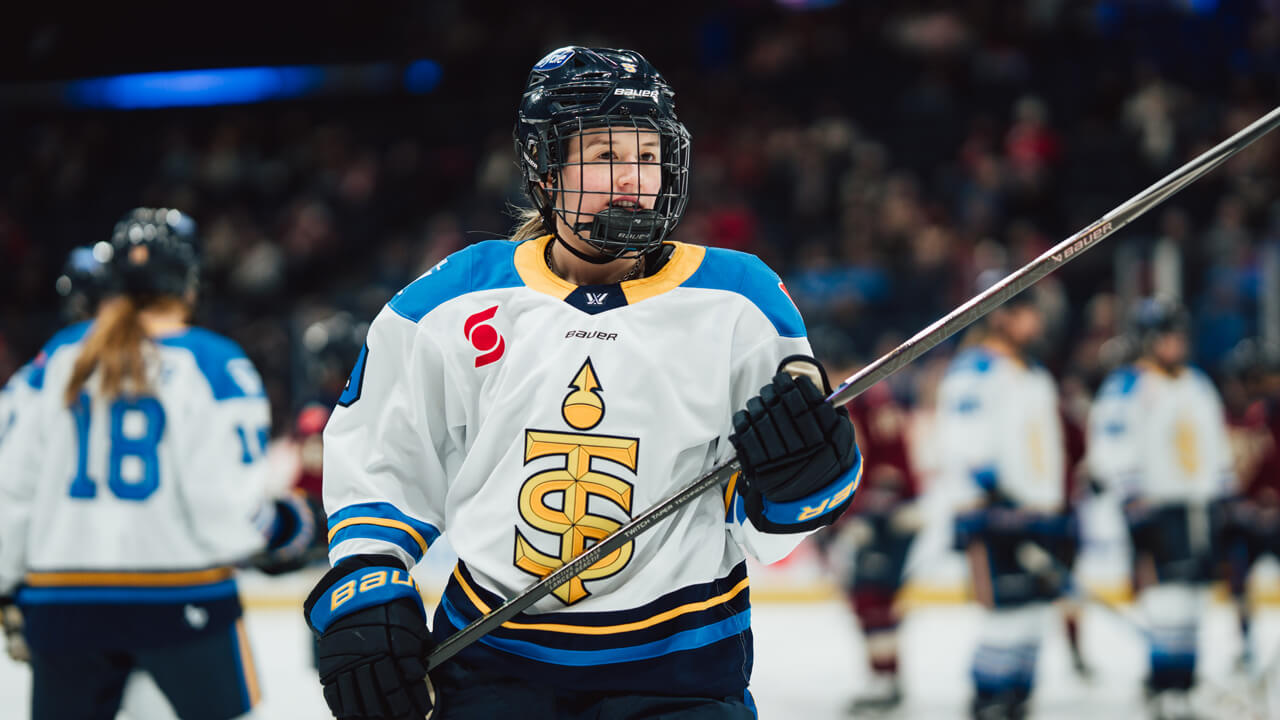
The landscape of professional women’s hockey is undergoing a significant transformation this week as the Professional Women’s Hockey League (PWHL) accelerates its expansion efforts. As the league prepares to debut four new franchises—Hamilton, Detroit, Las Vegas, and San Jose—the movement of talent has become the central focus for general managers and athletes alike. Among the most notable developments is the shift in roster construction, with teams actively securing foundational pieces to build their inaugural identities.
For fans and analysts observing the league’s growth, the expansion process represents a pivotal moment in the PWHL’s history. Following a complex, six-phase strategy designed to populate these new rosters, the league is currently in a phase where general managers have begun the work of signing players. This transition marks the first major off-season overhaul for the league, which has quickly established itself as a premier destination for elite international hockey talent. According to reports from CBC Sports, the expansion process is expected to be franchise-altering for every team involved, as existing clubs navigate the delicate balance of protecting core rosters while new organizations seek to establish immediate competitiveness.
Understanding the Expansion Mechanics
The framework for this expansion is strictly regulated to ensure competitive balance across the league. In the initial phase, which concluded on Wednesday, June 3, 2026, the eight existing PWHL teams were granted the opportunity to protect three players each from their current rosters. To be eligible for protection, players were required to be under contract or have their rights held by their respective teams by 3:00 p.m. ET on that Wednesday.
:strip_exif(true):strip_icc(true):no_upscale(true):quality(65)/cloudfront-us-east-1.images.arcpublishing.com/gmg/JT4AA2IVWZHT7JOHQRUCHKEDH4.jpg "Detroit Signs First Player Professional Women")
This deadline was a critical juncture for the league’s front offices. Players not included on these protection lists—a group that features high-profile talent such as Hilary Knight, Daryl Watts, Kendall Coyne Schofield, Blayre Turnbull, and Brianne Jenner—became available as part of the expansion pool. The ability for these players to determine the length of their new contracts, which can range from one to four years, adds a layer of strategic depth to the signing period. As teams in Detroit and other expansion markets begin their outreach, the flexibility of these contract terms will likely play a significant role in how quickly these new rosters take shape.
Building a Foundation in Detroit
For the new Detroit franchise, the focus is squarely on securing high-caliber athletes who can serve as the pillars of the team’s culture and on-ice performance. The arrival of new talent in Detroit is symbolic of the broader investment in professional women’s hockey in the United States and Canada. By targeting experienced players who have already demonstrated their efficacy in the PWHL, the Detroit organization is signaling an intent to be competitive from their very first shift.

The league has established a structured, six-phase process to ensure that the expansion teams are built with long-term viability in mind. This methodical approach is intended to provide general managers with the necessary tools to navigate the complexities of the free-agent market and the expansion draft requirements. With the initial protection phase now behind them, the focus shifts to the official signing of players, which began later in the week following the submission of protection lists to the league office.
Looking Ahead: The Next Phase of PWHL Growth
As we look toward the remainder of the off-season, the next significant checkpoint for the PWHL involves the continued signing of players by the four new expansion teams. The league is expected to provide further updates on roster compositions as these agreements are finalized. For supporters of the league, this period is essential for understanding how the balance of power will shift as the PWHL grows from eight teams to twelve. The integration of established stars into these new markets is widely viewed as a catalyst for increased fan engagement and the continued professionalization of the sport.

The commitment shown by the league to manage this expansion with such high levels of oversight—including strict deadlines and clear eligibility criteria—reflects the growing maturity of the PWHL. As the league continues to evolve, the ability to successfully integrate new franchises while maintaining the quality of play will be the ultimate measure of this expansion’s success. We will continue to track these signings and provide updates as more information becomes available regarding the rosters for the upcoming season. We invite our readers to join the conversation below and share your thoughts on how these roster moves will impact the competitive landscape of the PWHL.
Worth a look