
In an era defined by shifting geopolitical alliances, the United Arab Emirates (UAE) is increasingly charting a course that prioritizes national economic interests and regional stability over traditional bloc-based alignment. As the Middle East navigates a period of profound volatility, the question of whether the UAE can sustain its pursuit of strategic autonomy has moved from the realm of academic debate to the forefront of international market analysis.
For observers of global markets, the UAE’s trajectory represents a calculated pivot. By leveraging its position as a global trade and logistics hub, Abu Dhabi is actively diversifying its diplomatic and economic portfolio. This movement toward a more independent foreign policy—often described as a quest for strategic autonomy—is designed to insulate the nation from the broader conflicts and proxy tensions that frequently destabilize the wider region. As I have observed over my 18 years covering global economic policy, such maneuvers are rarely without risk, yet they reflect a sophisticated understanding of the modern multipolar landscape.
Economic Diversification as a Diplomatic Tool
The UAE’s ability to maintain a degree of independence is fundamentally anchored in its economic agenda. The nation has aggressively pursued the “We the UAE 2031” vision, a strategic plan aimed at doubling the contribution of the non-oil sector to the national GDP. According to official data from the UAE Ministry of Economy, the country has made significant strides in fostering a business-friendly environment that attracts foreign direct investment (FDI) from both Western and Eastern economies simultaneously. This economic integration creates a “web of interests” that provides the UAE with significant leverage on the international stage.
By positioning itself as a neutral ground for commerce, the UAE minimizes the potential for external geopolitical shifts to disrupt its internal development. This approach is evidenced by the country’s expansion of its Comprehensive Economic Partnership Agreements (CEPAs). These bilateral trade deals, which have been signed with nations ranging from India to Indonesia, demonstrate a clear preference for economic multilateralism over rigid ideological alignment. For businesses operating in the Gulf, this environment offers a unique stability, though it requires constant vigilance regarding the shifting regulatory and sanctions landscape.
Navigating the Regional Security Landscape
While the economic narrative is one of growth, the regional security environment remains a significant variable. The UAE’s pursuit of strategic autonomy involves maintaining open lines of communication with all major regional players, including Iran and Israel. This delicate balancing act, often termed “hedging,” is intended to prevent the UAE from being drawn into the direct line of fire during regional escalations.
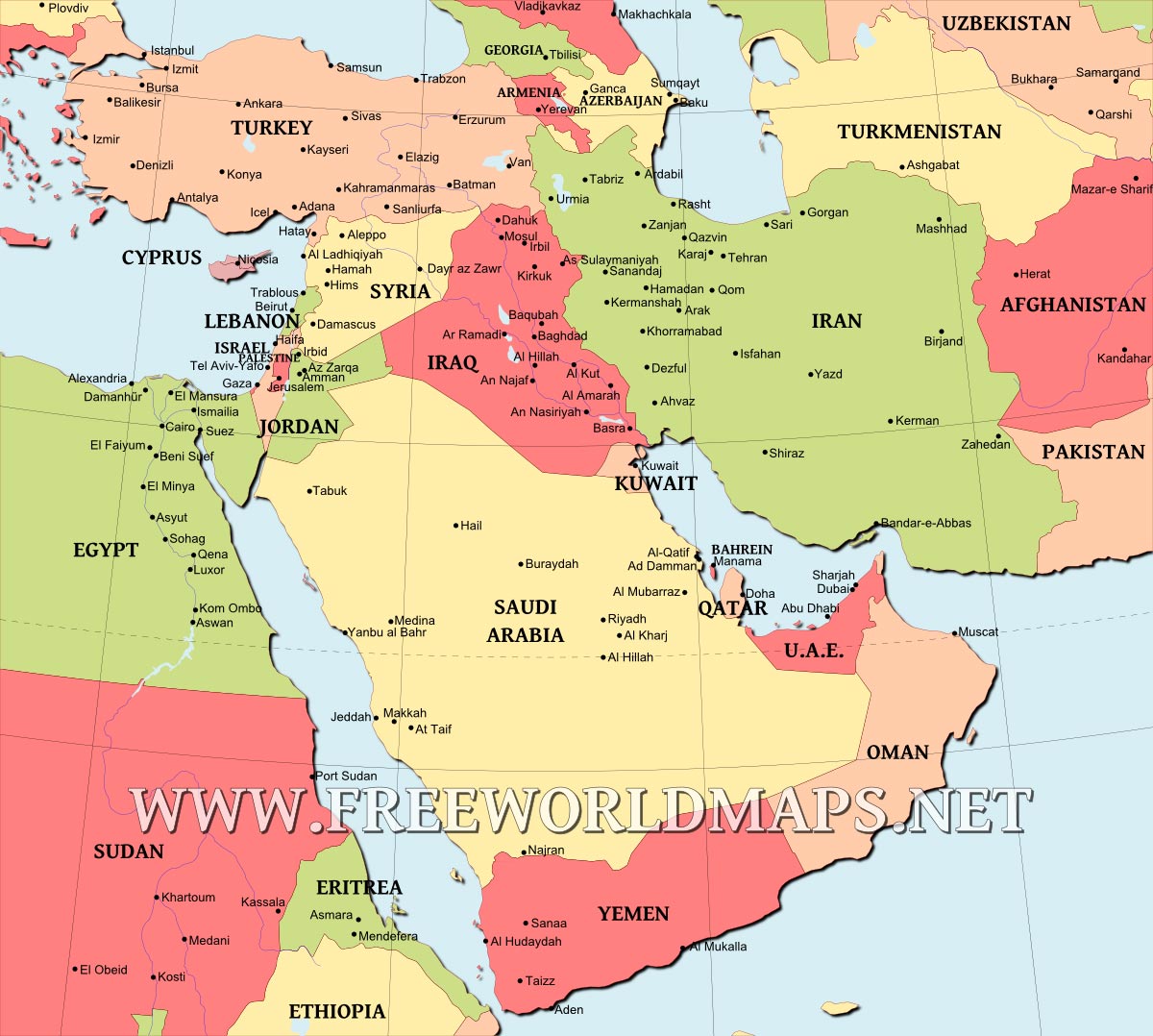
However, the limits of this policy are tested by the ongoing conflicts in the Middle East. The United Nations has frequently highlighted the complexities of humanitarian and security challenges in the region, which inevitably impact the risk profiles of Gulf nations. The UAE’s strategy involves de-escalation; by prioritizing regional stability, Abu Dhabi aims to protect its status as a safe haven for capital and human talent. Whether this “go it alone” approach can withstand prolonged regional upheaval remains the primary concern for institutional investors and political analysts alike.
The Strategic Role of Sovereign Wealth
Central to the UAE’s independent stance is the role of its sovereign wealth funds, most notably the Abu Dhabi Investment Authority (ADIA) and Mubadala. These entities do not merely act as investment vehicles; they are tools of statecraft. By investing in critical technology, energy, and infrastructure sectors globally, the UAE ensures that it remains an indispensable partner to major global powers.
This “financial statecraft” allows the UAE to exert influence where traditional military power might be limited or counterproductive. As noted in recent reports on the Sovereign Wealth Fund Institute, the strategic allocation of capital into emerging technologies—such as artificial intelligence and renewable energy—further cements the UAE’s role as a future-facing economy. This move away from dependence on a single energy commodity is the ultimate expression of the UAE’s desire for autonomy: the ability to define its own economic future, regardless of the fluctuations in global oil markets.
Looking Ahead: What Comes Next
The UAE’s quest for strategic autonomy is a long-term project, not a short-term policy shift. The success of this endeavor will be measured by the nation’s ability to remain a neutral, prosperous hub while the surrounding region remains in flux. Stakeholders should monitor upcoming announcements from the UAE Government Portal regarding the next phase of the “Projects of the 50,” which outlines the country’s economic roadmap for the coming decades.

As the global economy continues to fracture into competing spheres of influence, the UAE’s experiment in autonomy will serve as a critical case study for other middle-power nations. It’s a high-stakes strategy, but one that currently defines the ambition of the Emirates on the world stage. We will continue to track these developments as they unfold; I invite our readers to share their perspectives on whether this path is sustainable in the comments section below.
Related reading