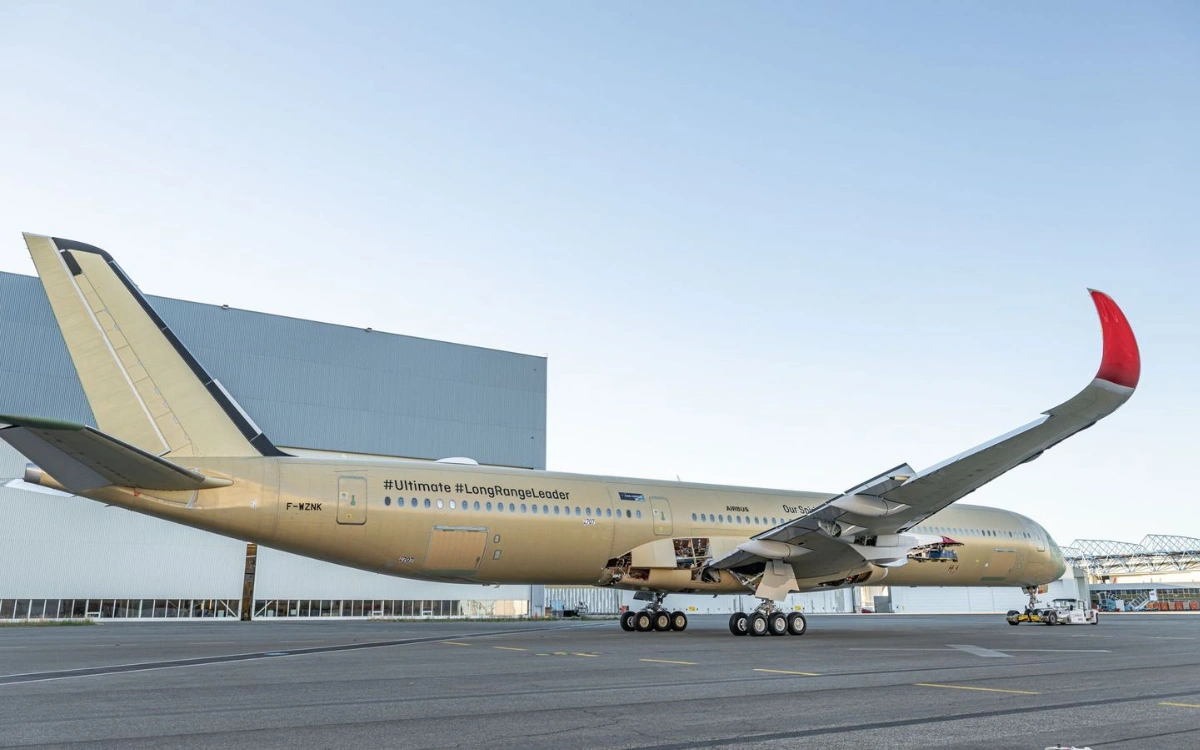
The aviation industry is approaching a significant milestone in ultra-long-haul travel as Qantas moves closer to launching the longest direct flights in the world. Through its ambitious “Project Sunrise” initiative, the Australian carrier is preparing to connect distant global hubs with non-stop journeys that could see passengers spending up to 22 hours in the air.
Central to this operation is the deployment of the Airbus A350-1000ULR, a specialized ultra-long-range variant of the aircraft designed specifically to handle the grueling demands of these distances. The project represents a strategic shift in global connectivity, aiming to eliminate the need for stopovers on some of the world’s most demanding routes.
Recent developments indicate that the project is transitioning from the planning and design phase to physical reality. The first A350-1000ULR destined for Qantas has officially rolled out of the factory, marking a critical step toward the operationalization of the Project Sunrise fleet via travelweekly.com.au.
Engineering the Ultra-Long-Haul Experience
The technical requirements for a 22-hour flight are immense, necessitating advancements in both fuel efficiency and passenger wellness. The Airbus A350-1000ULR is engineered to maximize range without compromising the structural integrity of the aircraft or the safety of the crew and passengers.
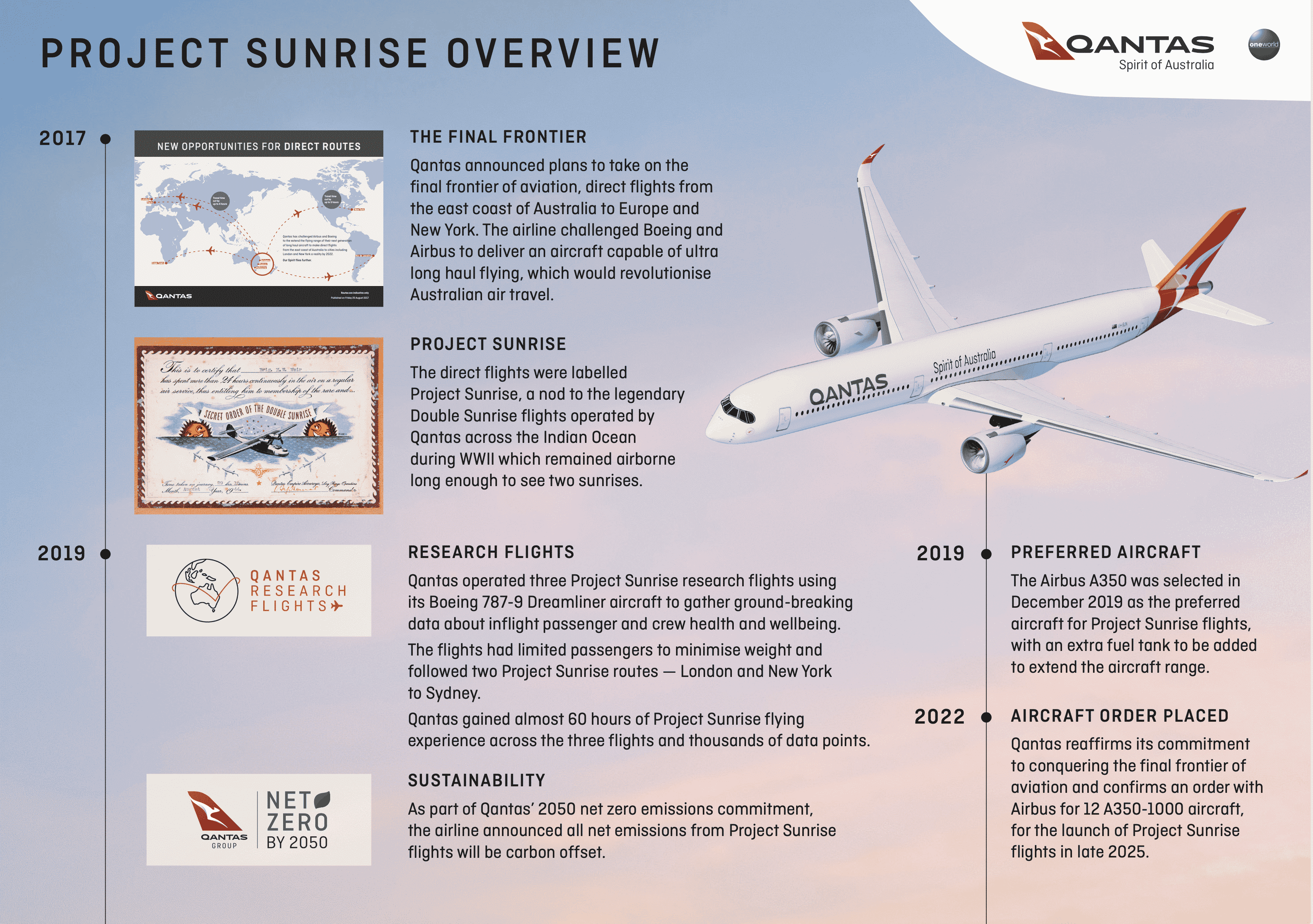
A key milestone in the assembly of these aircraft has been the installation of the engines. Reports confirm that engines have now been fitted to the first A350-1000ULR, bringing the aircraft one step closer to its first flight via Airline Ratings.
Beyond the engines, the “ULR” (Ultra Long Range) designation implies modifications to the fuel capacity and weight optimization to ensure the plane can maintain the necessary thrust and lift over vast stretches of the Pacific and Indian Oceans. This engineering allows Qantas to target flight times that were previously considered impractical for commercial aviation.
The Impact of Project Sunrise on Global Travel
Project Sunrise is not merely about the duration of the flight, but about the economic and psychological impact of non-stop travel. By removing the need for a mid-journey layover, Qantas aims to reduce total travel time and the associated fatigue of transferring aircraft, which is a significant pain point for business and leisure travelers moving between Australia and the Americas or Europe.
The logistical challenge of keeping passengers comfortable for nearly a full day in a pressurized cabin is substantial. While specific cabin configurations are often kept under wraps until closer to launch, the focus remains on mitigating the effects of jet lag and deep vein thrombosis (DVT) through enhanced seating and wellness protocols.
As the airline provides updates on the A350-1000ULR, the industry is watching closely to see how these flights will affect the competitive landscape of long-haul aviation via MSN.
Key Takeaways for Travelers and Stakeholders
- Aircraft: Qantas is utilizing the Airbus A350-1000ULR for its ultra-long-haul strategy.
- Flight Duration: Some direct flights are expected to reach durations of up to 22 hours.
- Current Status: The first aircraft has rolled out of the factory and engines have been fitted.
- Objective: To eliminate stopovers on the world’s longest direct routes.
The next phase for Qantas involves the delivery and testing of these aircraft before they enter commercial service. Further official updates regarding the specific route schedules and ticket availability are expected as the fleet is integrated into the airline’s network.
We invite our readers to share their thoughts on ultra-long-haul travel in the comments below. Would you trade a layover for a 22-hour non-stop flight?
Worth a look