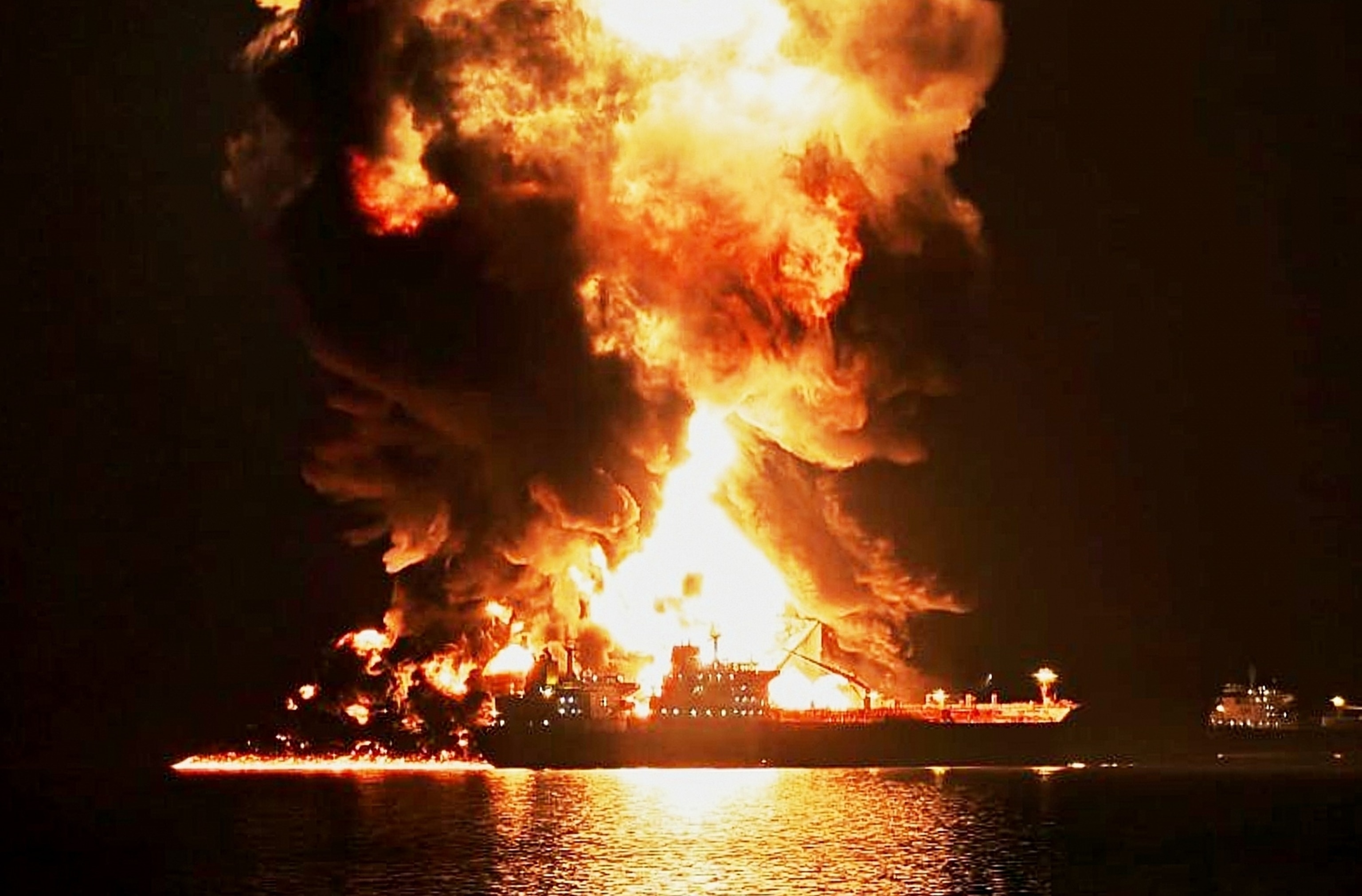
Maritime security in the Strait of Hormuz faces renewed scrutiny following reports of a fire aboard a Qatari-owned liquefied natural gas (LNG) tanker in the vicinity of the critical shipping chokepoint. While the exact cause of the incident remains under investigation by international maritime authorities, the event has triggered immediate concern regarding the safety of energy corridors that facilitate a significant portion of the world’s daily oil and gas transit.
The Strait of Hormuz, a narrow waterway separating Iran and Oman, serves as the primary artery for global energy markets. According to data from the U.S. Energy Information Administration (EIA), roughly 21 million barrels of petroleum liquids per day pass through the strait, representing about 21% of global petroleum consumption. Any disruption to traffic in this region, particularly involving vessels carrying high-value energy cargo like LNG, carries immediate implications for global commodity prices and shipping insurance premiums.
Maritime Security and Energy Transit Risks
The incident highlights the persistent vulnerability of commercial shipping in the Persian Gulf. Commercial vessels operating in the region have increasingly faced challenges ranging from state-backed interdictions to regional proxy conflicts. The U.S. Maritime Administration (MARAD) has consistently issued advisories to commercial vessels operating in the Middle East, citing the potential for miscalculation or direct targeting during periods of heightened geopolitical tension.

For an LNG tanker, the risks are multifaceted. Unlike crude oil, which is transported at atmospheric pressure, LNG is super-cooled to approximately -162°C (-260°F) to remain in a liquid state. This requires specialized containment systems that, while robust, are subject to stringent safety protocols. The International Maritime Organization (IMO) maintains rigorous standards under the International Code for the Construction and Equipment of Ships carrying Liquefied Gases in Bulk (IGC Code) to ensure that such vessels can withstand significant structural stress, yet any fire at sea presents a complex emergency for the vessel’s crew and nearby emergency response assets.
Regional Geopolitics and Shipping Infrastructure
The Strait of Hormuz remains a focal point for regional powers, particularly given the proximity of Iranian territorial waters and the frequent presence of naval assets from multiple nations. The U.S. Central Command (CENTCOM) frequently monitors maritime activity in the region to ensure the freedom of navigation and the flow of commerce. Historically, incidents in this waterway have been used as leverage in broader diplomatic disputes, making the identification of the cause of this recent fire a matter of international concern rather than a simple maritime accident.
Market analysts are currently observing how this event influences the “war risk” premiums charged by marine insurers. According to the Lloyd’s Market Association, underwriters adjust these premiums based on the perceived threat level in specific geographic zones. An increase in such costs, if sustained, eventually filters down to the final consumer price of energy products, particularly in markets heavily dependent on Qatari exports, such as Japan, South Korea, and parts of Europe.
Monitoring Official Updates and Vessel Safety
As of this writing, official confirmation regarding the status of the crew and the extent of the damage to the tanker has not been fully disclosed by the vessel’s operators. Stakeholders and industry participants are advised to monitor official channels, including the United Kingdom Maritime Trade Operations (UKMTO), which serves as the primary point of contact for merchant vessels in the region to report suspicious activity or emergencies.

The next phase of this situation will likely involve a formal inquiry by the flag state of the vessel—the nation where the ship is registered—in coordination with regional authorities to determine whether the fire was the result of mechanical failure, an onboard accident, or external interference. Updates regarding the vessel’s condition and any subsequent changes to maritime security advisories will be published by the UKMTO and relevant international shipping bureaus as they become available. We will continue to track these developments as more verified information emerges from official investigative reports.
Have you observed shifts in regional shipping logistics or insurance costs related to this incident? We invite our readers to share their insights in the comments section below, or follow our business desk for ongoing coverage of global energy markets.